Unpacking the significance behind PETROCI holding’s historic double victory
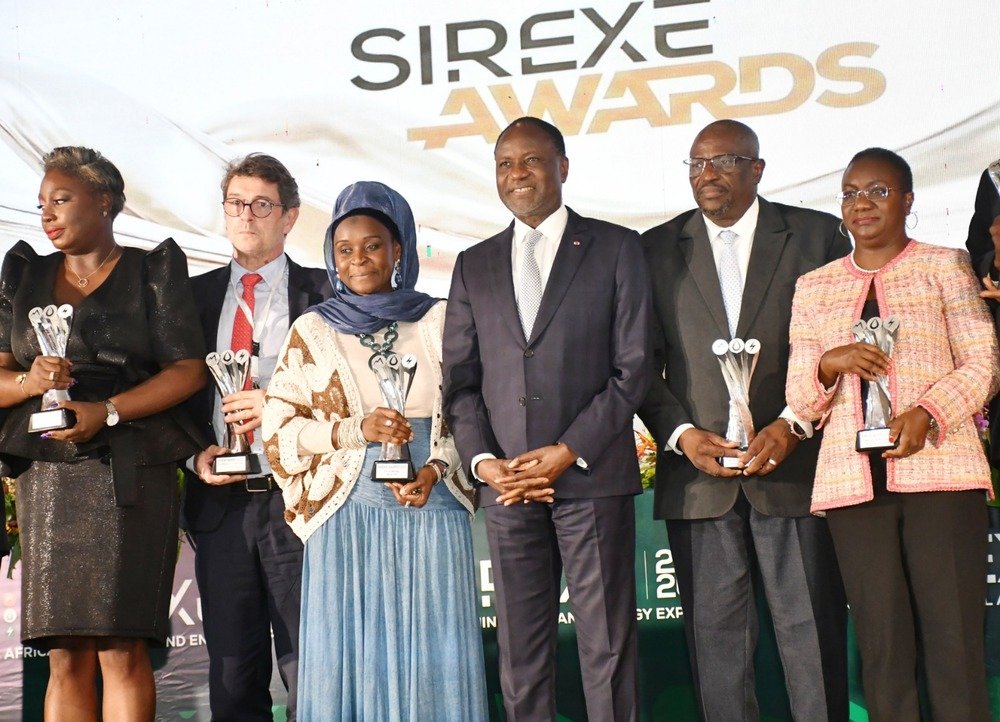
When the first edition of the SIREXE Awards took place on November 21, 2026, alongside the International Salon of Extractive and Energy Resources, it marked more than just an awards ceremony—it signaled a pivotal moment in Africa’s evolving energy landscape. PETROCI Holding did not merely walk away with two accolades; the victories exposed underlying currents reshaping the continent’s hydrocarbons and mining sectors.
The Baleine Project, a collaboration between ENI and PETROCI, clinched the Best Hydrocarbons Project award, a distinction that transcends its technical achievement. This recognition underscored how the project is reinforcing Côte d’Ivoire’s energy independence while setting a new benchmark for cross-border partnerships in resource extraction.
Simultaneously, the award for Best Manager bestowed upon Fatoumata Sanogo, PETROCI Holding’s CEO, highlighted the human dimension driving these sectoral transformations. Her leadership was celebrated not just for steering the company through uncharted waters but for embedding sustainability at the core of its operations—a rarity in an industry often criticized for short-term gains.
Why this double win is a reflection of deeper industry dynamics
The awards ceremony, attended by top political and industrial figures including Côte d’Ivoire’s Minister of Mines, Petroleum, and Energy, Mamadou Sangafowa-Coulibaly, was more than a gala event. It served as a microcosm of the continent’s energy evolution, where innovation, leadership, and sustainability are no longer optional but essential for survival and growth.
The Baleine Project’s success story is particularly telling. By leveraging advanced extraction techniques and fostering equitable partnerships, it has demonstrated that African nations can reclaim control over their natural resources without sacrificing efficiency or environmental integrity. This project is now being studied as a case model for other resource-rich countries grappling with the dual pressures of development and conservation.
Fatoumata Sanogo’s recognition, on the other hand, shines a spotlight on the critical role of leadership in navigating the complex interplay between profitability, environmental stewardship, and social responsibility. Her vision has positioned PETROCI not just as a corporate entity but as a catalyst for systemic change within the energy sector.
What these awards mean for the future of Africa’s energy independence
The double victory at the SIREXE Awards is a clear indicator that Africa is entering a new phase of energy sovereignty. The Baleine Project’s award validates the continent’s ability to develop world-class hydrocarbon projects that align with global standards while prioritizing local interests. Meanwhile, Sanogo’s accolade reinforces the idea that sustainable leadership is the cornerstone of long-term success in this sector.
These awards also send a powerful message to international investors: Africa is no longer a passive player in the global energy market. The continent is actively shaping its destiny, and companies like PETROCI are leading the charge by demonstrating that profitability and sustainability can—and must—go hand in hand.
Breaking down the awards: what set PETROCI holding apart
The Best Hydrocarbons Project award for the Baleine Project was not handed out lightly. The jury evaluated the project based on several critical criteria:
- Innovation in extraction techniques: The project introduced cutting-edge methods that minimized environmental impact while maximizing output.
- Partnership model: The collaboration between ENI and PETROCI set a new standard for how international and local entities can work together to achieve mutual benefits.
- Contribution to national energy security: The project significantly boosted Côte d’Ivoire’s domestic production, reducing reliance on imports and stabilizing the energy supply.
The Best Manager award for Fatoumata Sanogo was equally well-deserved. Her leadership was judged on:
- Strategic vision: Sanogo’s ability to align PETROCI’s goals with broader national and continental energy policies was pivotal.
- Commitment to sustainability: Under her guidance, PETROCI has integrated environmental and social governance (ESG) principles into its core operations.
- Empowerment of teams: Her leadership style fosters innovation and accountability, creating a culture of excellence within the organization.
The ripple effect: how these awards could redefine industry standards
The recognition bestowed upon PETROCI Holding is likely to have far-reaching consequences. For starters, it could inspire other African nations to reevaluate their strategies for managing natural resources. The Baleine Project’s success proves that with the right partnerships and leadership, resource-rich countries can achieve both economic growth and environmental responsibility.
Sanogo’s award, meanwhile, could encourage more women to pursue leadership roles in the energy sector, which has long been dominated by men. Her achievement sends a clear message: gender diversity in leadership is not just a moral imperative but a strategic advantage.
Additionally, the awards could prompt international organizations and investors to rethink their approach to funding energy projects in Africa. The focus may shift from purely profit-driven ventures to those that prioritize sustainability, local ownership, and long-term impact.
Looking ahead: what’s next for PETROCI holding and Africa’s energy sector
PETROCI Holding’s double win at the SIREXE Awards is more than a feather in its cap—it’s a testament to the company’s role as a trailblazer in Africa’s energy future. As the continent continues to grapple with the challenges of climate change, economic development, and energy security, PETROCI’s achievements offer a roadmap for others to follow.
The Baleine Project is expected to serve as a blueprint for similar initiatives across the continent, while Sanogo’s leadership is likely to inspire a new generation of energy leaders. For Africa, the message is clear: the future of energy is not just about what lies beneath the ground but about how those resources are managed, shared, and sustained for generations to come.