Togo: Marguerite Gnakadé’s hunger strike exposes regime contradictions
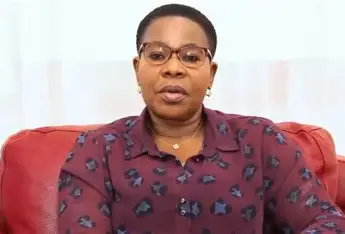
In a bold and unprecedented move, an erstwhile key figure of Togo’s political establishment has resorted to a hunger strike from her prison cell, drawing global attention to her case and the broader concerns surrounding justice and human rights in the country. Marguerite Gnakadé, once a powerful figure within the regime and the first woman to serve as Minister of Defense, has been detained for nearly eleven months—a period that has culminated in her drastic decision to protest the conditions she describes as inhumane. From pillar to pariah: The fall…

Read More

Burkina Faso’s self-justification strategy amid RSF allegations

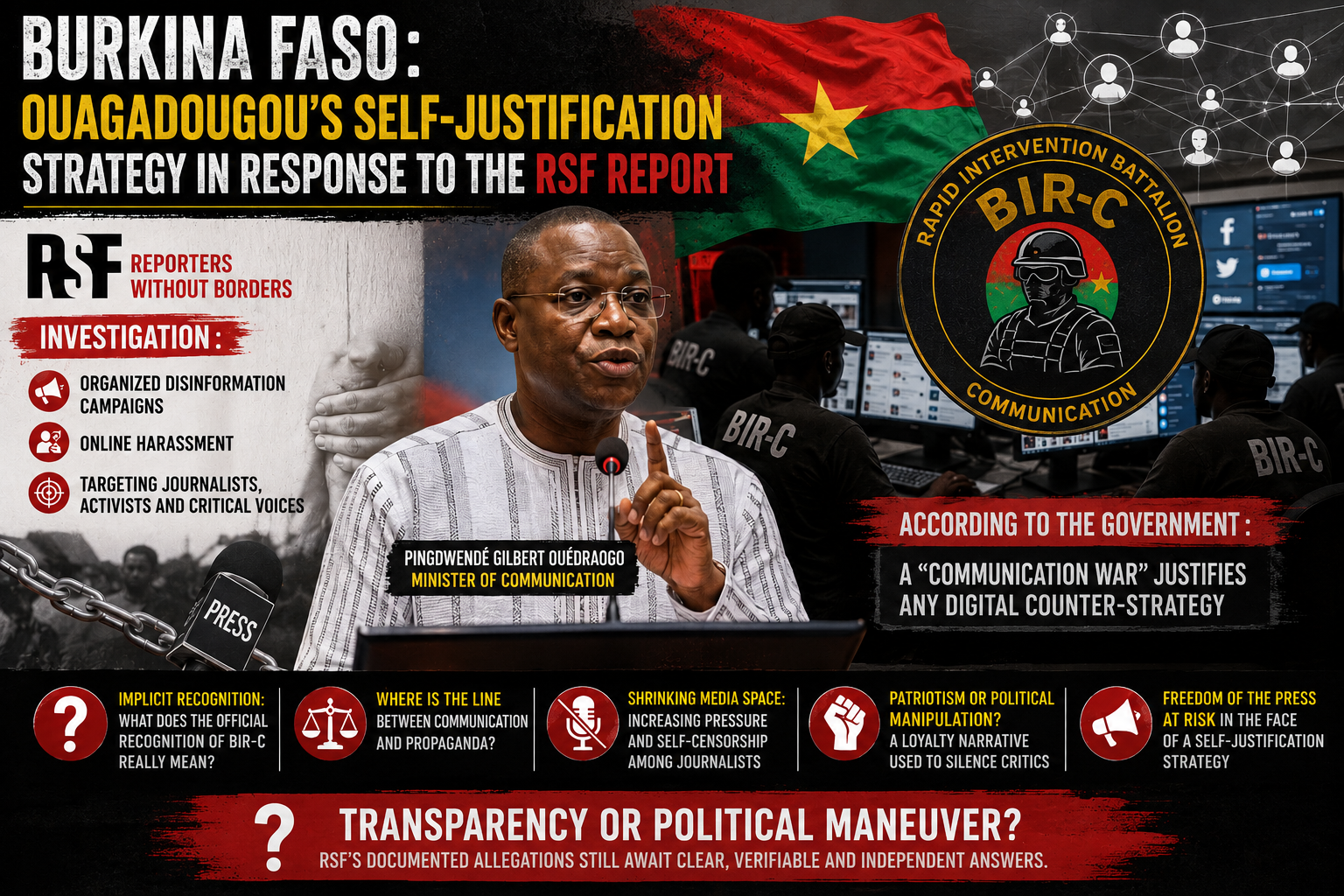
In a move that once again underscores a pattern of defensive rhetoric rather than transparent accountability, Burkinabè authorities have chosen to respond to criticism with justification rather than clarity. During a public address at the flag-raising ceremony on August 3, Communication Minister Pingdwendé Gilbert Ouédraogo paid tribute to the Rapid Intervention Battalion – Communication (BIR-C), portraying it as a safeguard for Burkina Faso’s information landscape. Yet, this public endorsement raises more questions than it answers, particularly as it coincides with a report from Reporters Without Borders (RSF) detailing a coordinated…

Read More

Benin: presidential clemency redefines justice

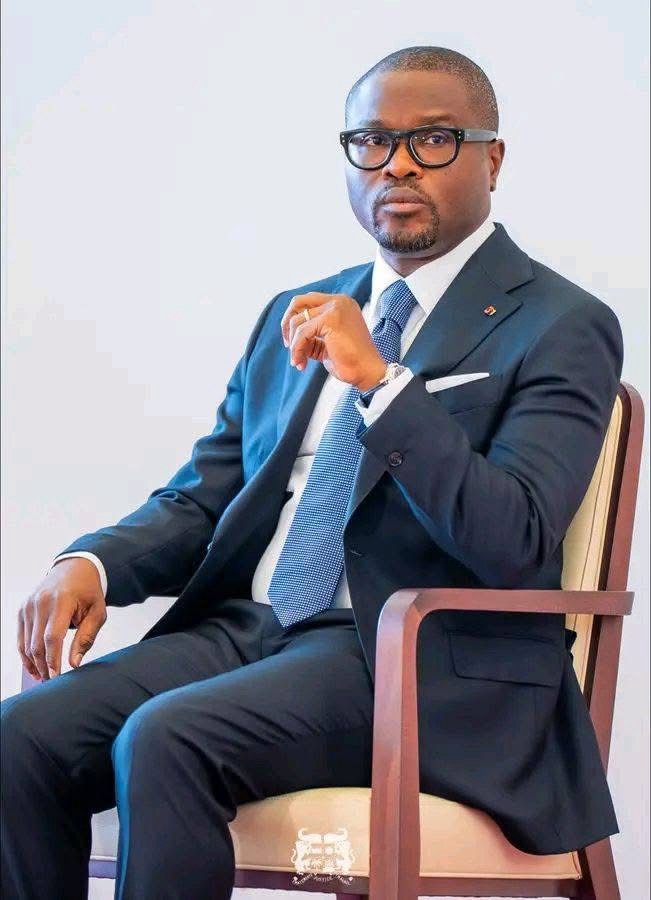
President Romuald Wadagni’s decision to grant freedom to an individual condemned to two centuries of incarceration transcends a mere act of grace. It powerfully signals the direction of his nascent administration: a justice system that remains resolute against offenses yet possesses the capacity to incorporate human considerations when circumstances warrant. Beyond a simple presidential decree, this move ignites a profound discussion regarding the ultimate purpose of punishment, the potential for reintegration, and the state’s role in the rehabilitation of individuals. The extraordinary calculus of a life reclaimed On paper, Donouvossi…

Read More

Niger faces mounting security crisis as attacks escalate

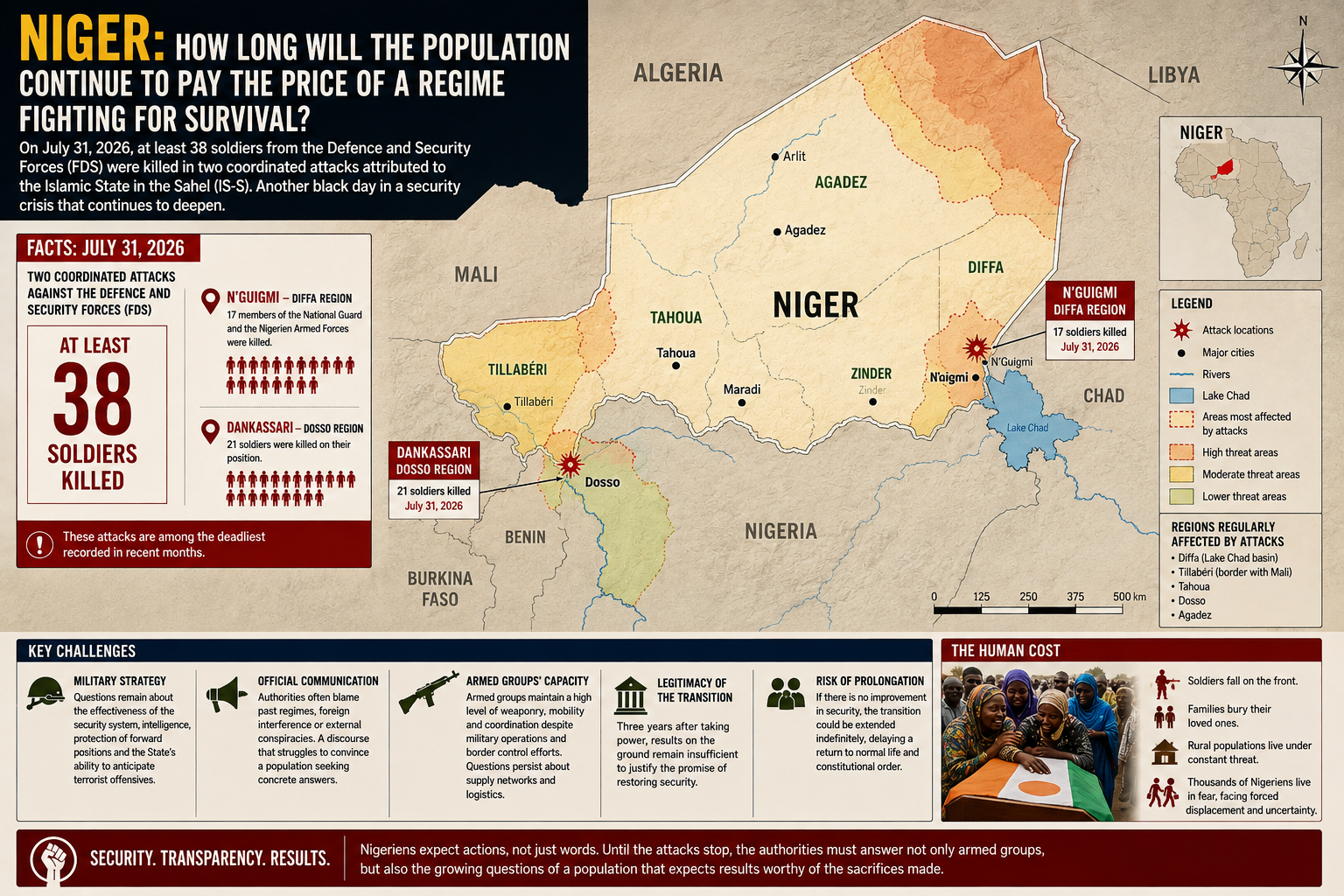
Deadly assaults expose fragility of Niger’s defense amid escalating violence The final day of July 2026 marked another tragic chapter in Niger’s worsening security crisis. At least 38 members of the Forces de défense et de sécurité (FDS) were killed in two coordinated assaults attributed to the Islamic State in the Sahel (EI-S). In N’Guigmi, situated in the Diffa region, 17 soldiers from the National Guard and Nigerien Armed Forces perished in the initial strike. Hours later, 21 more military personnel lost their lives at their outpost in Dankassari, Dosso…

Read More

Authoritarian power turns on its own supporters in Burkina Faso

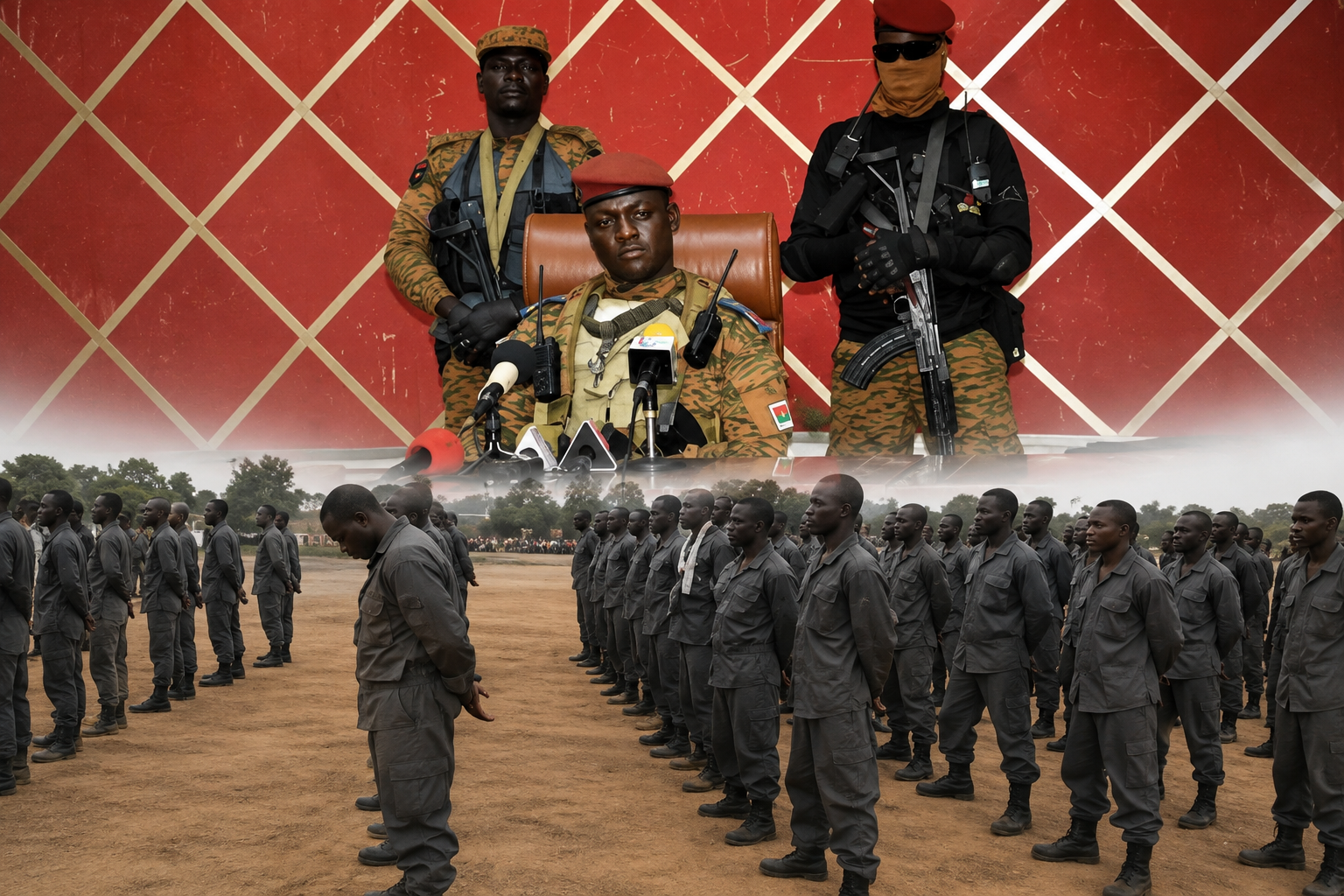
The history of authoritarian rule is filled with a paradox as old as power itself: the very tools of repression designed to silence opponents eventually turn against those who once wielded them. Burkina Faso is now witnessing this pattern under Captain Ibrahim Traoré’s leadership. Over time, arbitrary arrests, enforced disappearances reported by human rights groups, smear campaigns, intimidating summons, media restrictions, and forced requisitions of citizens under the guise of national defense are no longer confined to traditional critics. Now, even Muslim community leaders, civil society activists, commentators, influencers, and…

Read More

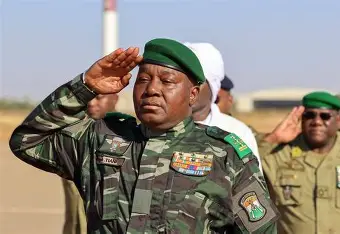
Niger’s governance under Tiani: three years of deepening crises

Three years after the coup: promises unfulfilled, challenges mounting On July 26, 2023, General Abdourahamane Tiani led a military takeover in Niger, citing an unmanageable security crisis as justification for deposing President Mohamed Bazoum. Since then, the situation has only deteriorated further. Security remains elusive, the economy is faltering, diplomatic relations have weakened significantly, and the state’s financial leeway has shrunk. An examination of key indicators reveals a nation trapped in a spiral of interlinked crises. Security promises remain unmet The coup was framed as a necessary intervention to restore…

Read More

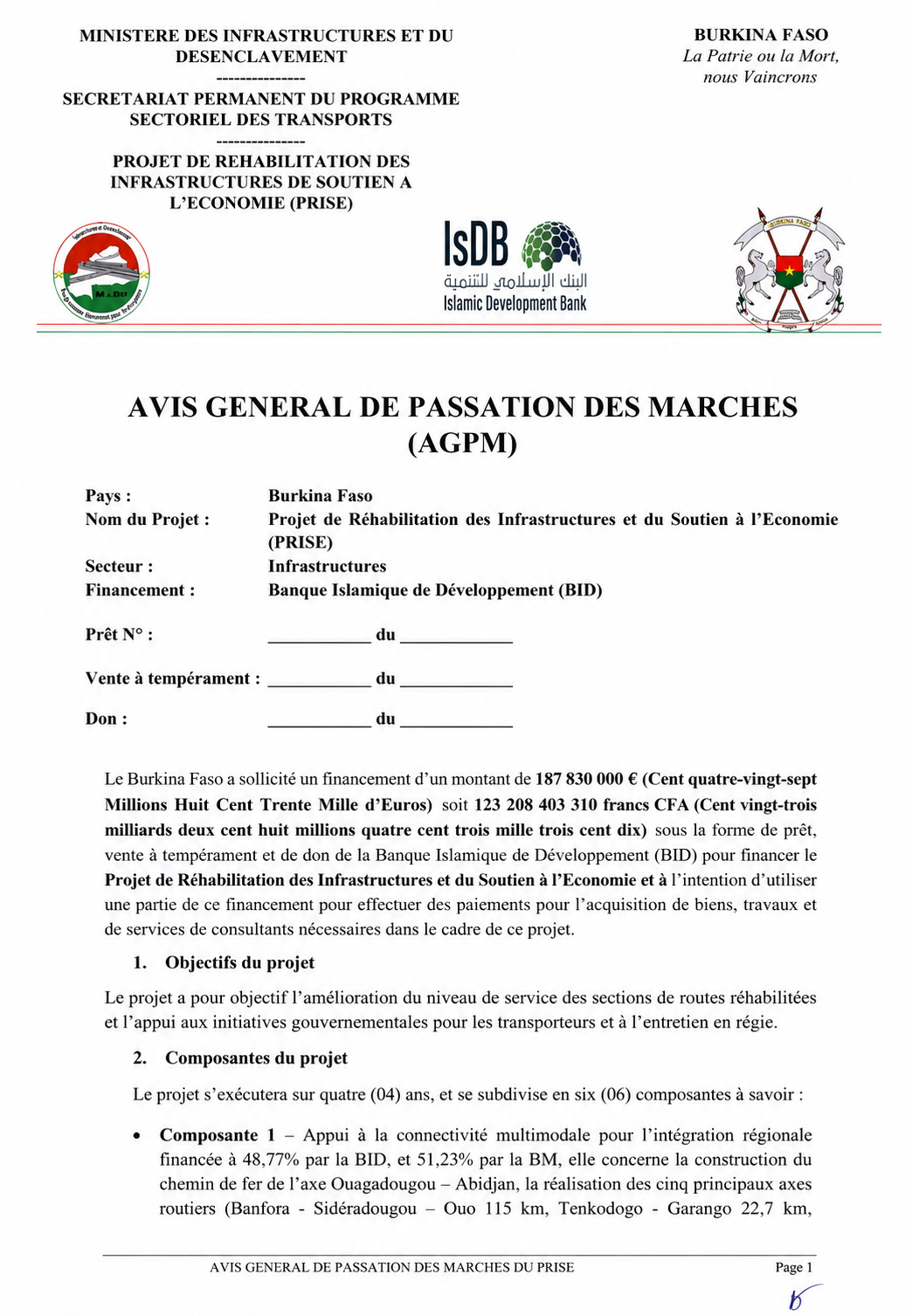
The mirage of financial autonomy in Burkina Faso: debt and the limits of self-financing

In Ouagadougou, the military-led government under Captain Ibrahim Traoré has adopted a bold mantra to signal its economic ambitions: “Y’a pas crédit dedans”—a phrase that has echoed across social media and pro-regime platforms. The message is clear: major infrastructure projects, from road rehabilitation to state modernization, are being funded entirely through domestic resources, free from reliance on foreign debt. This narrative of financial independence resonates strongly with a population weary of external influence. Yet beneath the slogan lies a more nuanced—and troubling—reality. From Slogan to Fiscal Reality The pursuit of…

Read More

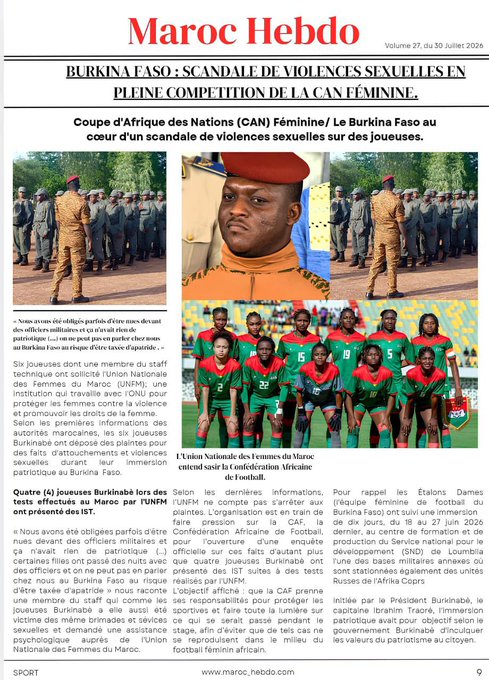
Burkina Faso faces scrutiny over military-run training camps

The patriotic immersion program that sparked serious allegations What was touted as a nation-building initiative for Burkina Faso’s female football team has instead become a source of grave concern. Players and technical staff members claim they endured sexual violence during a so-called patriotic immersion stage held at a military camp. According to a complaint filed in Morocco, six athletes and one staff member allege they were subjected to abuses by military officers, raising troubling questions about the boundaries between military authority and civilian protection in the current political climate. The…

Read More

Breaking cryptographic algorithms: claude’s findings on hawk and AES

On July 28, 2026, Anthropic’s Frontier Red Team published a research note titled “discovering cryptographic weaknesses with Claude”. The findings, derived from an internal preview of Mythos not yet available to the public, focus on two security algorithms: HAWK, a post-quantum digital signature scheme, and a reduced version of AES, commonly used in academic research to test cryptographic robustness. Anthropic emphasizes that neither discovery poses a threat to current computing systems. However, the implications—while far from catastrophic—are not negligible, contrary to what some headlines might suggest. Post-quantum falcon: HAWK’s brief…

Read More

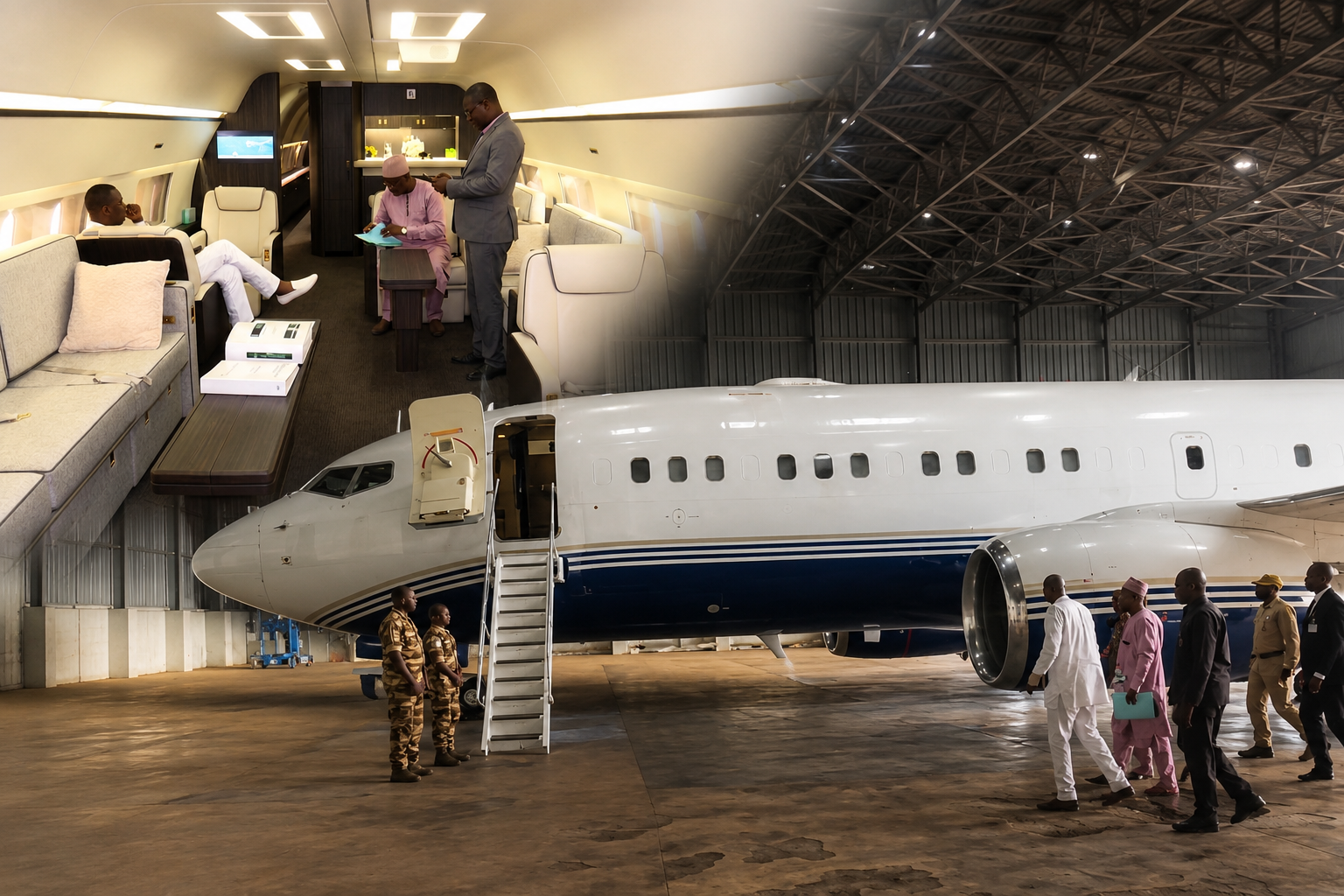
Mali’s new presidential jet sparks debate amid security and economic challenges

The unveiling of Mali’s newly acquired Boeing 737 presidential aircraft on state television has ignited a fierce debate about the government’s priorities, particularly as the nation grapples with deepening security crises and economic strain. Authorities justified the purchase by highlighting financial prudence, claiming that after insurance compensations and the resale of components from the previous aircraft, the net cost would amount to approximately six billion West African francs rather than the gross expenditure of 15.6 billion. Timing draws sharp criticism The timing of the announcement has drawn widespread criticism. While…

Read More

Niger Benin border closure: a political tool with heavy consequences

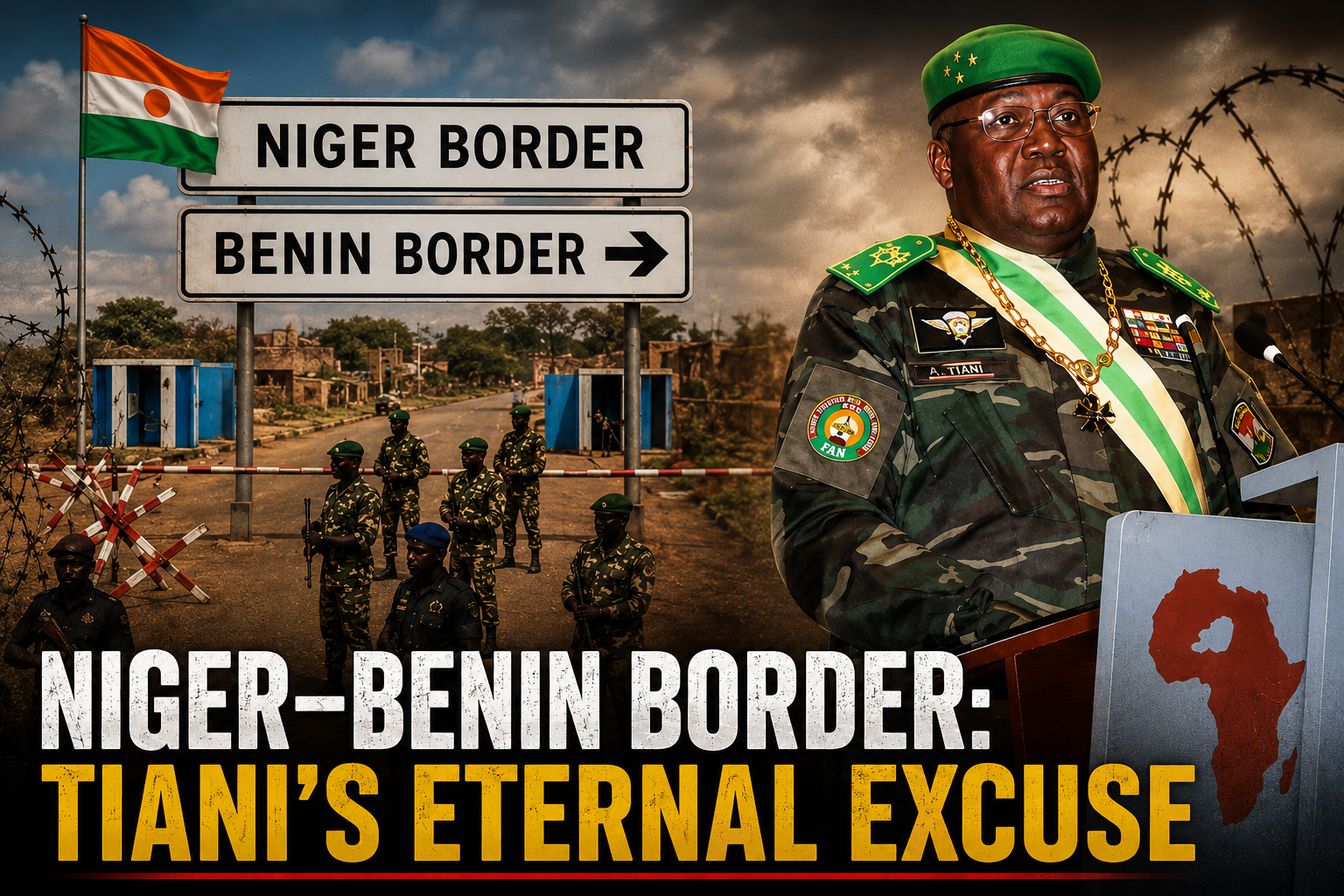
The diplomatic efforts between Niger and Benin, which had initially raised hopes for a swift resolution to the border crisis, have encountered an unexpected obstacle. Nearly two months after Beninese President Romuald Wadagni’s visit to Niamey and a month following expert-level discussions between both nations, the possibility of a gradual reopening of the border seemed within reach. However, on July 26, during a national address marking the first anniversary of his rise to power, General Abdourahamane Tiani delivered a decisive statement. Appearing on the national broadcaster ORTN, he declared, ‘Certain…

Read More

Niger’s diplomatic shift: symbolism vs. security reality

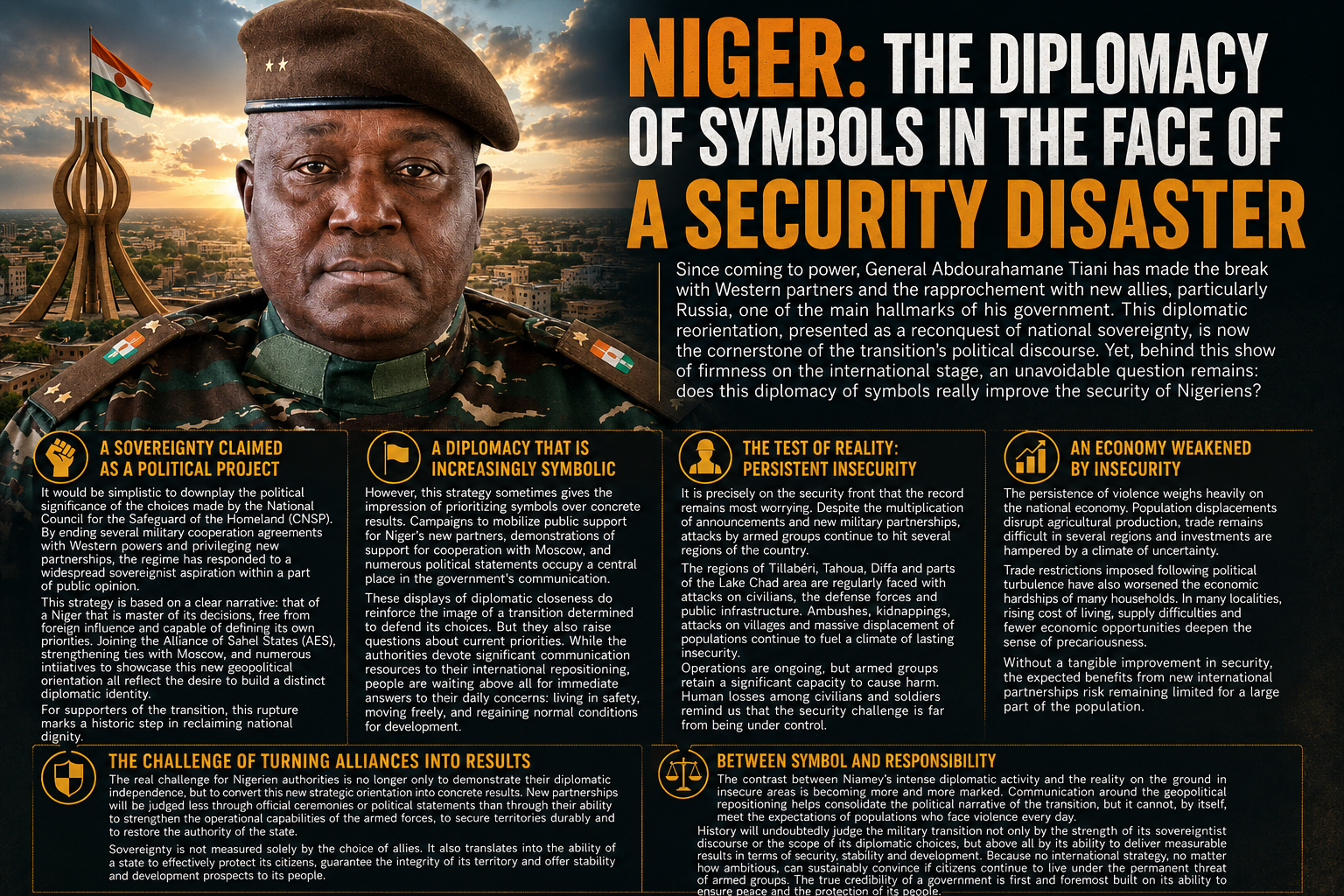
The administration led by General Abdourahamane Tiani has positioned the abandonment of Western partnerships and the cultivation of new alliances—particularly with Russia—as central pillars of its governance strategy. This diplomatic reorientation, framed as a reclaiming of national sovereignty, now underpins the official narrative of the transitional government. Yet beneath the outward display of resolve on the international stage, a critical question persists: does this symbolic diplomacy genuinely enhance the security of Niger’s citizens? Sovereignty as a political project The decisions taken by the National Council for the Safeguarding of the…

Read More