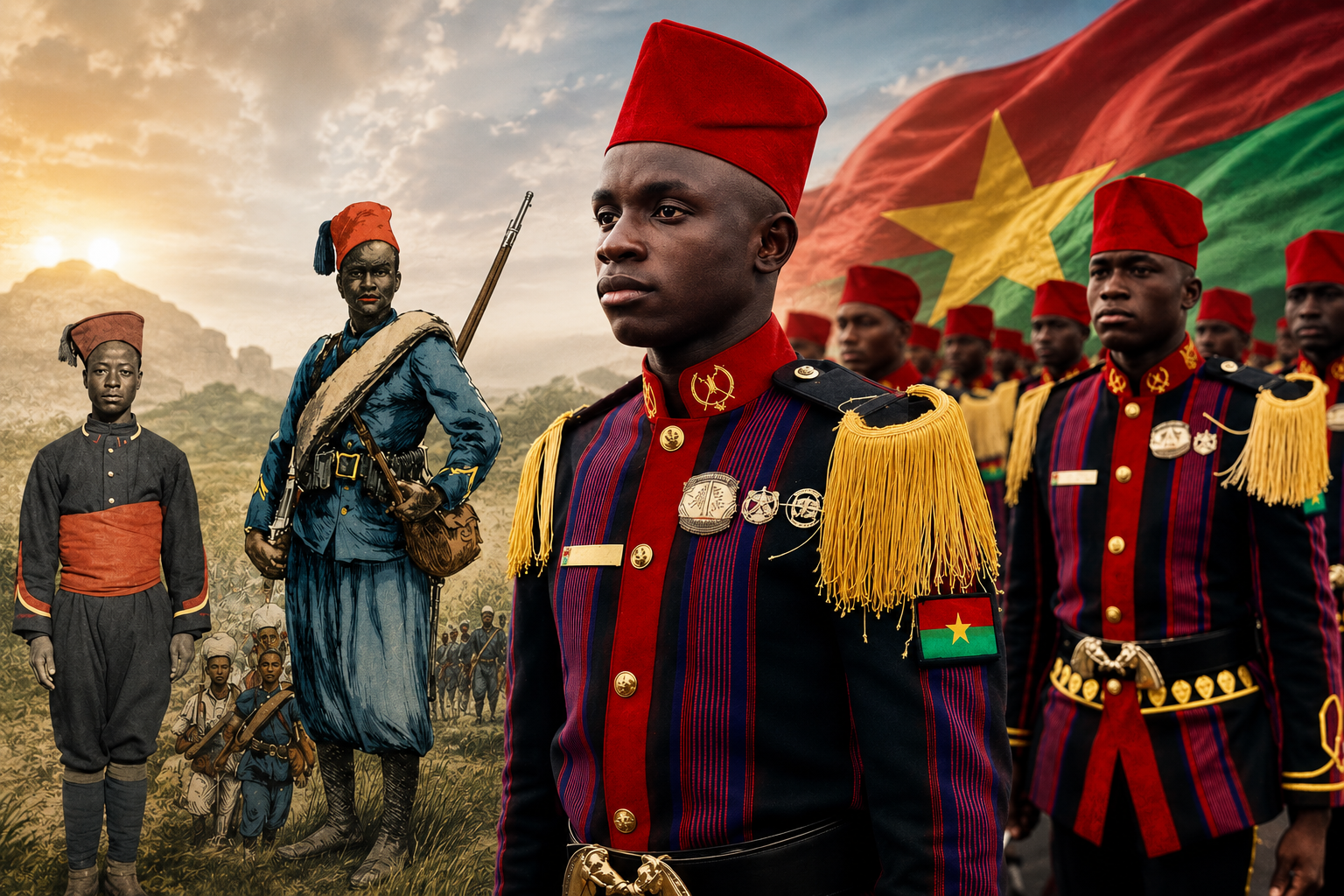
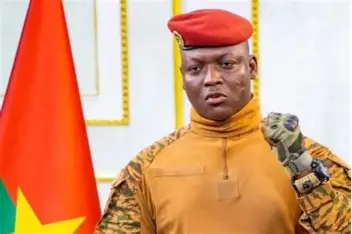
The line separating political posturing from ground reality in Burkina Faso grows thinner by the day. A case in point is the military junta’s recent decree establishing a “memory attire” for national commemorations tied to decolonization milestones. Marketed as a triumphant assertion of regained sovereignty and national pride, the move is part of a broader campaign to revive cultural identity markers. Yet it also reignites a pressing question: in the face of an unprecedented security crisis, what should a state prioritize? the sovereignist gamble It would be shortsighted to dismiss…
Read MoreCategory: Analysis
Bénin steps up enforcement against smig violations
Despite the official establishment of the Interprofessional Guaranteed Minimum Wage (SMIG) at 52,000 FCFA, numerous enterprises in Bénin persist in compensating their workforce below this legally mandated threshold. In response, the government has adopted a firm stance, urging employees to report violations to the National Social Security Fund (CNSS) while emphasizing that non-compliant employers will face severe penalties. a widespread issue despite legal provisions The problem remains far from isolated. Although the SMIG was recently increased to 52,000 FCFA to enhance the purchasing power of low-income workers, many employees—particularly in…
Read MoreBurkina Faso’s digital suppression of dissent under Traoré
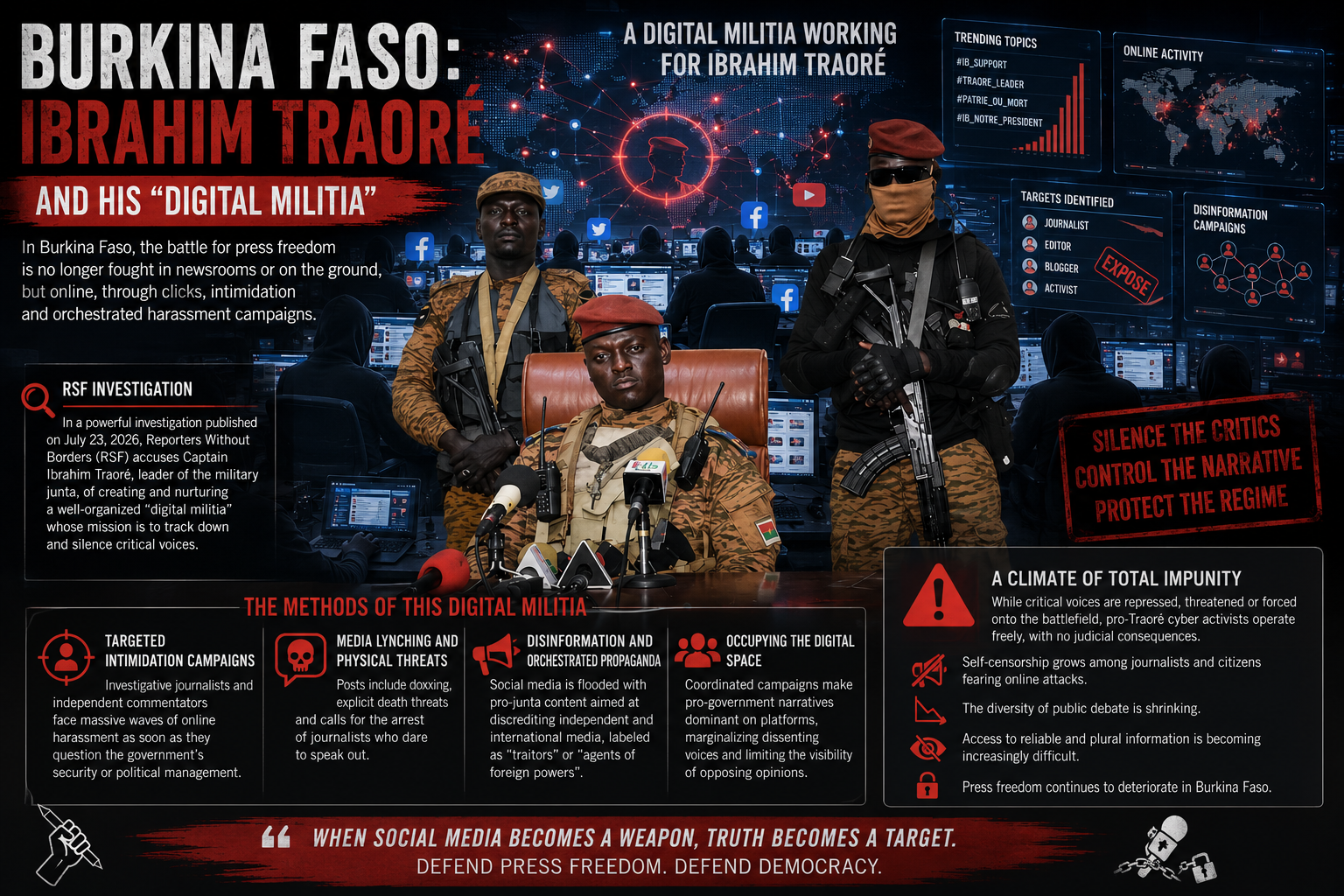
In Burkina Faso, the struggle for press freedom has shifted from newsrooms and streets to the digital realm, where repression now unfolds through orchestrated online campaigns and targeted harassment. An in-depth investigation reveals the role of Captain Ibrahim Traoré, the military junta leader, in fostering a coordinated network of cyberactivists tasked with silencing critical voices. This operation, disguised under the name Bataillons d’Intervention Rapide de la Communication (BIR-C), mirrors the tactics of military units but operates within the digital sphere. The BIR-C: A shadow network silencing dissent The BIR-C functions…
Read MoreGold mining accountability struggles in Cameroon and dr Congo
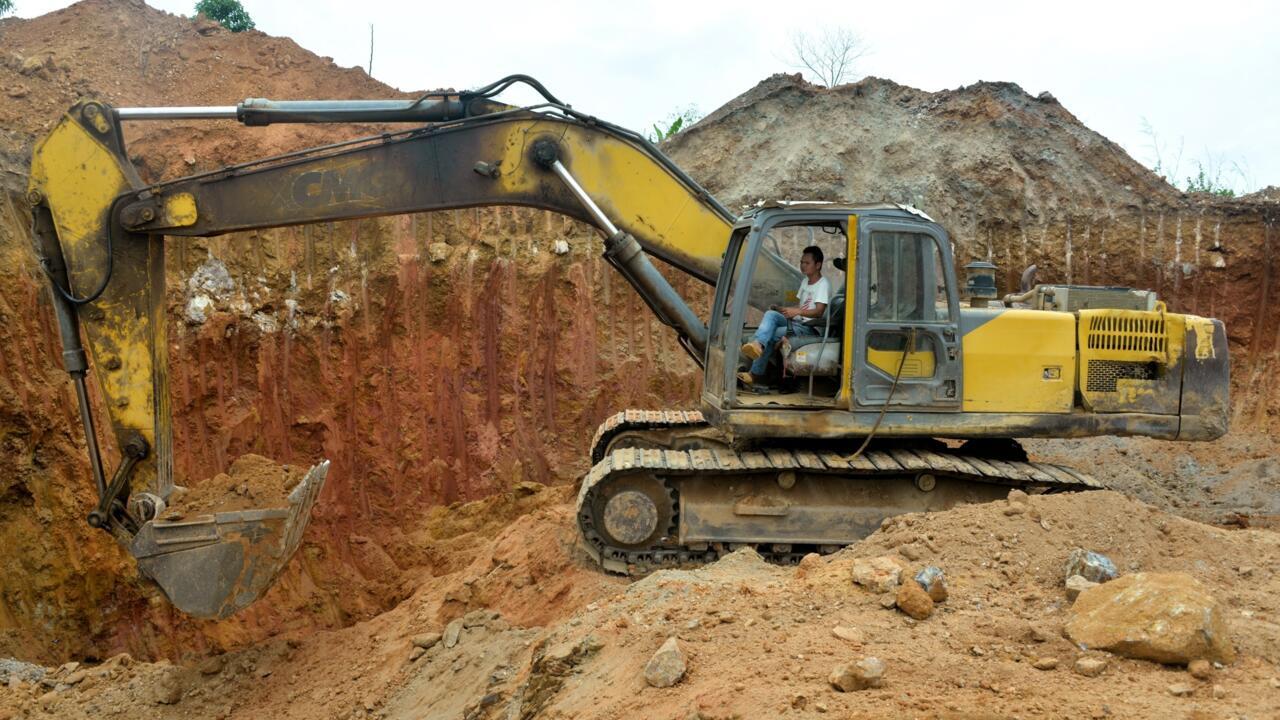
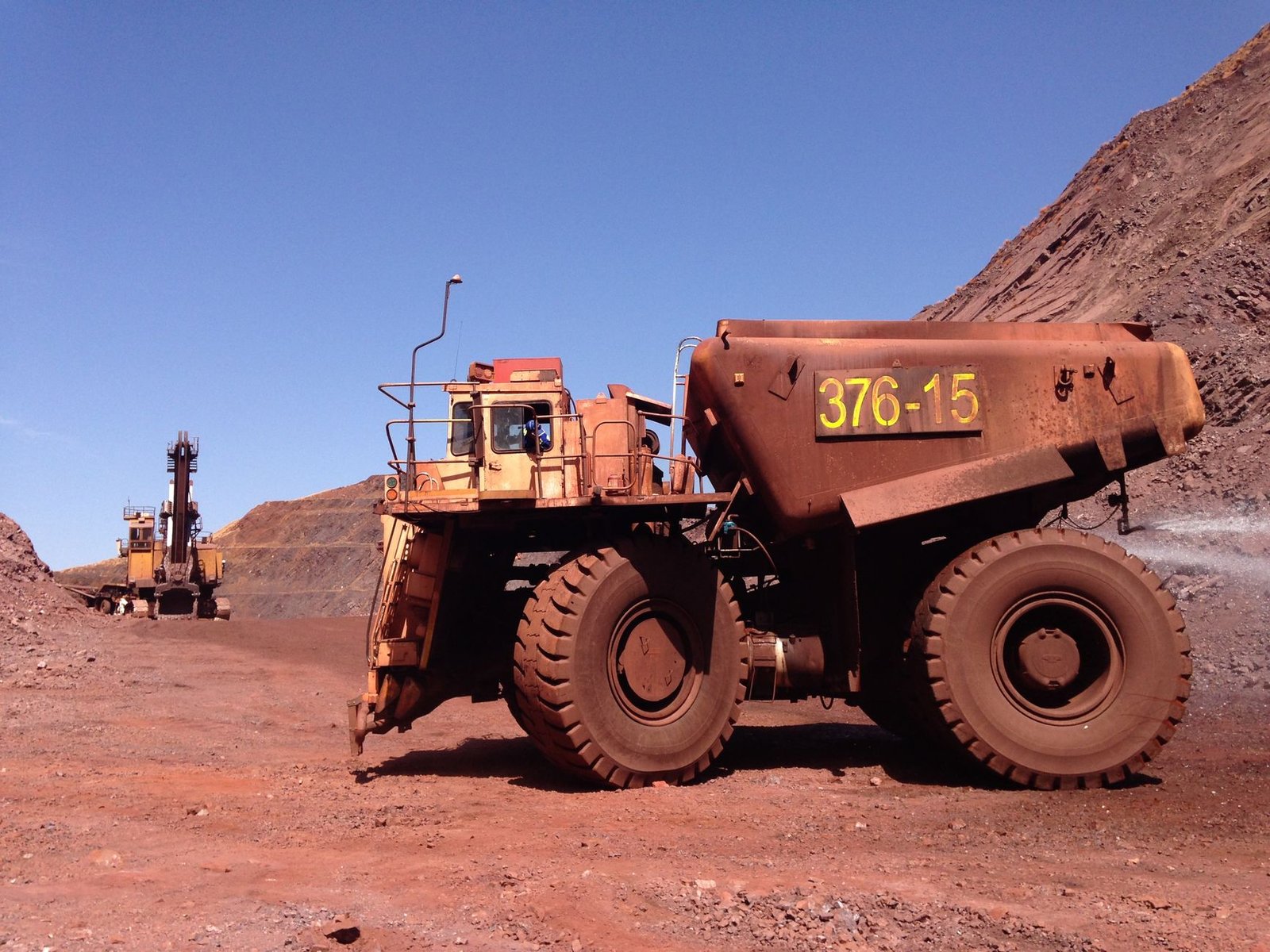
gold mining accountability struggles in Cameroon and dr Congo In Cameroon and the Democratic Republic of Congo, efforts to regulate gold mining are proving inadequate. Despite some progress, the revenues generated from this lucrative sector are increasingly failing to reach state coffers. This stark reality is the central finding of a recent report by the Institute for Security Studies (ISS). According to the Extractive Industries Transparency Initiative (EITI), Cameroon reported just 22 kilograms of gold exports in 2023, while importers claim to have purchased 15 tonnes. These discrepancies highlight systemic…
Read MoreGabon’s mining tax cut: a strategic shift or fiscal setback?
The Gabonese government’s revised 2025 budget reveals a striking adjustment in the mining tax sector, buried in the revenue projections of the July 17 finance law. The corporate tax revenue from mining is projected to plummet by 97%, dropping from 53.2 billion to just 1.47 billion CFA francs. This drastic reduction stands out as the most significant budgetary revision, with no other taxpayer category facing such a dramatic cut. For a nation that has relied heavily on extractive industries to diversify its economy beyond oil, this translates to a staggering…
Read MoreUncovering Cameroon’s untapped billions in development loans
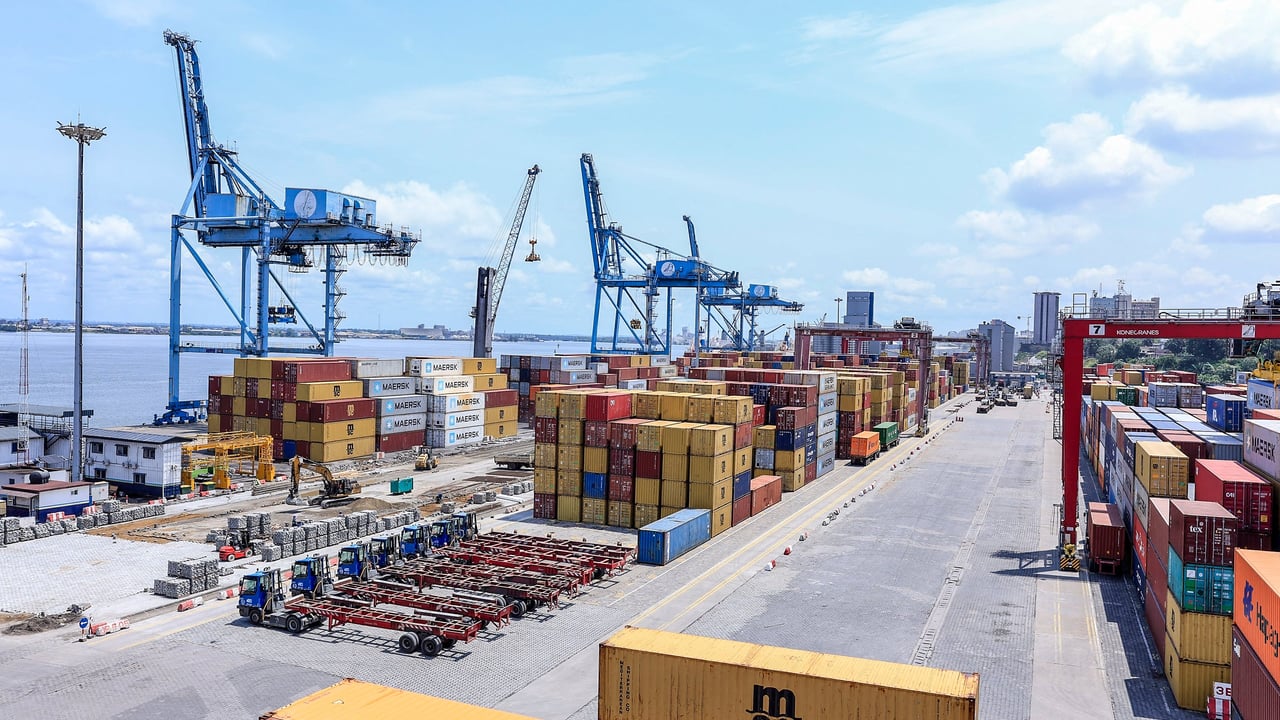
Omer Mbadi Special Correspondent World Bank African Development Bank millions in development financing remain underutilized in Cameroon Cameroon holds billions in concessional loans from international financial institutions, yet a significant portion remains untapped. These funds, designed to boost infrastructure, healthcare, and education, often face delays in disbursement due to bureaucratic hurdles and mismanagement. At the heart of this challenge lies Douala’s port, a key economic gateway where unspent capital could transform the nation’s growth trajectory. why do these funds go unused? Several factors contribute to the stagnation of these financial…
Read MoreBurkina Faso: Ibrahim Traoré’s solitary rule amid deepening instability
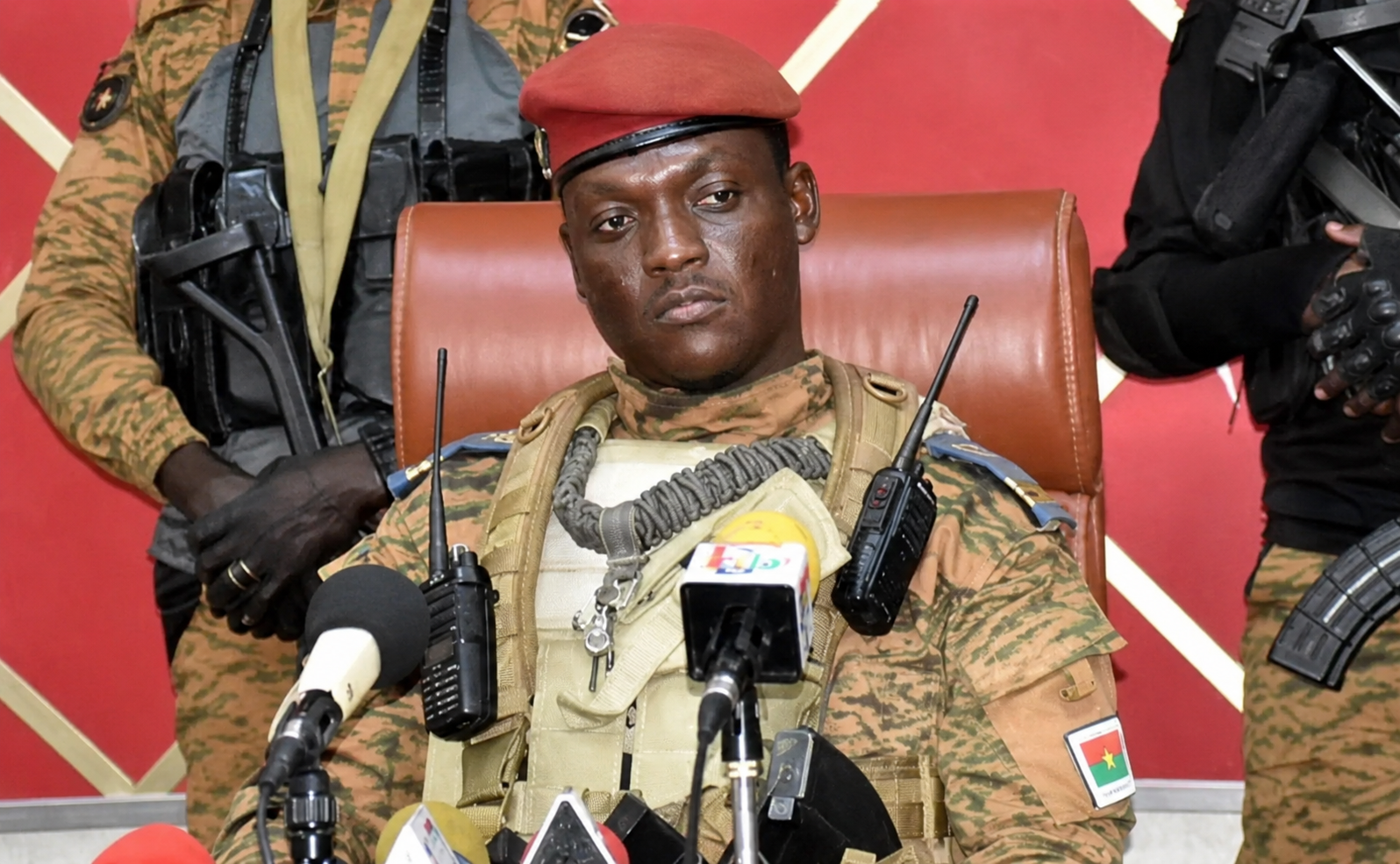
Throughout history, military leaders who seize power often fall prey to a persistent pitfall: mistaking the potency of rhetoric for tangible control and interpreting the quietude of a population—dictated by fear or uncertainty—as unwavering support. In Burkina Faso, this pattern appears increasingly evident. Beneath the meticulously staged appearances, the immaculate uniforms, the fiery denunciations of the ‘treacherous West,’ and the stern warnings against ‘anti-revolutionary’ behavior, a different reality is unfolding. The image of an assured leadership is gradually giving way to one of a regime grappling with escalating internal fissures.…
Read MoreBurkina Faso struggles with internal divisions within its military junta
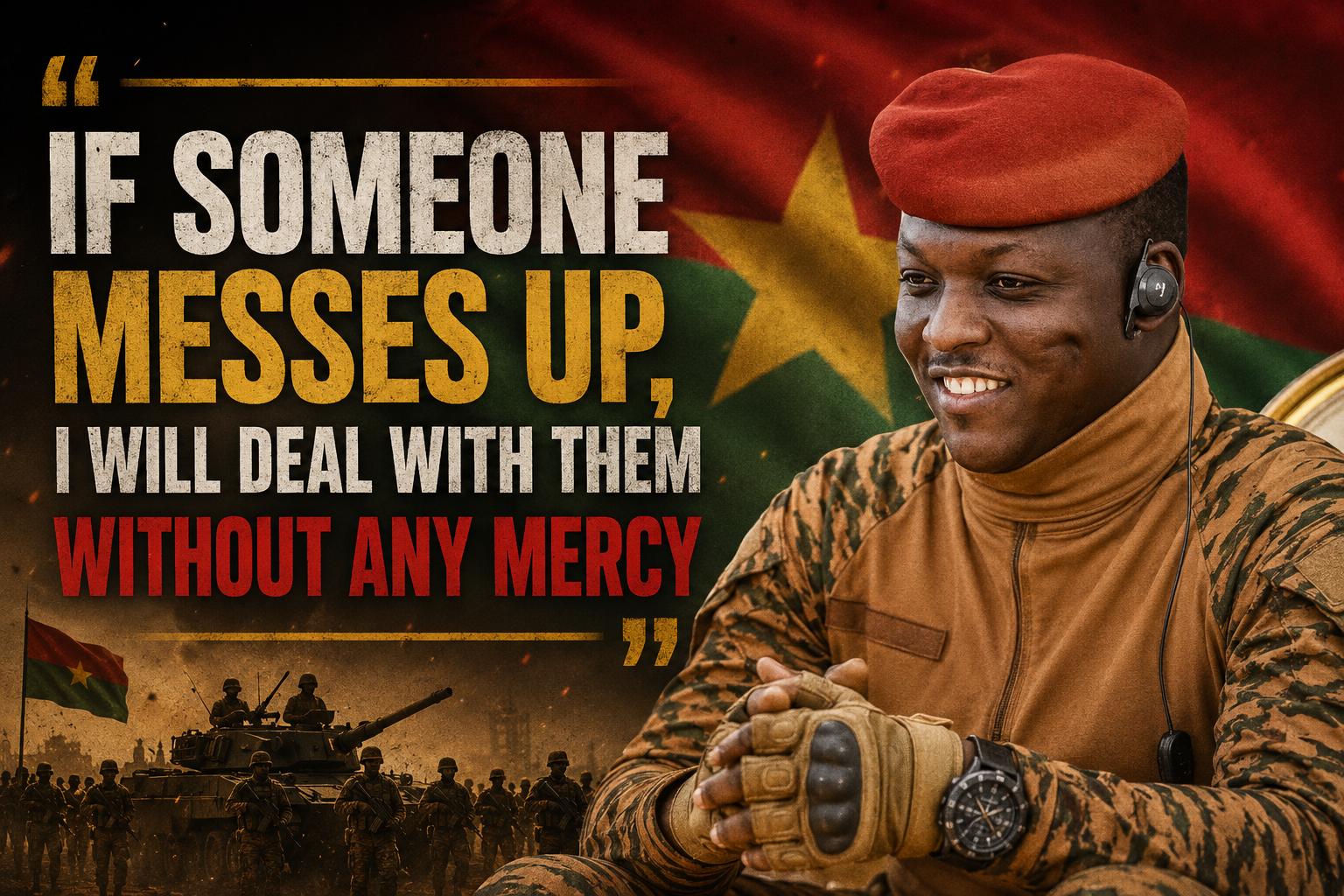
The stern declarations from Captain Ibrahim Traoré conceal a covert yet fierce battle for influence unfolding within Burkina Faso’s armed forces and transitional government. His uncompromising stance—”If anyone screws up, I’ll crush them without hesitation”—exposes deep-seated rifts and simmering rivalries gripping the military apparatus. Persistent whispers of destabilization plots and high-command disputes underscore a troubling fragility within the ruling junta. Military fractures straining cohesion Since the September 2022 coup, maintaining unity among the armed forces has proven increasingly challenging. Internal disagreements center on security operations and command responsibilities, with battlefield…
Read MoreCan 2032 bid raises questions as Sahel insecurity persists
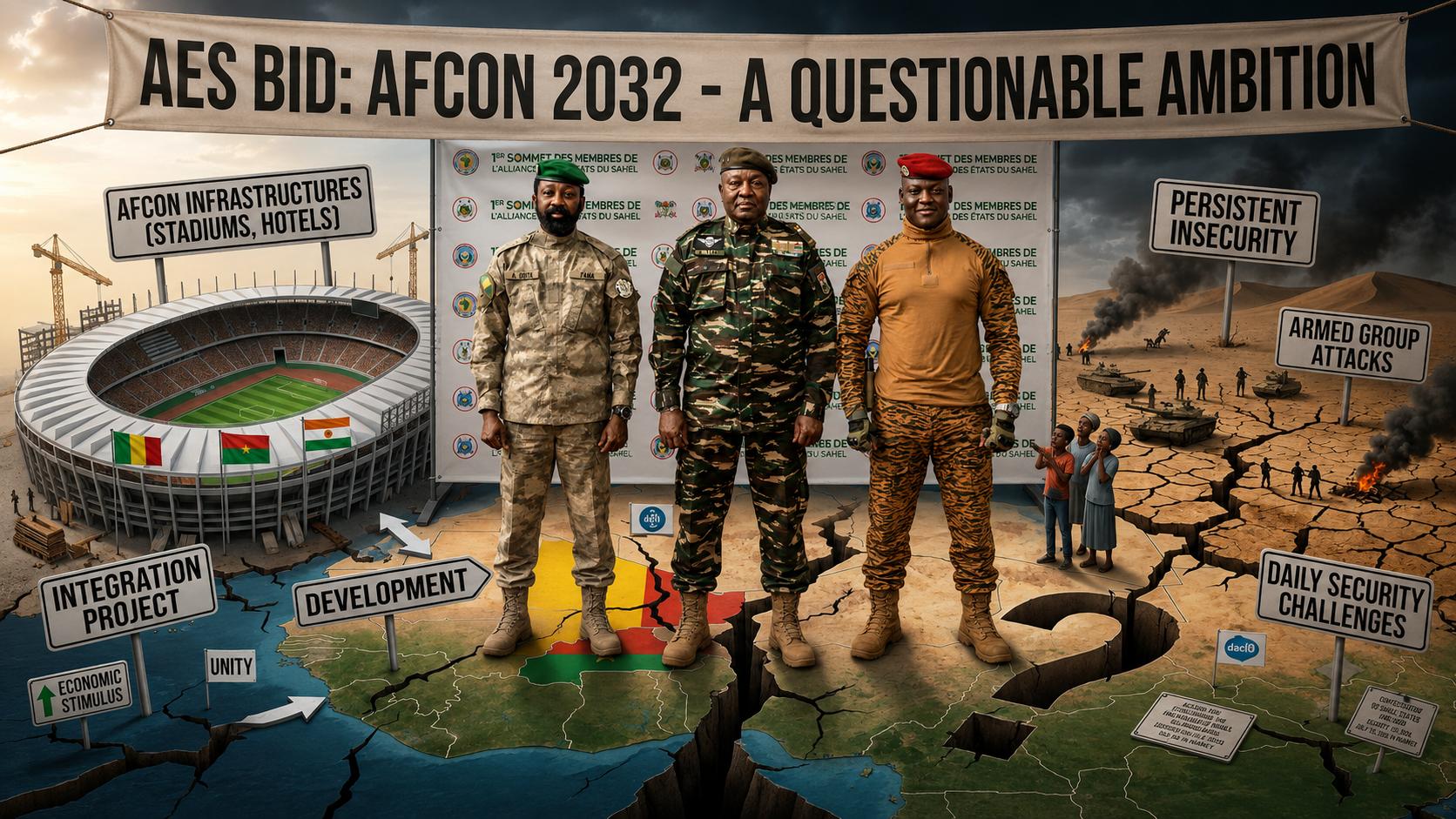
Burkina Faso, Mali and Niger jointly bid for 2032 Africa Cup of Nations amid enduring security crisis Burkina Faso, Mali and Niger have submitted a joint bid to host the 2032 Africa Cup of Nations (AFCON), positioning this initiative as a symbol of unity within the Alliance of Sahel States (AES). While the move aims to project confidence across the continent, it has sparked debate about whether these nations currently possess the minimal security and stability required to execute Africa’s premier football tournament. The challenge of hosting AFCON extends far…
Read MoreGaskindé: the unanswered questions behind Burkina Faso’s pivotal ambush
The trajectory of Captain Ibrahim Traoré’s rise in Burkina Faso cannot be understood without revisiting a date etched into the nation’s recent history: September 26, 2022. On that day, a military supply convoy bound for the besieged town of Djibo was ambushed in the northern village of Gaskindé. Claimed by the Group for the Support of Islam and Muslims (GSIM), an Al-Qaeda affiliate, the attack left at least 37 dead—including 27 soldiers—and dozens wounded. A political earthquake and a power shift The attack did not merely claim lives; it triggered…
Read MoreBenin prioritises climate action and inclusion in 2027 budget strategy
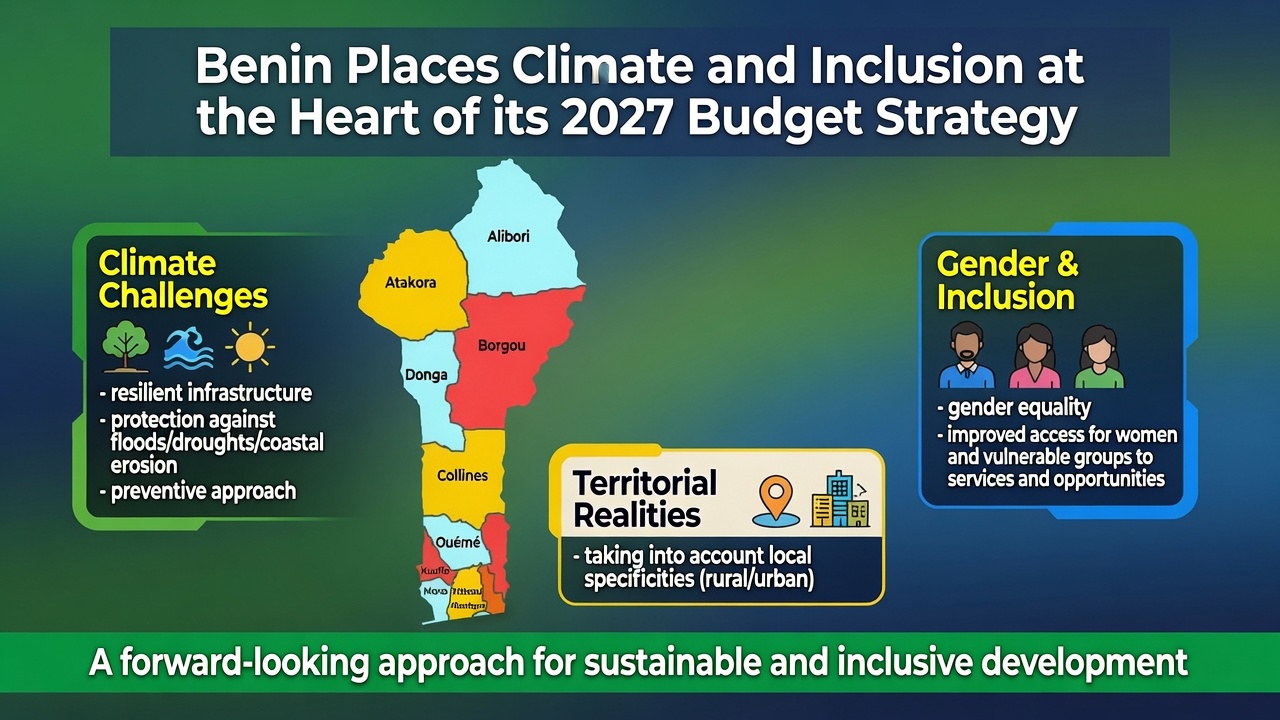
The Republic of Benin has achieved a significant milestone in the modernisation of its public policies with the 2027 budget framework. By placing climate resilience, gender equality, and territorial realities at the core of fiscal planning, the administration demonstrates a forward-thinking approach that transcends conventional budgetary management. This strategic shift reframes public investment as a proactive tool for fostering long-term sustainability and equitable development. The decision to embed climate considerations into budgetary decisions reflects a broader recognition of Benin’s vulnerability to environmental challenges. Extreme weather events, natural resource depletion, and…
Read MoreBurkina Faso: Ibrahim Traoré’s rise to power through force and its consequences
Since assuming leadership in Burkina Faso following the September 2022 military coup, Captain Ibrahim Traoré has consistently addressed the nation, each speech fueling deeper discussions about the nature of his authority and the country’s political trajectory. Recent declarations from the transitional leader leave little room for interpretation: they openly endorse a seizure of power outside constitutional frameworks and reframe such ruptures as acceptable political norms. The facts speak for themselves. Ibrahim Traoré did not ascend to the presidency through democratic elections. His rise followed a violent overthrow of Lieutenant-Colonel Paul-Henri…
Read More