Burkina Faso’s cotton exports: India as the new buyer for raw fibre
The transitional authorities in Burkina Faso are turning their gaze toward India, seeking fresh trading partners to unload the nation’s prized ‘white gold.’ While Ouagadougou frames this commercial outreach as a diplomatic triumph, the move underscores a deeper, unresolved challenge: the country’s persistent inability to break free from its role as a mere exporter of unprocessed raw materials. By pursuing trade ties with New Delhi, Burkina Faso aims to reduce its heavy reliance on China, currently the dominant importer of its cotton fibre. Yet, this strategic pivot does little to…

Read More

Russian mercenaries in Mali: why their losses remain low

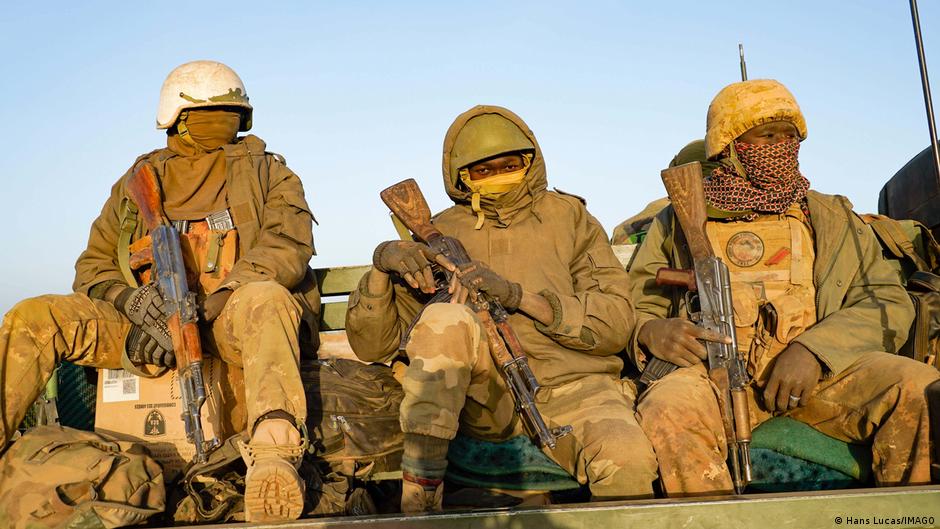
In the ongoing conflict in Mali, a striking disparity has emerged between the casualties suffered by the Malian Armed Forces and those incurred by the Russian paramilitary group Africa Corps. Despite facing similar threats from jihadist factions, the reported losses among Russian fighters remain disproportionately low compared to their Malian counterparts. Understanding the discrepancy Analysts point to several key factors that may explain this imbalance. First and foremost is the matter of troop numbers. While Mali’s military boasts over 13,000 active personnel, the Africa Corps contingent is estimated to consist…

Read More

Togo faces scrutiny over foreign military presence

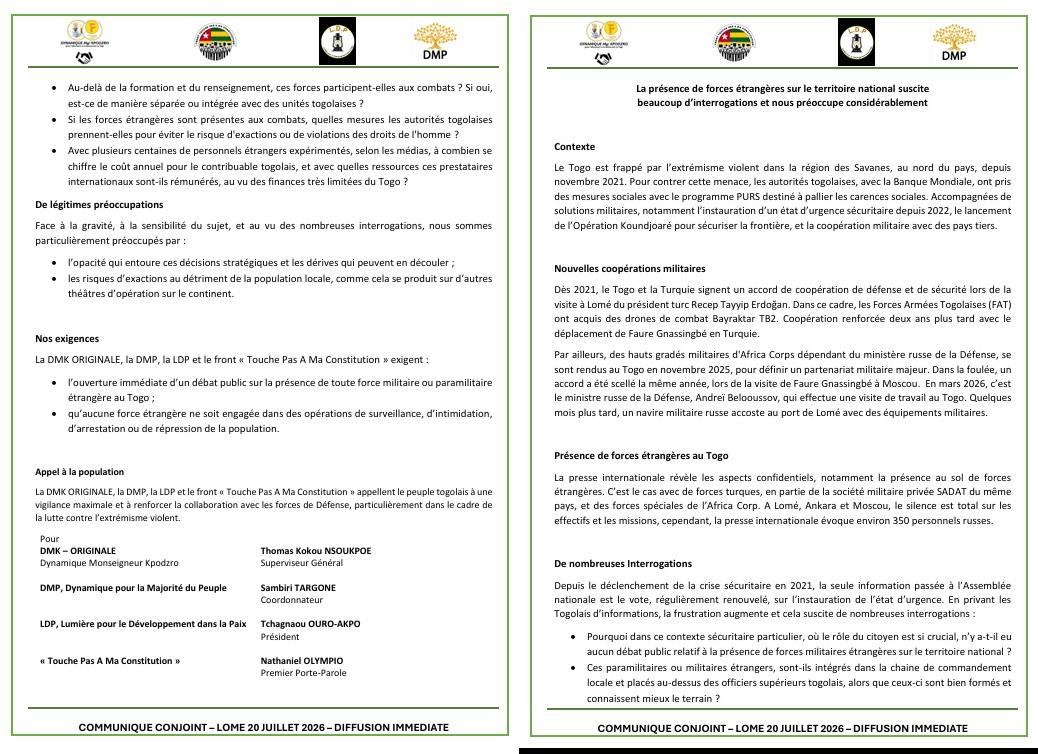
Unanswered questions on foreign military deployment in Togo In any democracy, matters of national defense are inherently shrouded in confidentiality. Critical operations, intelligence gathering, and strategic alliances cannot be fully disclosed to the public. Yet blanket secrecy, especially when prolonged, often breeds suspicion rather than trust. In Togo, whispers about the presence of foreign military personnel—particularly from Russia and Turkey—have intensified, raising pressing questions that demand clear responses from authorities. The specter of protection amid political unrest While defense cooperation is not inherently problematic, the opacity surrounding these arrangements has…

Read More

Security crisis overshadows Burkina Faso’s stability struggles

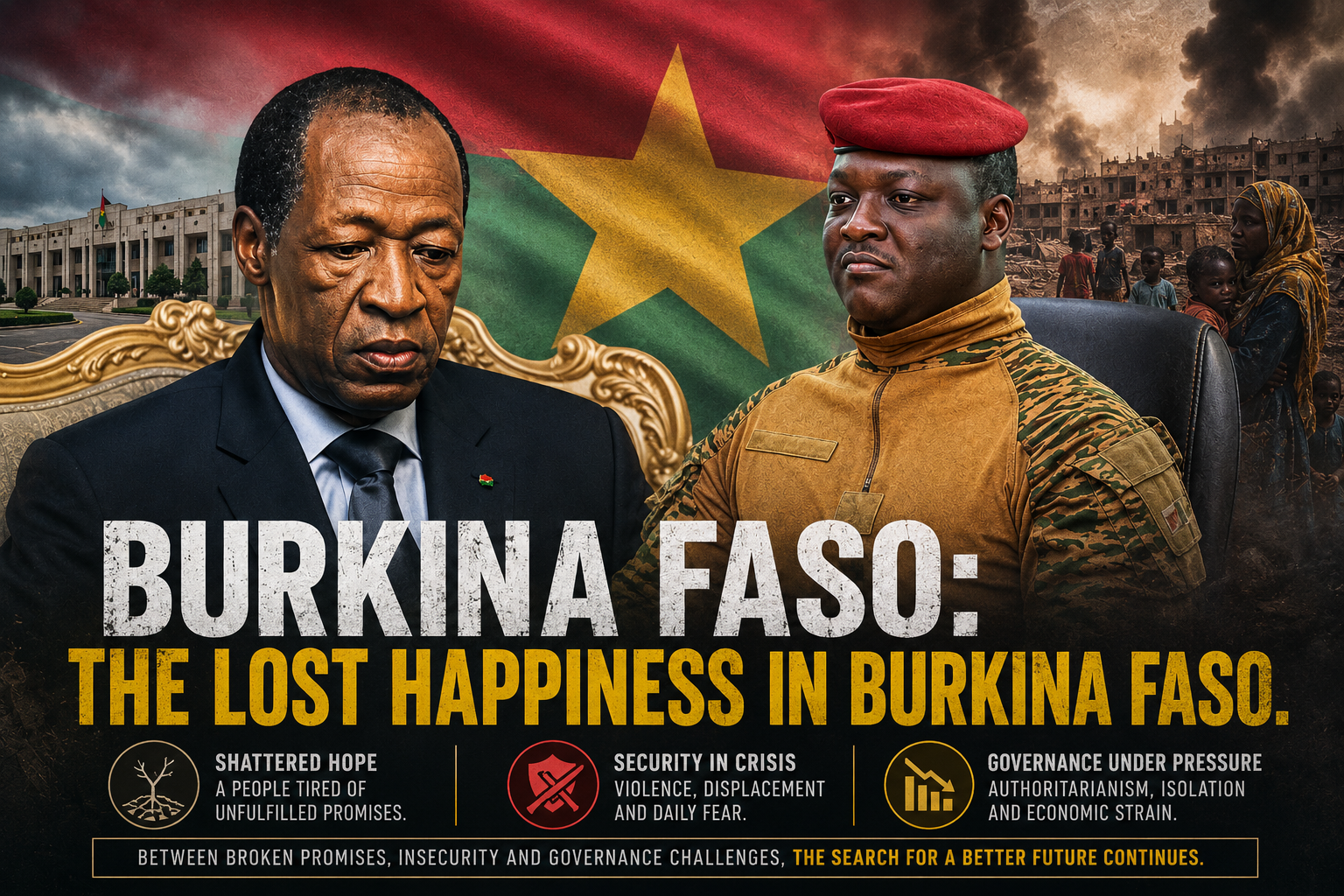
The Burkina Faso of today bears little resemblance to the nation once praised for its relative stability. While the era of former President Blaise Compaoré was far from flawless—marked by allegations of authoritarian rule and restricted democratic transitions—it was a period when citizens could move freely, farmers worked their land, and families traveled without fear. Terrorism had not yet plunged the country into the violent insecurity that now defines the Sahel. a stark contrast in governance and expectations The criticisms leveled against Compaoré’s government were not baseless. His twenty-seven years…

Read More

Mali faces new security crisis after deadly north attack amid Africa corps presence

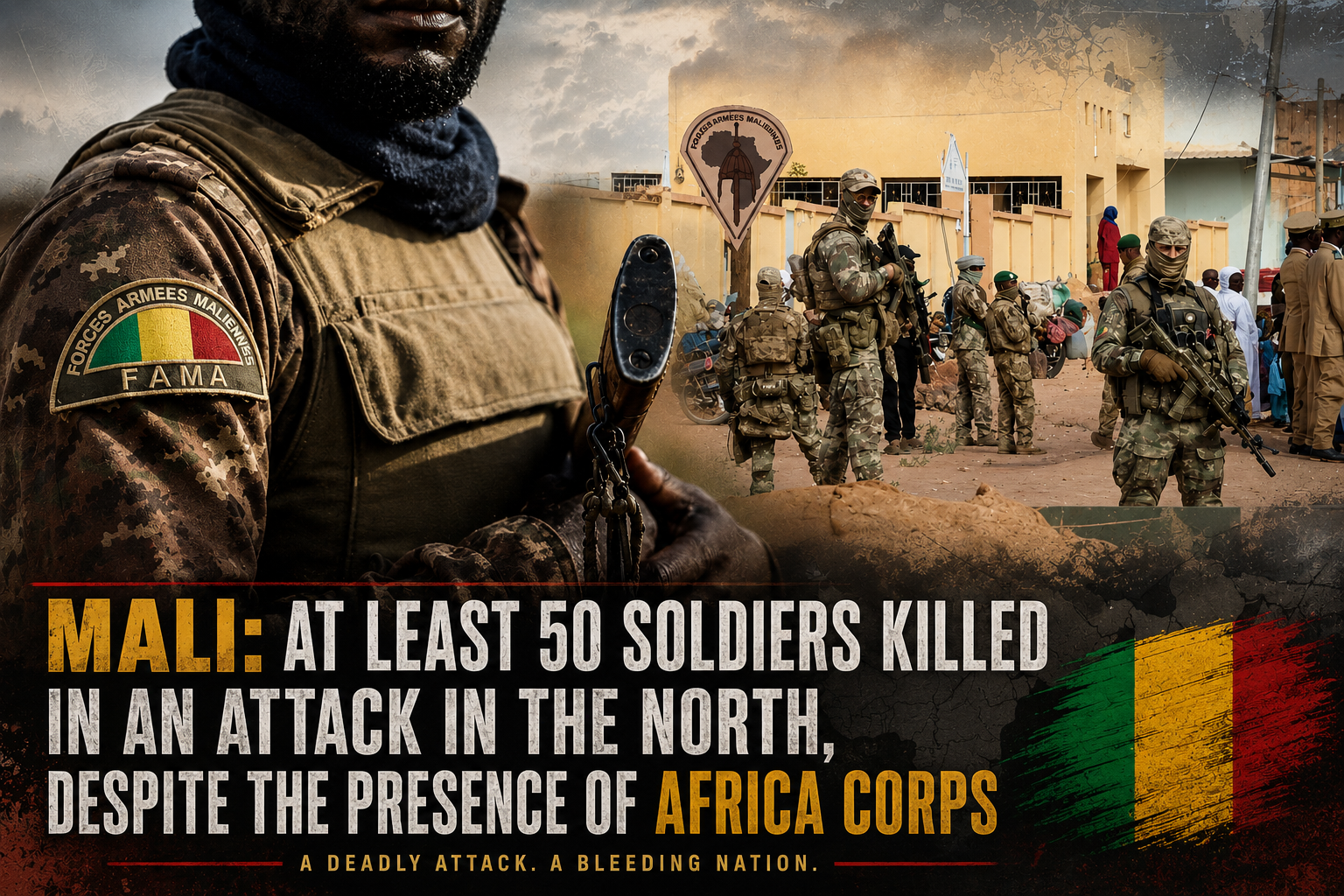
Northern Mali: Deadly assault highlights persistent security challenges despite foreign support At least fifty soldiers lost their lives in a coordinated assault on military positions in northern Mali, according to preliminary assessments. The attack, reportedly carried out by separatist fighters in collaboration with jihadist factions, underscores the ongoing deterioration of the country’s security landscape. The incident raises serious questions about the effectiveness of Bamako’s military support network. Since the deployment of Africa Corps, touted by officials as a strategic partner capable of delivering decisive military expertise, expectations have been high.…

Read More

Populism in Burkina Faso overshadows unmet citizen expectations

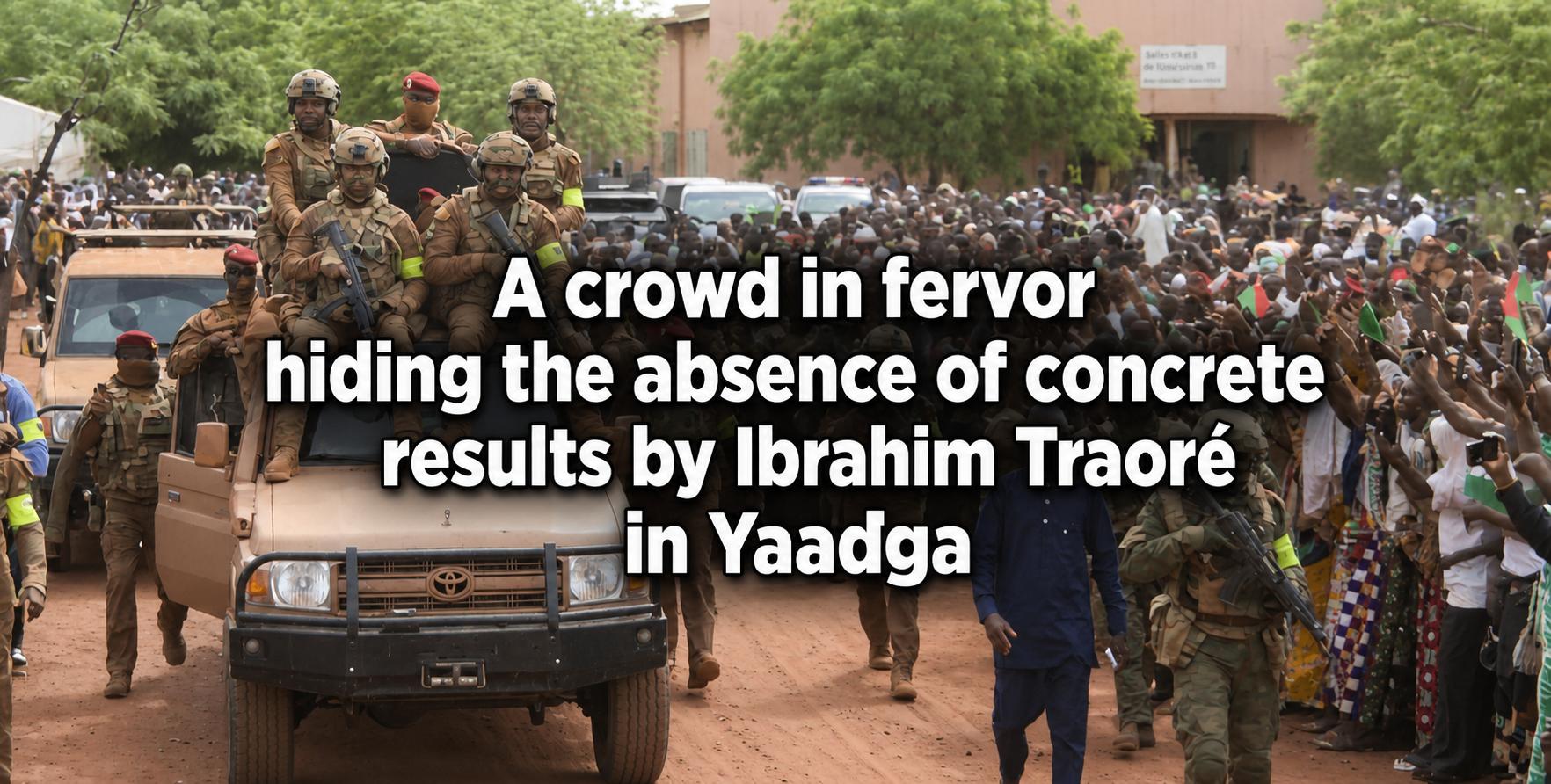
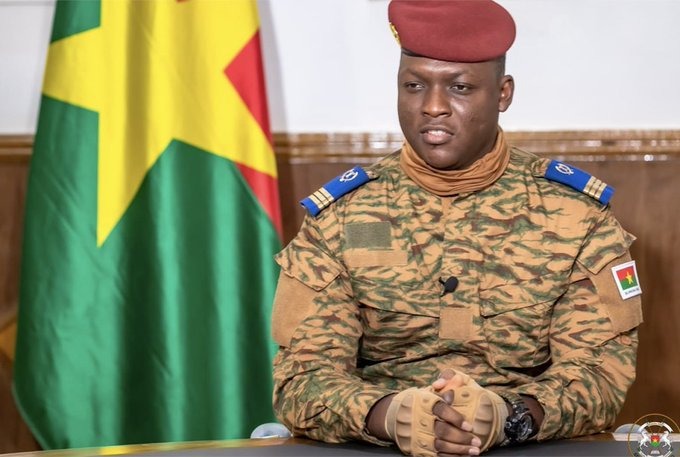
Images from Captain Ibrahim Traoré’s visit to the Yaadga region depict scenes of jubilation, with crowds lining the streets both upon his arrival and departure. For his supporters, these gatherings symbolize overwhelming approval of his leadership. Yet, equating a leader’s performance with the enthusiasm of public appearances reflects political messaging rather than a genuine assessment of governance. While public figures often receive warm welcomes during official visits, such visuals are not a reliable measure of governance quality. What truly matters are tangible policy outcomes, measurable progress, and tangible improvements in…

Read More

Mali infowar: how pro-AES accounts spun a false tale of a french soldier’s death

Between July 4 and 9, Malian armed forces, backed by Russian mercenaries, engaged in fierce combat against terrorist factions near Anéfis. Amid the dust of battle, a disinformation campaign targeting the French military emerged—despite France having withdrawn its troops from Mali in August 2022. Proponents of the Alliance of Sahel States (AES) attempted to fabricate evidence suggesting a French soldier had perished while allegedly aiding rebels from the National Movement for the Liberation of Azawad (MNLA) and the Support Group for Islam and Muslims (GSIM). From rumor to deception: the…

Read More

Burkina Faso under Ibrahim Traoré: from promises to a starker reality

The narrative propagated by state-controlled media, portraying Burkina Faso as a flourishing “eldorado” under Captain Ibrahim Traoré, appears more as a political construct than a grounded assessment. While official discourse extols a supposed “popular progressive revolution,” the daily lives of many Burkinabè are still plagued by insecurity, economic hardship, and unmet expectations for tangible progress. Promises of transformation and the delay in tangible outcomes Since assuming leadership, Captain Ibrahim Traoré has repeatedly pledged a national revival, accelerated industrialization, and the complete reclamation of national territory. However, these commitments have yet…

Read More

Niger’s Demographic Challenges: A Collective Reflection in Niamey

At the University Abdou Moumouni in Niamey, a meeting was held to discuss demographic challenges and socio-anthropological issues on World Population Day. Researchers, teachers, students, and representatives from institutions engaged in debates about the main challenges related to population growth and its implications for Niger’s development. The discussions highlighted the importance of having reliable demographic data and better understanding social and cultural realities to inform public policies, particularly in areas such as education, healthcare, and employment. Participants also emphasized the role of research and dialogue among various stakeholders in supporting…

Read More

Victim mentality in Russia and Sahel states’ political strategy

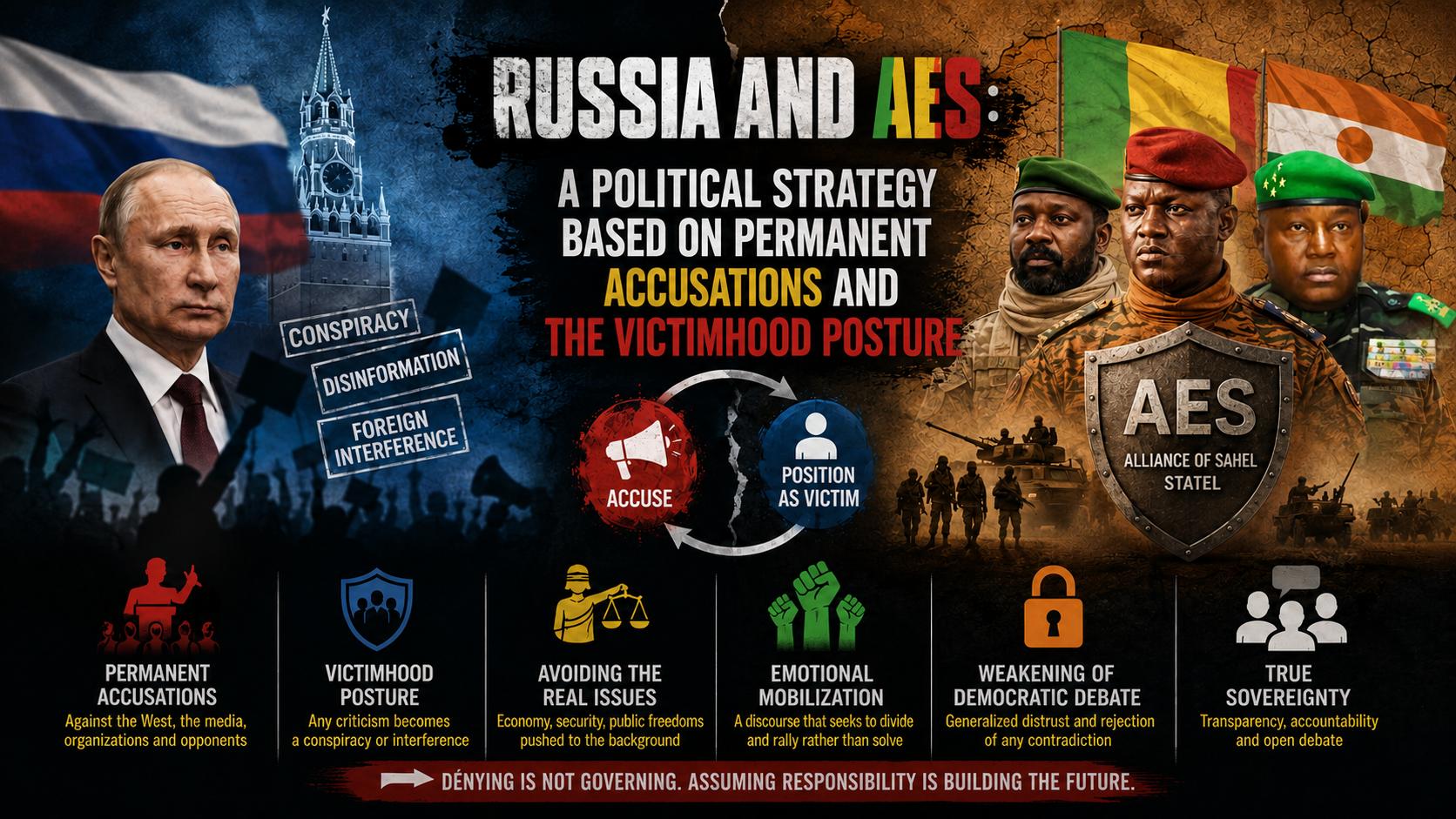
The governments of the Alliance of Sahel States (AES) and the Russian Federation have consistently weaponized accusations in their political narratives. By framing adversaries—whether Western powers, international media, regional blocs, or domestic opponents—as perpetrators of conspiracies, they deflect scrutiny from pressing domestic issues. This tactic, while politically expedient, undermines substantive governance and fosters a climate of distrust. the rise of perpetual accusation Criticism, whether justified or baseless, is met with immediate counter-accusations of foreign interference, disinformation campaigns, or orchestrated destabilization plots. Rather than engaging with the substance of concerns regarding…

Read More

Gender parity progress in african politics: Senegal and Chad lead the way

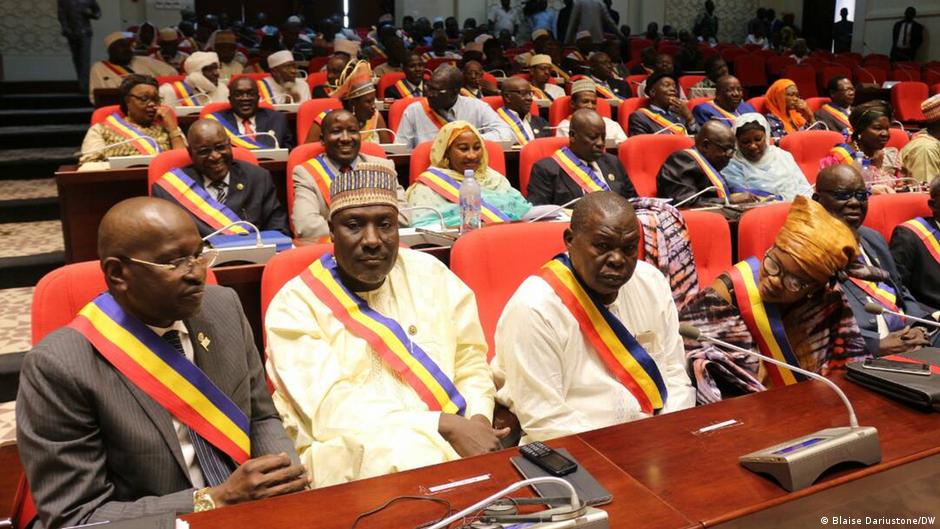
Since the early 2000s, African nations have been adopting laws and quotas to boost women’s representation in political institutions. These measures vary widely across the continent, with some countries mandating minimum female representation on electoral lists while others set benchmarks for parliamentary seats. Senegal and Chad stand out as key examples of how different approaches can shape gender parity in governance. Senegal’s gender parity law: a step forward with limitations In Senegal, the Parity Law, enacted in 2010, requires gender alternation on electoral lists for multiple election types. This has…

Read More

Africa’s path to pharmaceutical sovereignty and health independence

Africa’s path to pharmaceutical sovereignty and health independence By Dr. Arnaud Kaboré – July 15, 2026 For decades, most African nations have relied on imported medications to meet the health needs of their populations. In this commentary, pharmacist and engineer Dr. Arnaud Kaboré outlines a strategic roadmap for African policymakers to achieve full pharmaceutical sovereignty by 2045. Why Africa’s drug dependence poses a critical health risk Despite progress, fewer than five African countries currently operate pharmaceutical manufacturing plants capable of exporting beyond their borders. This leaves the continent importing a…

Read More