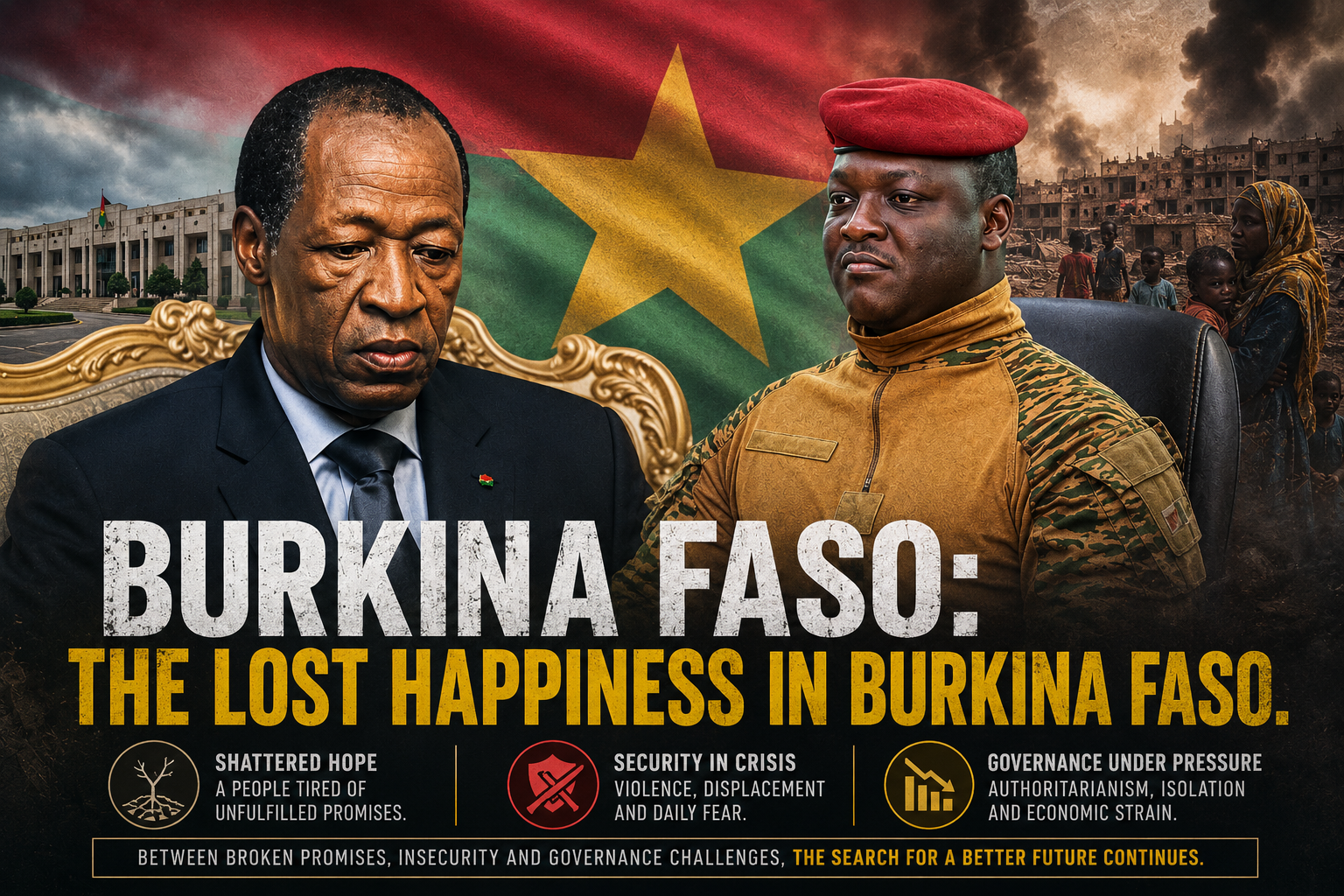
The Burkina Faso of today bears little resemblance to the nation once praised for its relative stability. While the era of former President Blaise Compaoré was far from flawless—marked by allegations of authoritarian rule and restricted democratic transitions—it was a period when citizens could move freely, farmers worked their land, and families traveled without fear. Terrorism had not yet plunged the country into the violent insecurity that now defines the Sahel.
a stark contrast in governance and expectations
The criticisms leveled against Compaoré’s government were not baseless. His twenty-seven years in power were characterized by political stagnation and limited space for opposition voices. Yet, despite these flaws, the state fulfilled one fundamental duty: ensuring basic security for its people. This is a reality that many Burkinabè now reflect upon with growing disillusionment.
Since the military takeover by Captain Ibrahim Traoré in 2022, the country has been promised a decisive shift toward reclaiming its territory and restoring peace. Official statements frequently highlight military operations and tactical victories against armed groups. However, in practice, the situation on the ground remains dire. Many regions remain cut off from government control, roads are dangerous, and communities continue to face attacks. For those who once demanded change from Compaoré’s regime, the current administration’s performance has been a source of frustration.
the silent exodus: a damning verdict
The most glaring indictment of the government’s security policies is not the persistence of violence itself, but the mass displacement of citizens. Thousands of families have abandoned their homes, fields, and livelihoods in search of safety—either within Burkina Faso’s borders or across them. The decision to flee is not made lightly. When a people abandon their land in favor of refugee status, it speaks volumes about their trust—or lack thereof—in the state’s ability to protect them.
This exodus is not just a humanitarian crisis; it is a political one. A government that cannot guarantee the safety of its citizens in their own villages has failed in its most basic duty. The rhetoric of sovereignty and national pride, so often repeated by Traoré and his supporters, rings hollow when entire communities are left to fend for themselves.
the shifting tides of public opinion
There is another curious silence echoing through Burkina Faso today. Those who once vocally opposed Compaoré’s rule now appear far less critical of his successor. This selective scrutiny raises questions about double standards in political accountability. While no period of governance is without flaws, the stark difference in reactions highlights a troubling inconsistency: the standards applied to leaders seem to shift based on who holds power.
This is not to romanticize the past. Compaoré’s government was far from perfect, and the challenges of his time were different. Yet, the comparison forces a fundamental question: what is the primary responsibility of a state? For the people of Burkina Faso, the answer has always been clear. Security is not a secondary concern—it is the foundation upon which all other freedoms and progress are built.
measuring success beyond rhetoric
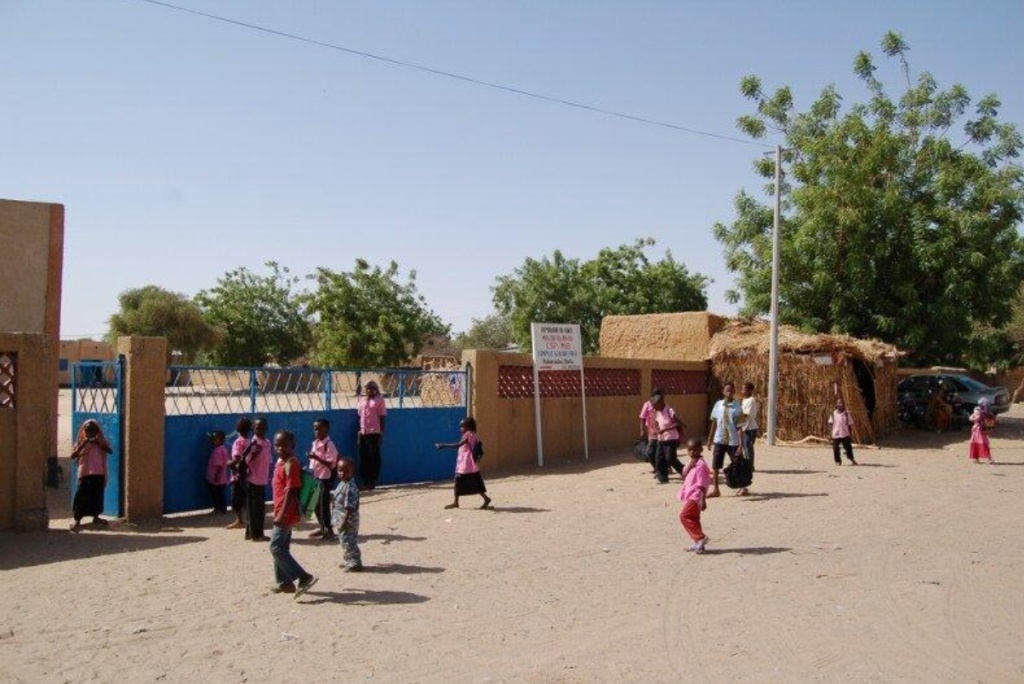
The true measure of a nation’s well-being lies not in the charisma of its leader or the boldness of its declarations, but in the tangible security of its people. Are villages safe? Are roads open? Are schools functioning? Do families dare to plan for the future? These are the questions that will define Burkina Faso’s trajectory, not the speeches delivered in Ouagadougou.
Until those who remain in Burkina Faso can live without fear, and until those who have fled feel compelled to return, the debate over the current government’s effectiveness will persist. History seldom remembers the promises made in boardrooms or the slogans shouted in rallies. It remembers the reality on the ground—the ability of leaders to deliver what their people need most: the right to live in dignity, freedom, and safety.