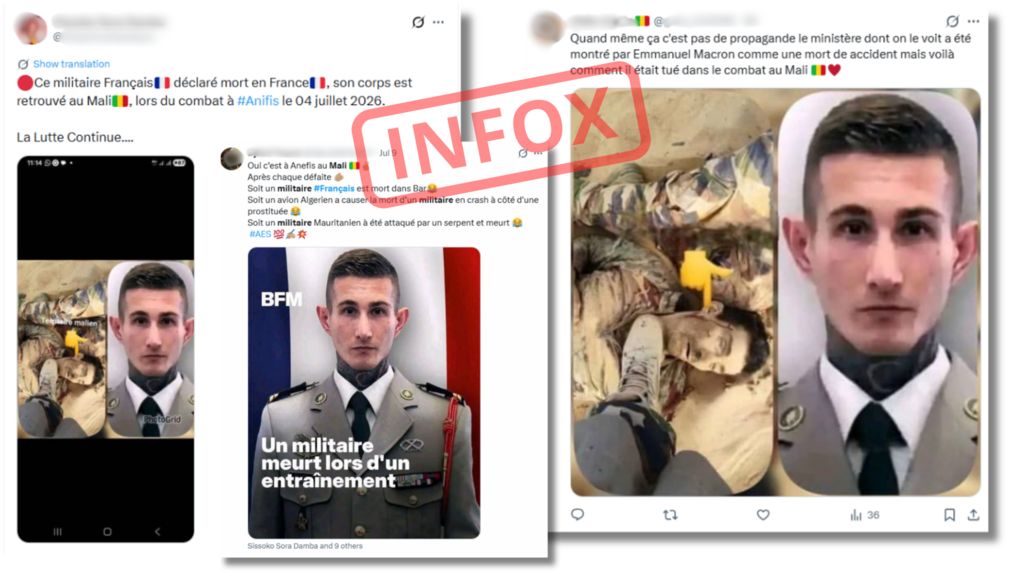
Between July 4 and 9, Malian armed forces, backed by Russian mercenaries, engaged in fierce combat against terrorist factions near Anéfis. Amid the dust of battle, a disinformation campaign targeting the French military emerged—despite France having withdrawn its troops from Mali in August 2022. Proponents of the Alliance of Sahel States (AES) attempted to fabricate evidence suggesting a French soldier had perished while allegedly aiding rebels from the National Movement for the Liberation of Azawad (MNLA) and the Support Group for Islam and Muslims (GSIM).
From rumor to deception: the birth of a false narrative
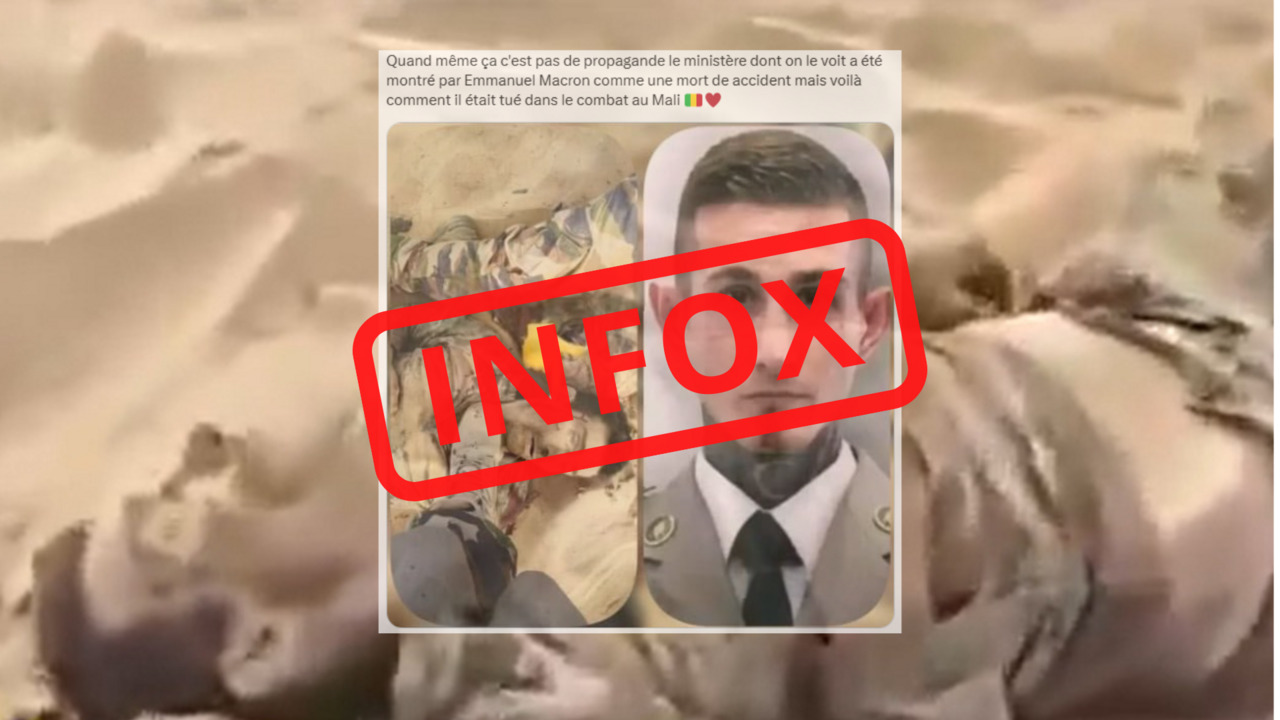
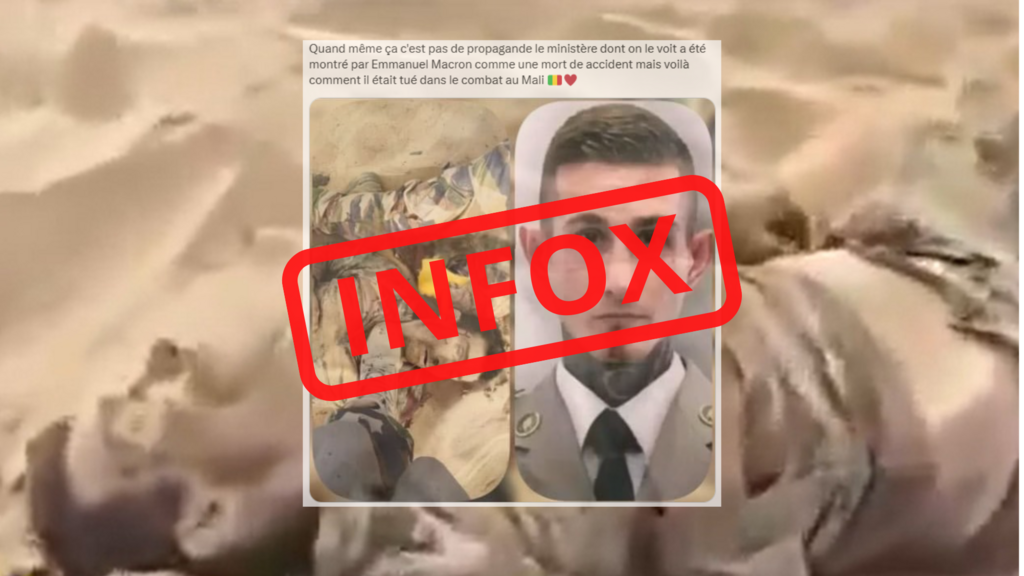
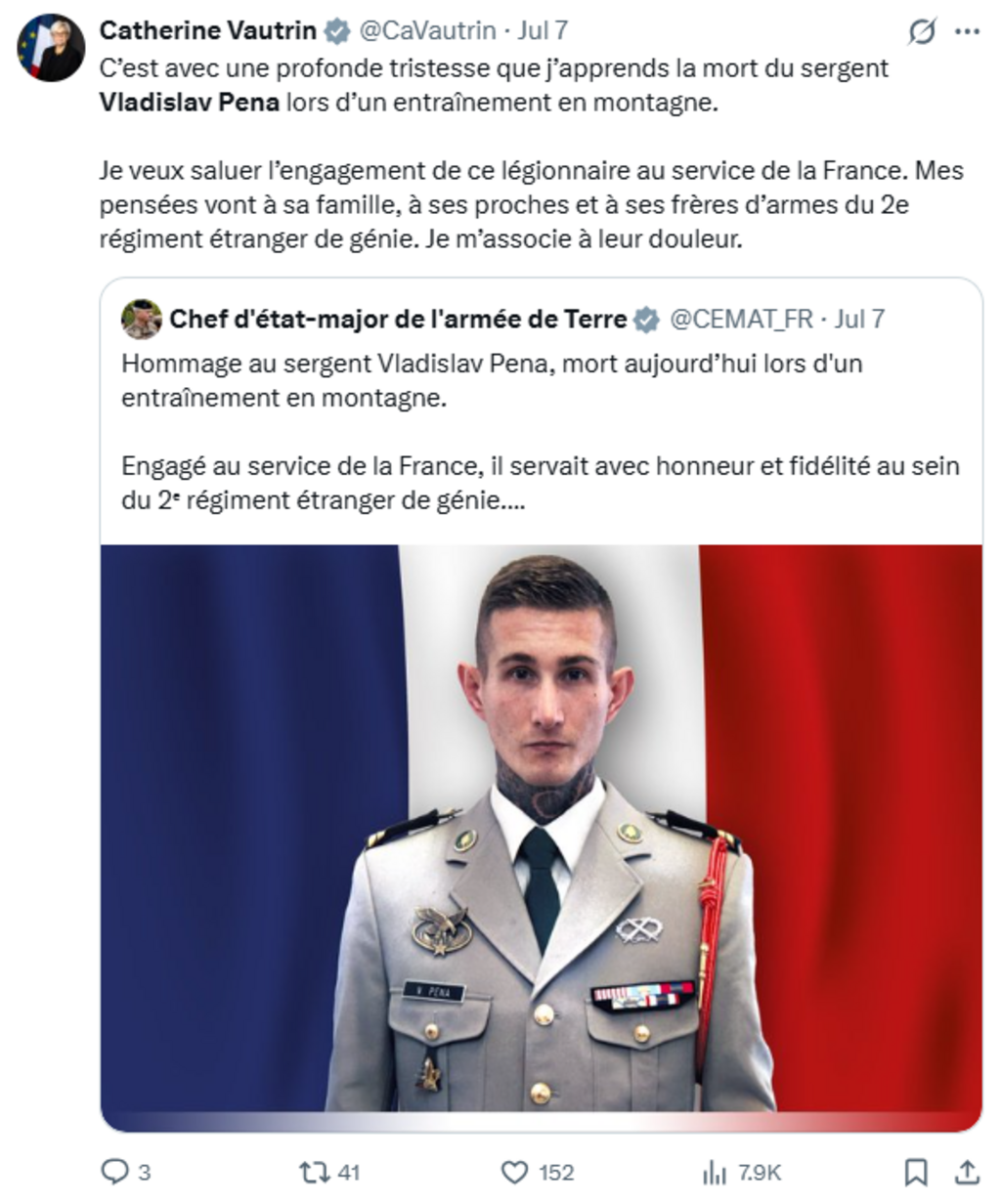
As fighting in Anéfis reached its peak, whispers of a French military fatality began circulating online. On July 9, the first misleading post surfaced on X (formerly Twitter). Its author seized upon the announcement of a French soldier’s death in a training accident in the French Alps on July 7. Sergeant Pena, a Russian-born legionnaire, had died in service, and the French high command had already honored his memory. Yet pro-AES accounts cynically suggested: “Other hypotheses persist—including the possibility of his death in Anéfis, Mali.”
A Russian mercenary, not a French legionnaire
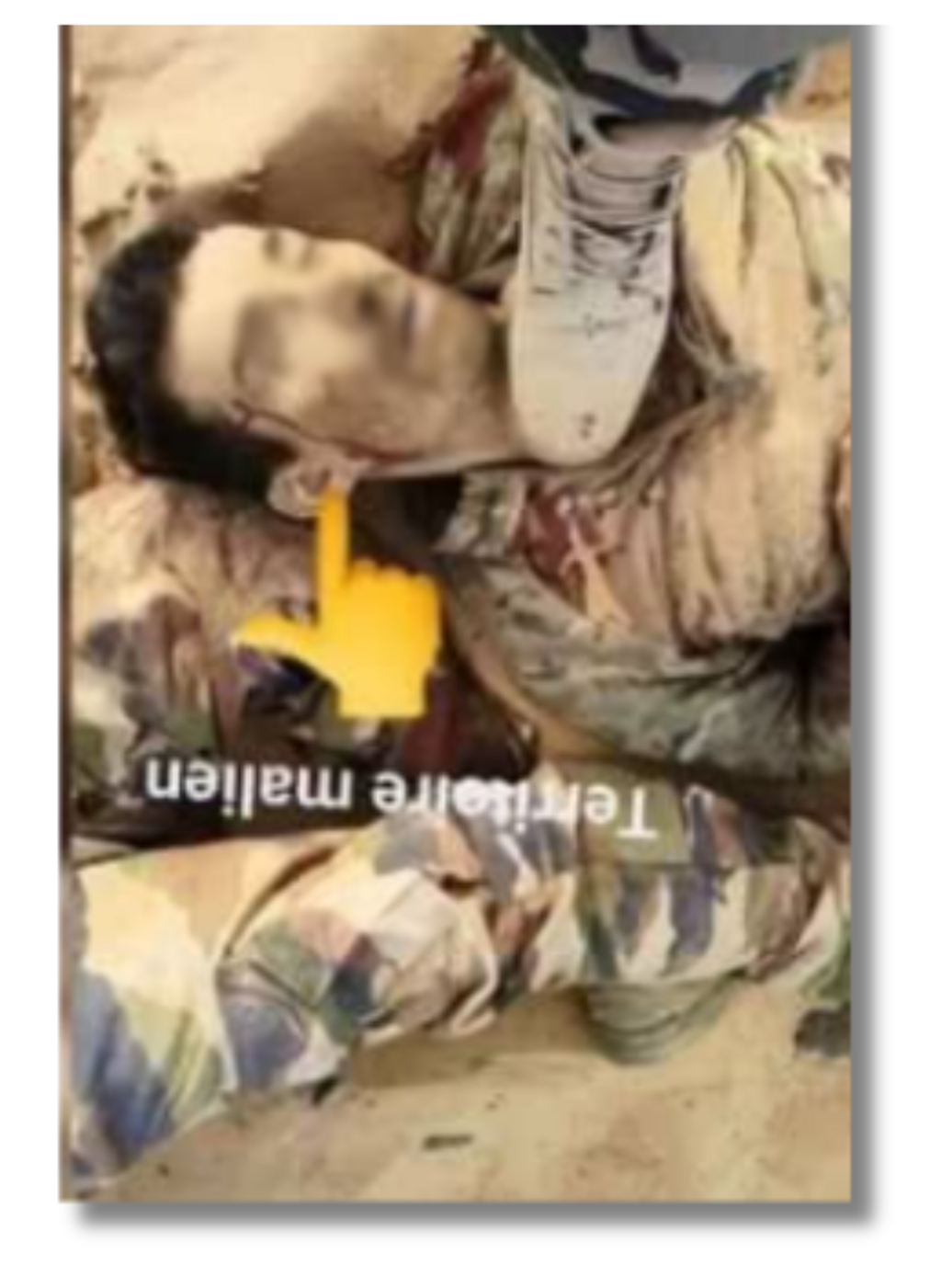
The deception deepened the following day with the release of a photo allegedly showing the slain French soldier: a white man lying in the sand. The image bore a striking resemblance to the official portrait of the legionnaire who had died in France, allowing propagandists to exploit his Russian origins and physical likeness to sow confusion among the public.
Upon examining the grim battlefield photos with Sahel specialists, the consensus was clear: the images originated from the 2024 Tinzaouatène battle in northern Mali. Reverse image searches revealed an identical photo of the body—this time identified as a Russian mercenary—circulating on an anonymous forum where unverified claims thrive without accountability.
Six minutes of propaganda: recycling old footage
Analysis of a six-minute propaganda video, published by the MNLA in 2025 to mark the first anniversary of the battle, confirmed the body in question was among Russian mercenaries slain in 2024. While the footage was grainy, the alignment of corpses, camouflage patterns, facial structures, and hairstyles matched perfectly.

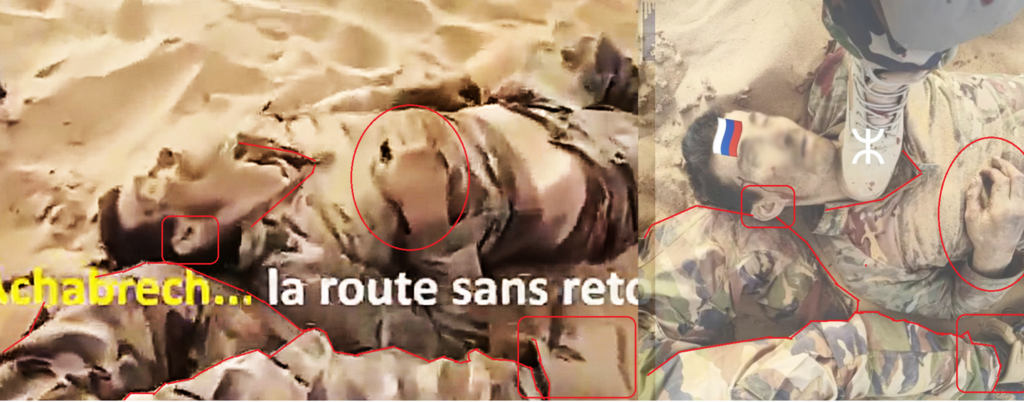
This disinformation was built on a recycled image: a 2024 archive photo of Wagner Group members killed in Tinzaouatène, not a French soldier allegedly found in Anéfis in 2026.
A flimsy hoax that failed to gain traction
The narrative that French troops collaborate with terrorists is not new. Yet this particular fabrication remained confined to familiar Sahelian propaganda accounts and garnered little amplification. Public comments largely condemned the manipulation, signaling that even the most persistent falsehoods eventually lose their grip after years of repetition.
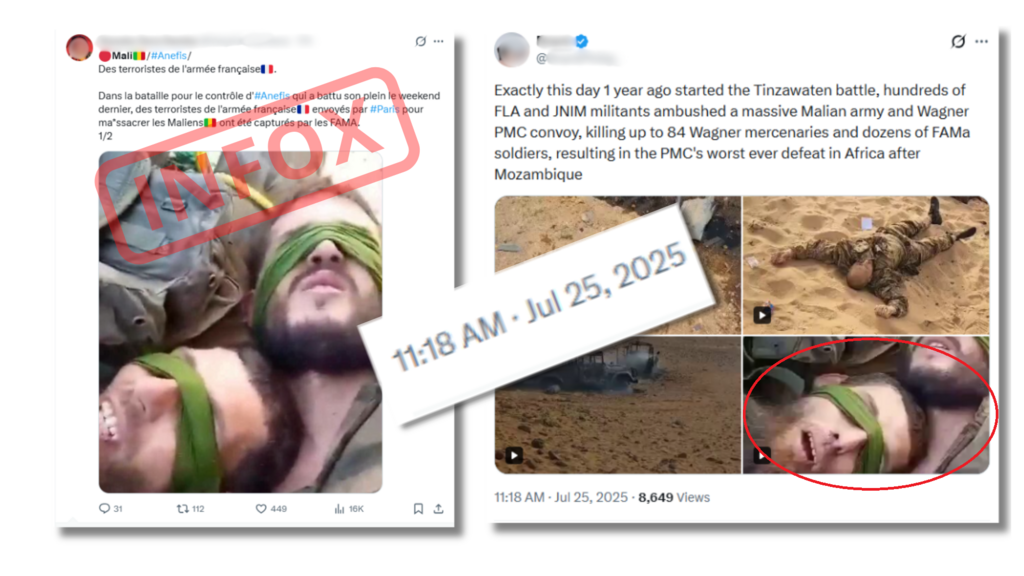
As of now, the misleading post has garnered fewer than 50,000 views, yet it represents an attempt to hijack the identity of a fallen French serviceman and an affront to his memory.