The narrative propagated by state-controlled media, portraying Burkina Faso as a flourishing “eldorado” under Captain Ibrahim Traoré, appears more as a political construct than a grounded assessment. While official discourse extols a supposed “popular progressive revolution,” the daily lives of many Burkinabè are still plagued by insecurity, economic hardship, and unmet expectations for tangible progress.
Promises of transformation and the delay in tangible outcomes
Since assuming leadership, Captain Ibrahim Traoré has repeatedly pledged a national revival, accelerated industrialization, and the complete reclamation of national territory. However, these commitments have yet to materialize in a way that the majority of the population can visibly experience. While isolated infrastructure projects have been initiated, framing them as evidence of widespread development remains a significant overstatement.
Persistent challenges overshadow political rhetoric
Official statements insist that Burkina Faso is steadily progressing toward a model of endogenous development and laying the groundwork for a prosperous nation. Yet, this assertion warrants critical examination. The country continues to grapple with profound challenges, particularly in security, as attacks persist in multiple regions, displacing thousands. Access to essential public services, economic constraints, and the rising cost of living remain pressing concerns for citizens nationwide.
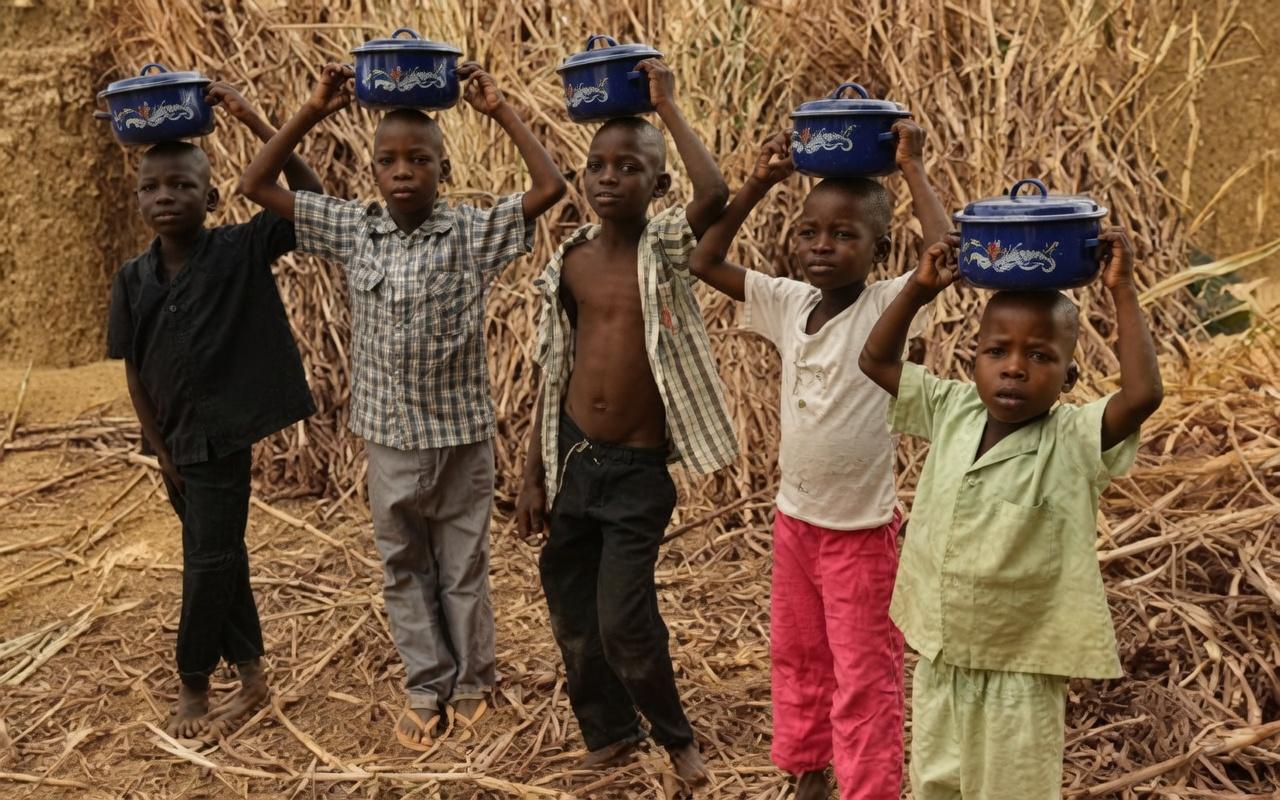
Beyond security concerns, the humanitarian crisis continues to exert severe pressure on the nation. Widespread violence has forced countless families to flee their homes, seeking refuge in safer areas or neighboring countries in hopes of finding protection. These mass displacements highlight the enduring insecurity gripping several regions of Burkina Faso.
Humanitarian struggles in conflict-affected zones
In areas most affected by clashes, populations face severe shortages of food, healthcare, and basic necessities. Disruptions to agricultural activities, supply chain difficulties, and restricted humanitarian access have intensified food insecurity for thousands of households. In some localities where security forces are thinly deployed due to ongoing threats, residents endure dire conditions, often relying on humanitarian aid when it manages to reach them.
The gap between rhetoric and reality
Describing Burkina Faso as an “eldorado” risks being perceived as an attempt to artificially bolster the government’s image rather than reflect the true state of the nation. For many critical observers, such messaging primarily serves to enhance the transitional leader’s standing, even as public enthusiasm wanes in the face of unfulfilled promises and delayed results.
A growing segment of the population now expresses fatigue. While some still rally behind sovereignist discourse and ambitious pledges, others demand concrete improvements in their living conditions—greater security, employment opportunities, economic stability, and efficient public services. For them, declarations alone no longer suffice; only measurable results will restore lasting trust in leadership.
The need for action over rhetoric
Assertions that Burkina Faso has decisively overcome its challenges appear premature. A nation’s progress cannot be gauged solely by official announcements or political speeches; it is measured by tangible improvements in citizens’ quality of life, territorial stability, and the state’s capacity to meet public needs.
The assertion by Ibrahim Traoré that “the current context is no longer that of 1987” is part of a political strategy emphasizing the sovereignty of the Alliance of Sahel States (AES). While this approach resonates with some, it does little to address fundamental questions regarding governance, economic performance, or security. Analysts argue that the true challenge lies not in political independence discourse but in the government’s ability to translate these ambitions into measurable benefits for the Burkinabè people.
Ultimately, framing Burkina Faso as an “eldorado” reflects more of a communication strategy than an accurate portrayal of national conditions. Until promises translate into perceptible improvements in daily life, such promotional narratives risk meeting with increasing skepticism from a population that prioritizes action over slogans.