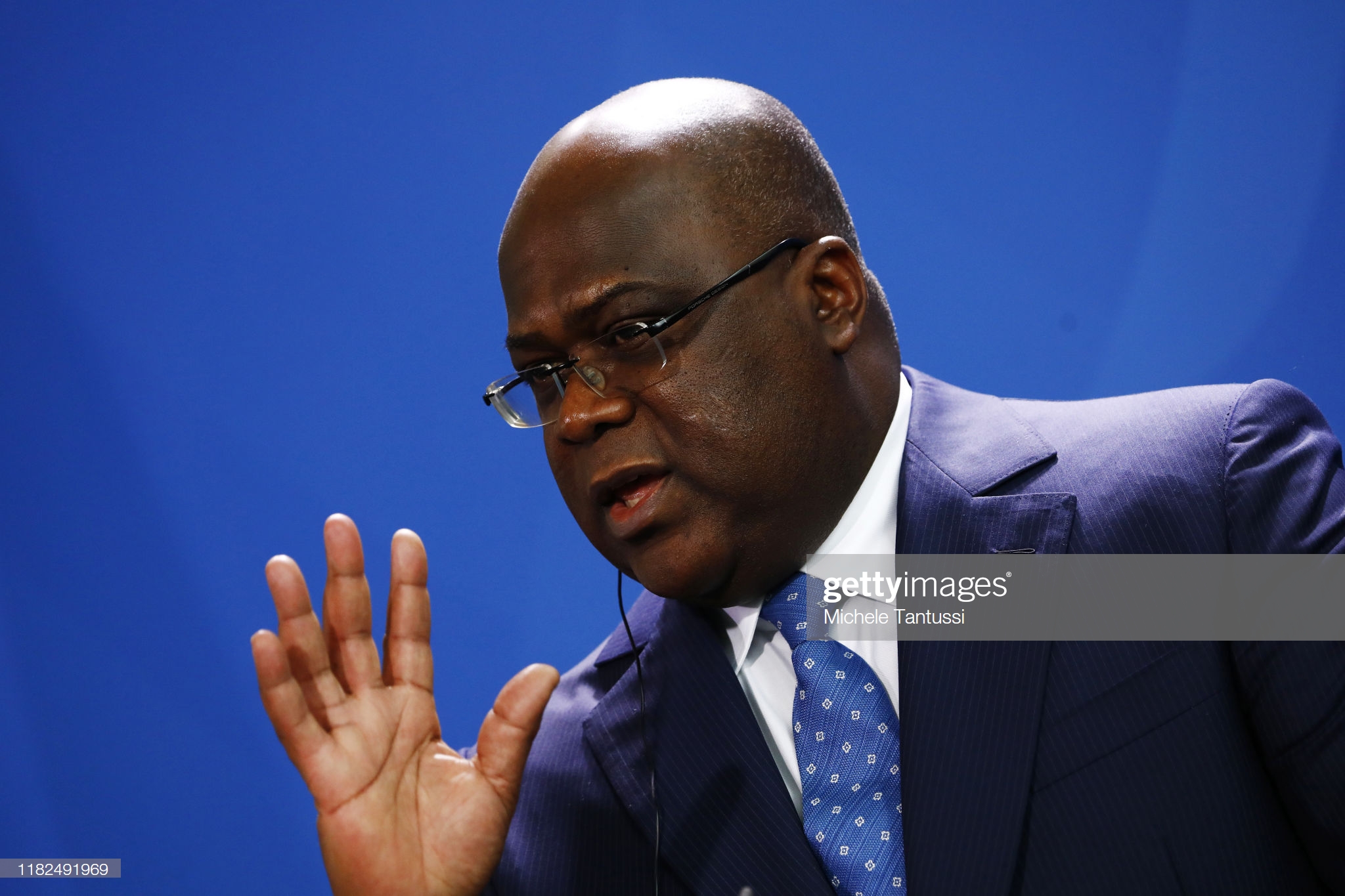
In a significant official visit to Luanda, Angola, President Félix-Antoine Tshisekedi of the Democratic Republic of Congo delivered a profoundly impactful speech, resonating with a rare political force. His Angolan counterpart, João Lourenço, extended a warm welcome to the Congolese leader.
Addressing the 3rd edition of the United Nations Alliance of Civilizations (UNAOC) initiative, the head of state unequivocally condemned the international community’s passivity regarding the severe security challenges plaguing the Eastern DRC. He raised his voice against a global order he perceives as increasingly adrift.
For President Tshisekedi, the ongoing tragedy in Congo transcends a mere regional incident; it exposes a collective failure of international law and order. This is a critical issue for African politics and requires urgent attention.
“we cannot accept the silence of convenience”
Before an audience comprising world leaders, diplomats, and civil society representatives, the Congolese president eschewed diplomatic niceties, instead articulating stark truths about the profound human suffering in his nation:
“We must reject the normalization of war. We cannot be content with fleeting indignation. We cannot accept the silence of convenience, nor can we count victims only to forget them. We cannot allow international law to become a ceremonial language devoid of actual impact.”
This direct appeal specifically targets the lack of decisive action from major powers concerning the Rwandan aggression, which operates under the guise of the M23 rebellion. By emphasizing that peace cannot be reduced to empty rhetoric or a