The rapid rise of artificial intelligence presents Africa with a pivotal question: should the continent prioritize regulation to mitigate risks or embrace innovation to drive progress? While Europe focuses on risk-based frameworks and the United States champions market-driven approaches, African nations are carving out a distinct path. The continent views AI not merely as a technological tool, but as a strategic asset capable of accelerating economic growth, enhancing digital sovereignty, and strengthening cyber resilience. Innovation-led governance for sustainable growth As the European Union implements its AI Act and the United…
Read MoreCategory: Analysis
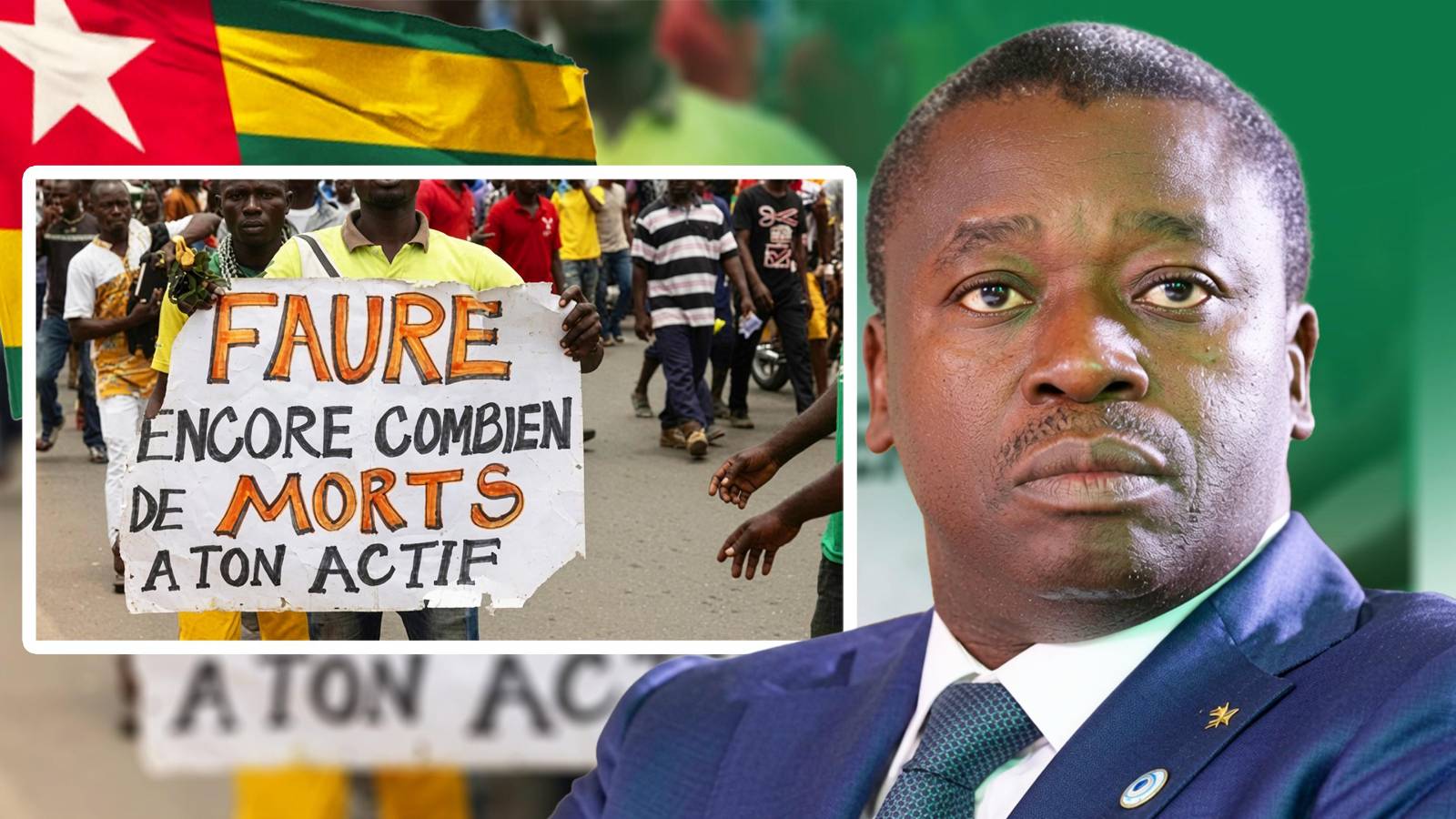
The stark choice facing Togo’s youth: leave to succeed or resign to failure
The unrelenting pressure on Togolese youth For an increasing number of young Togolese, the decision they face is stark and unforgiving: abandon their homeland in pursuit of a dignified existence, or remain trapped in a cycle of dashed aspirations. The growing disillusionment with President Faure Gnassingbé’s leadership has crystallized this dilemma, as two decades of governance have failed to deliver the promise of progress that once sustained hope. The illusion of opportunity versus the reality of stagnation Where previous generations once believed in the possibility of building their futures at…
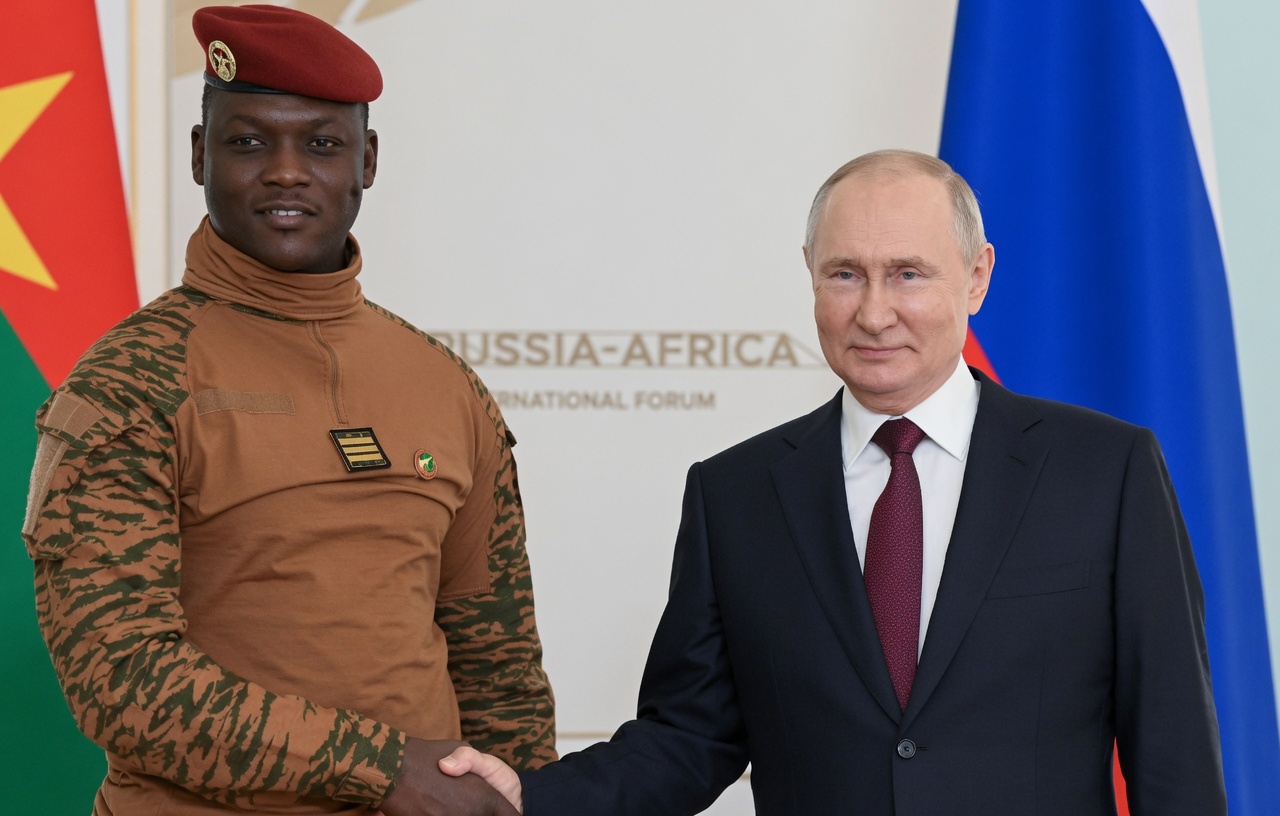
Read MoreBurkina Faso’s Russia ties: a strategic shift with unresolved questions
Ouagadougou’s pivot to Moscow: promises of partnership vs. enduring challenges Since deepening ties with Russia, Burkina Faso’s leadership has framed Moscow as a key ally, emphasizing a collaboration built on mutual respect and political neutrality. Official statements repeatedly describe the relationship as a “win-win” partnership, particularly in advancing the country’s sovereignty and security. Yet beneath the rhetoric of strategic autonomy, critical questions remain about the true impact of this reorientation on Burkina Faso’s future. Sovereignty through diversification: a fragile equation Ouagadougou has justified its growing alignment with Russia as a…
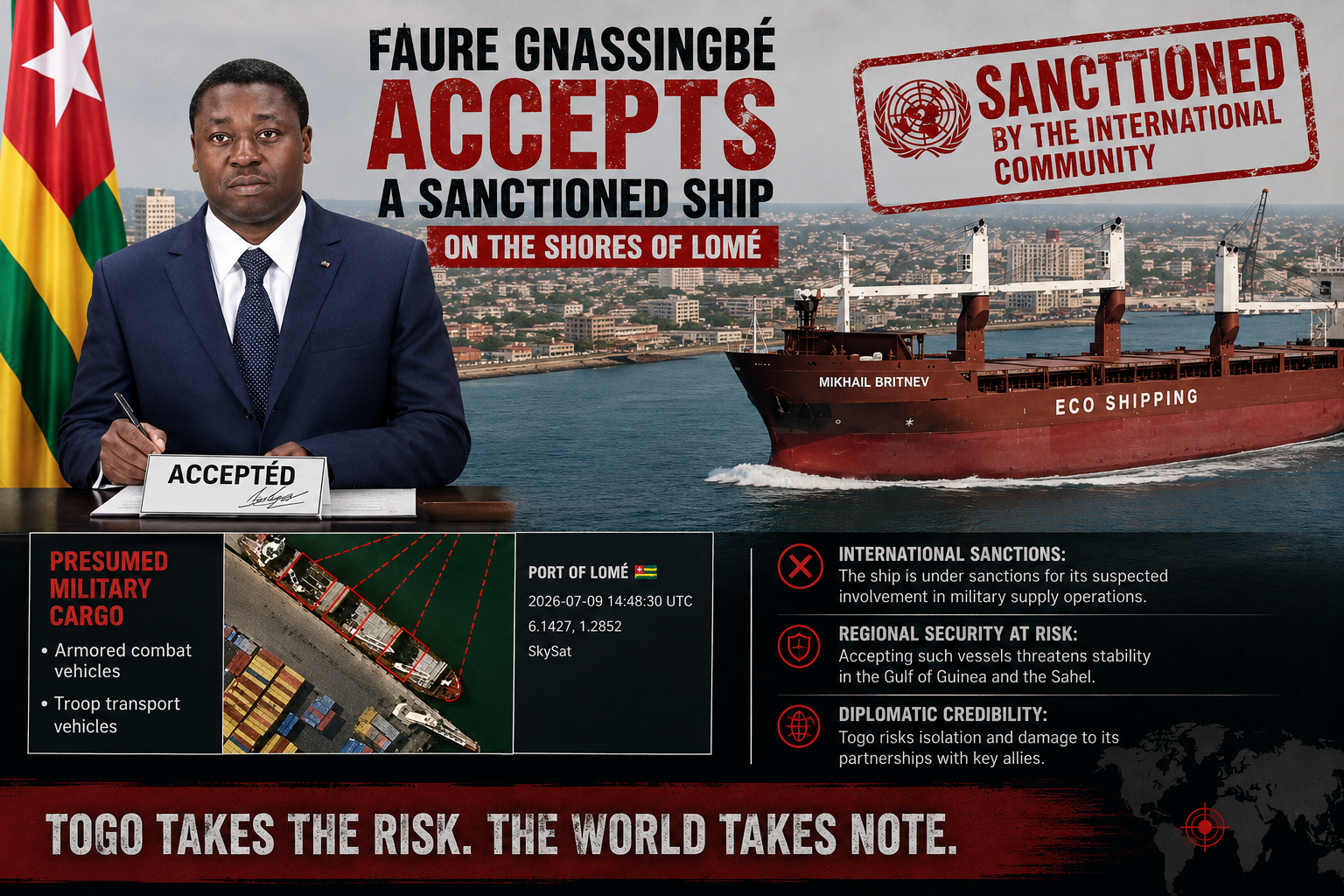
Read MoreTogo’s deepening ties with Russia: a geopolitical pivot under scrutiny
The arrival of the Russian cargo vessel «Mikhail-Britnev» at Lomé port, a ship known to be under international sanctions, coupled with credible reports of several hundred Africa Corps personnel deploying to Togolese territory, has ignited an intense debate regarding Togo’s diplomatic and security trajectory. For many observers, these developments signify an accelerated rapprochement with Moscow, potentially committing the nation to a strategic path with unpredictable and far-reaching consequences. While the Togolese authorities present this collaboration as a necessary response to the escalating security challenge posed by armed groups in the…
Read MoreMorocco’s economic resilience: leveraging global shifts for growth
A la Une Economie Morocco’s economic resilience: leveraging global shifts for growth FacebookXWhatsAppEmailCopy URL A recent policy paper from the Policy Center for the New South offers a detailed examination of Morocco’s economic resilience since the global pandemic. The Kingdom is strategically capitalizing on the restructuring of global value chains and an unprecedented surge in public investment. However, the authors caution against the inherent vulnerabilities of a growth model that remains overly reliant on state intervention and insufficiently supported by the private sector. While many emerging economies continue to struggle…
Read MoreSahel’s human toll under russian-backed security pacts
Sovereignty versus security: the Sahel’s precarious balancing act Moscow has doubled down on its military backing for Mali, Burkina Faso and Niger, a move hailed by the leaders of the Alliance of Sahel States (AES) as a milestone in regaining sovereignty and breaking free from former Western partnerships. Yet beneath the rhetoric of emancipation lies a stark reality: violence has intensified, and civilians are bearing the heaviest burden. A promised security shift that has yet to materialize The core argument put forward by AES authorities was straightforward: severing ties with…
Read MoreBurkina Faso trades gold for wheat in russian deal
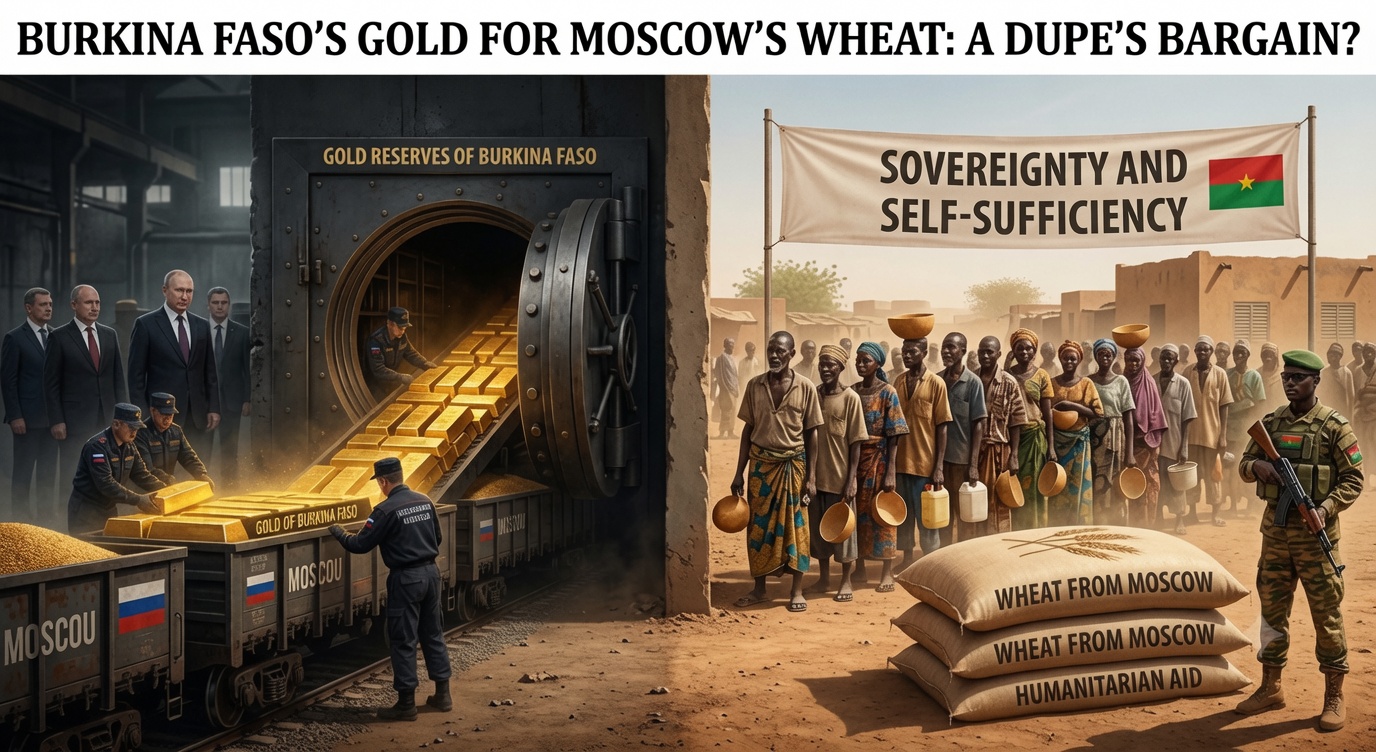
From rhetoric to reality: the paradox of sovereignty in Burkina Faso In Ouagadougou, the official discourse champions a narrative of “reclaimed sovereignty,” yet the actions of the transitional authorities tell a different story. While the government restricts local initiatives and non-governmental organizations from aiding the most vulnerable citizens under the guise of regulating humanitarian assistance, it simultaneously extends an open hand to Moscow for emergency food supplies. The recent visit by Russia’s Foreign Minister laid bare the stark contradictions of this so-called “cooperation.” A transaction of unequal partners During closed-door…
Read MoreInside the malian customs reshuffle: politics or reform?
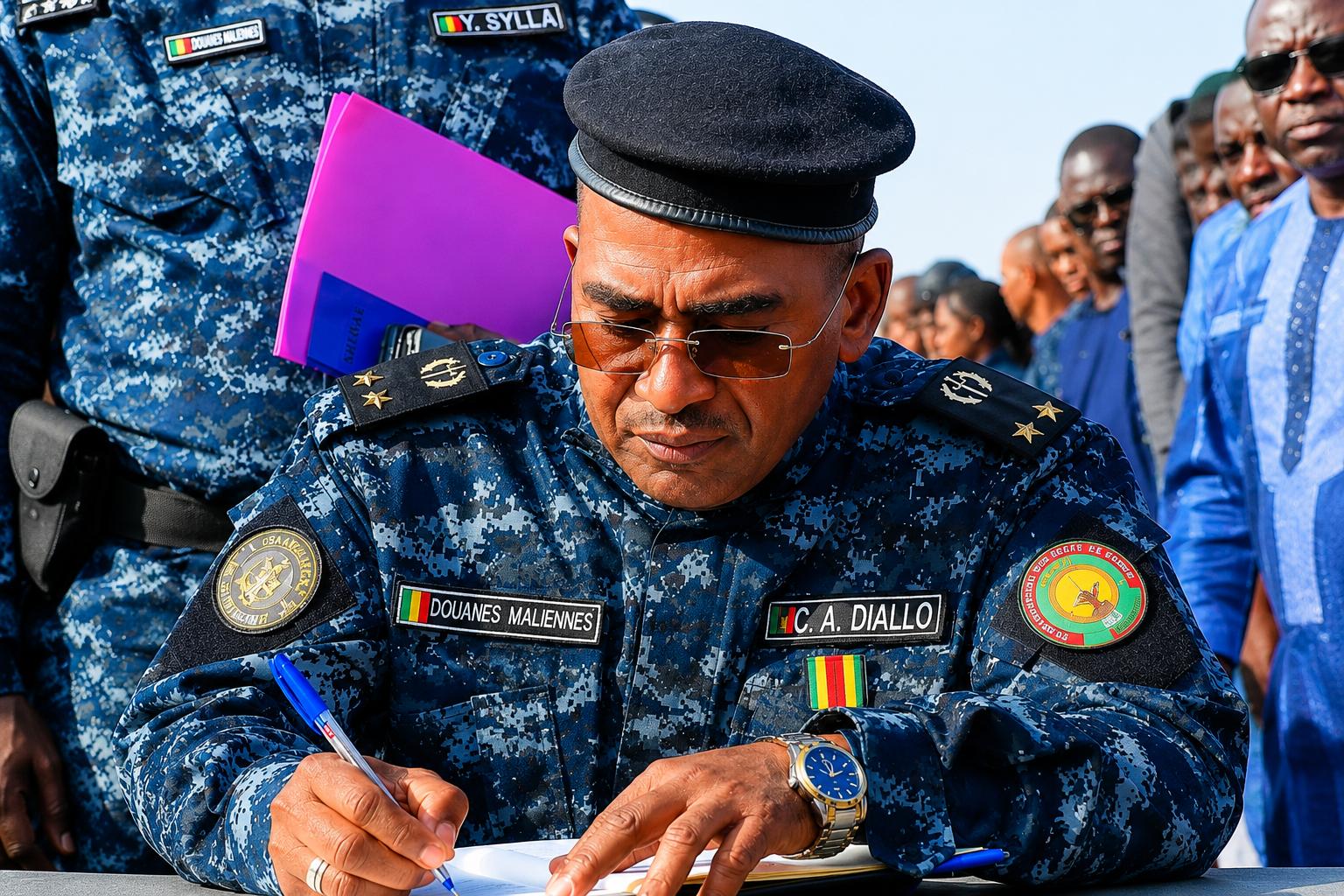
The Direction Générale des Douanes du Mali is not just a tax-collecting body—it is a high-stakes arena where every appointment sends ripples through the corridors of political and economic power. A sweeping wave of transfers and promotions has recently rocked the institution, renewing debates that stretch far beyond official statements. In his latest analysis, journalist and commentator Fousseyni Sissoko dissects this institutional upheaval, asking a pointed question: Is this a genuine restructuring exercise or a covert power play? Beyond the official narrative: the story behind the reshuffle The government and…
Read MoreCivil leadership under military rule in Niger: the fragile position of ali mahamane lamine zeine
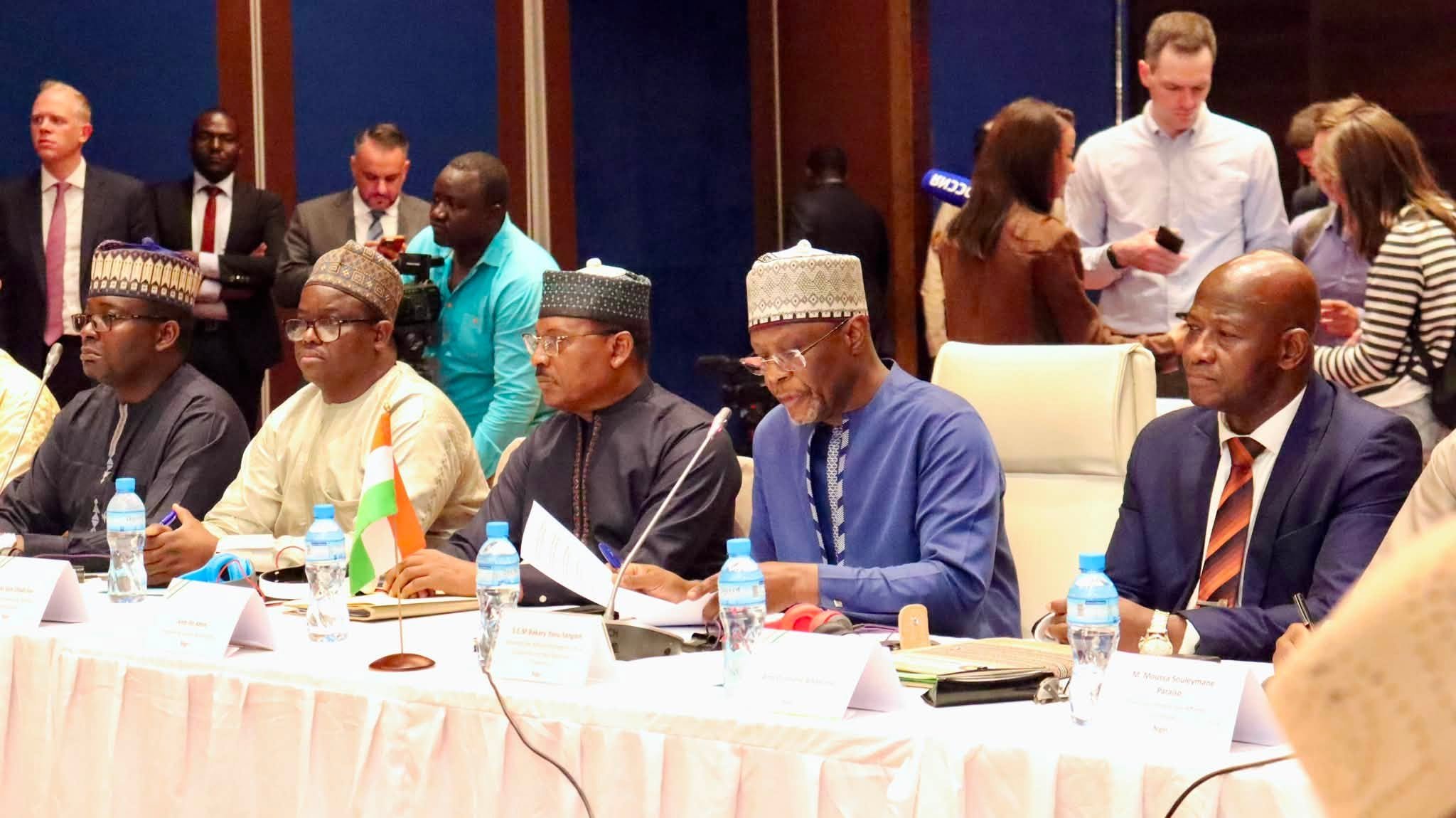
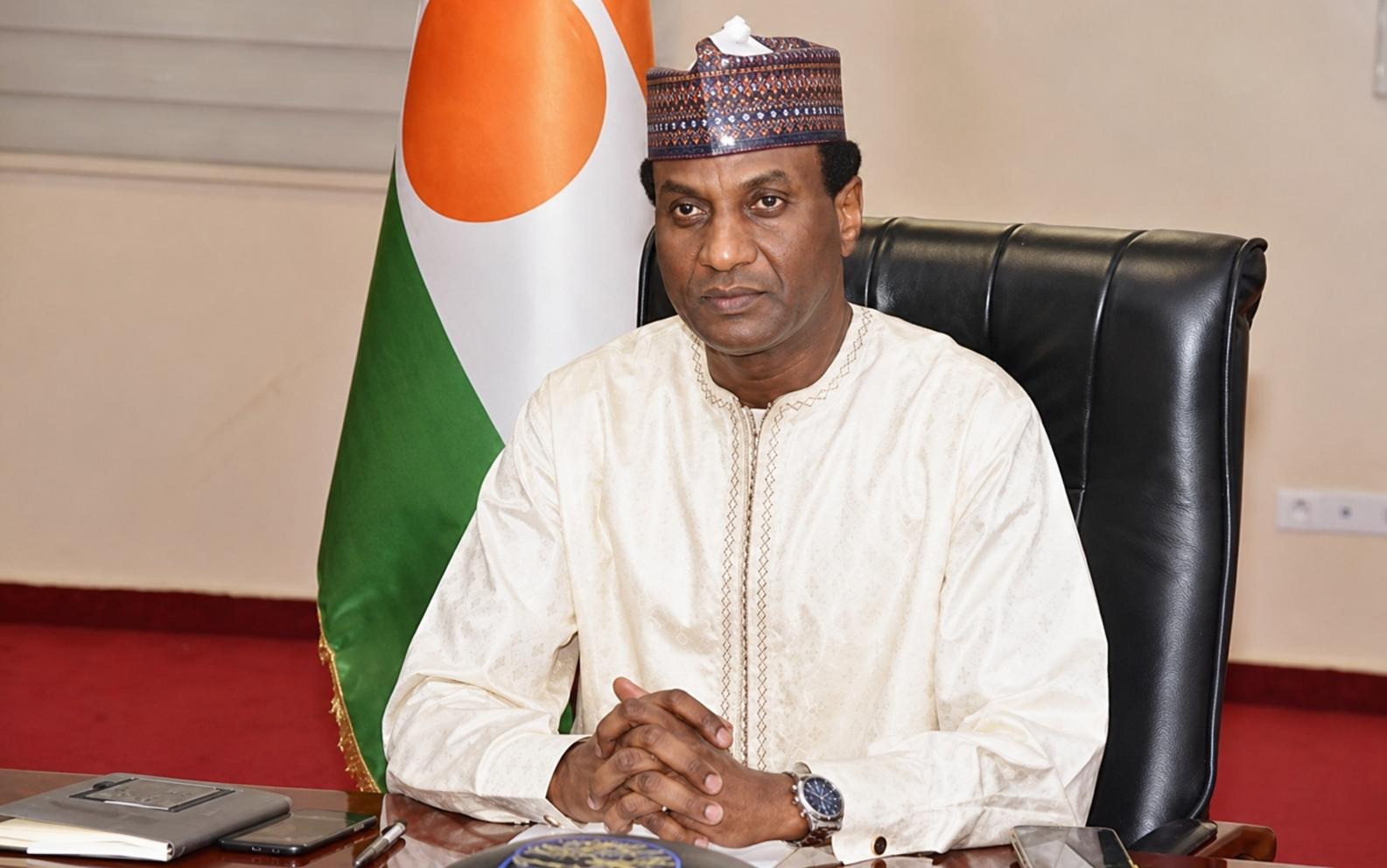
From trusted advisor to restricted figure: the shifting fortunes of Niger’s transitional prime minister In the shifting sands of post-coup governance, the line between influence and exclusion can blur without warning. In Niger, recent developments surrounding Prime Minister Ali Mahamane Lamine Zeine have reignited concerns about the precarious standing of civilian leaders within military-dominated regimes. What began as routine administrative measures now casts a longer shadow over his leadership. A tightening grip on authority Whispers from within the corridors of the transitional government have intensified, painting a picture of growing…
Read MoreDiplomatic accolade masks underlying economic trade-offs between Togo and Burkina Faso
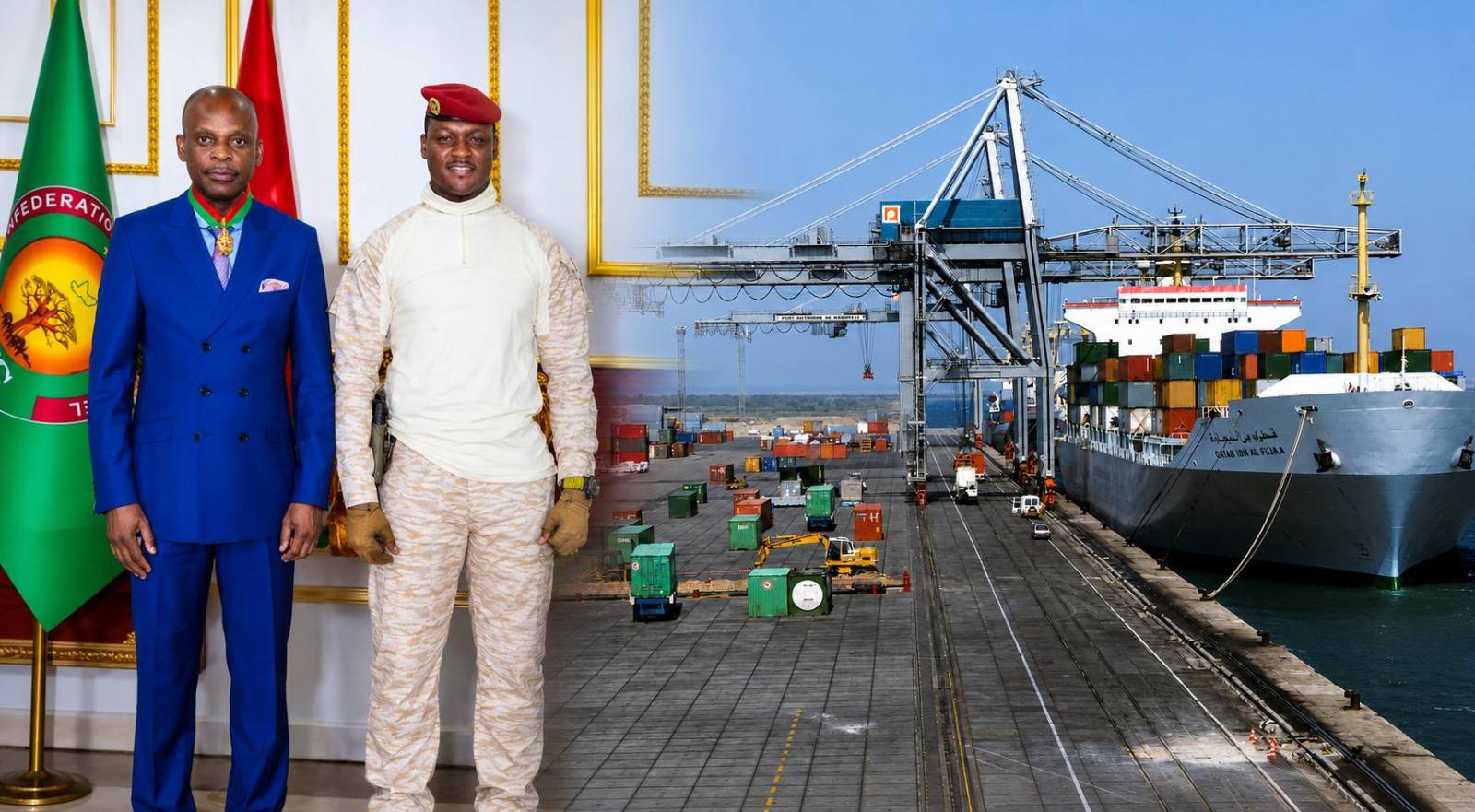
The Symbolism and Substance of Togo’s Highest Diplomatic Honor In a recent diplomatic gesture, the Minister of Foreign Affairs of Togo was bestowed with the Commander of the Order of the Stallion, Burkina Faso’s preeminent national honor. While official channels frame this accolade as a testament to Lomé’s dedication to an “open, solidaristic, and neighborly diplomacy,” the underlying political landscape reveals a far more pragmatic—and less flattering—reality. The Calculus Behind Diplomatic Recognition Diplomatic honors often serve as more than mere ceremonial gestures; they can signal strategic alliances or convey subtle…
Read MoreGabon and China: understanding the ccp’s role in a shared future
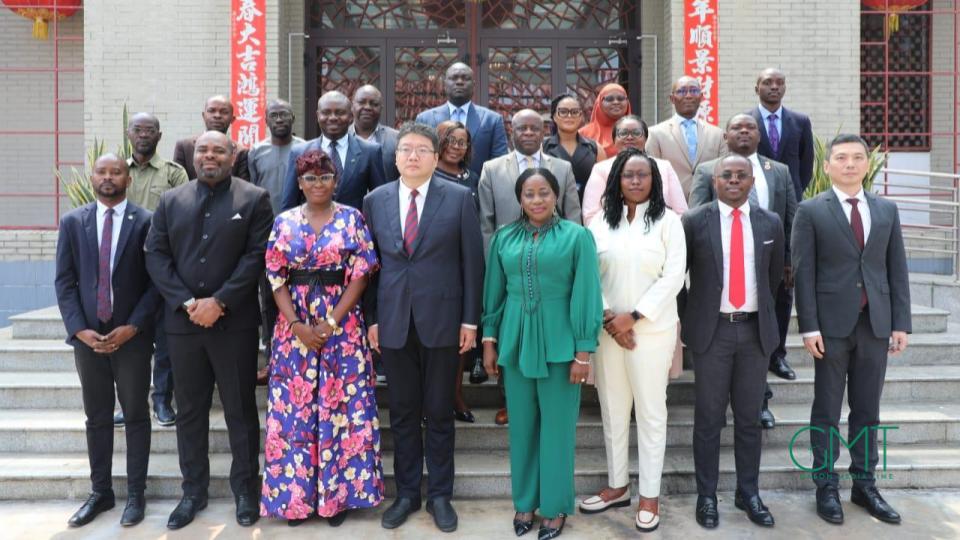
Commemorating the 105th anniversary of the Chinese Communist Party (CCP)’s founding, the Chinese Embassy in Gabon hosted a significant press conference. The event aimed to illuminate the trajectory of an organization that has become a pivotal global player. Addressing journalists and esteemed guests, Chinese diplomats underscored the historical journey of a party credited with profoundly reshaping its nation’s destiny. Within a mere few decades, China achieved breathtaking industrialization, manifesting a dual marvel of swift economic progress and enduring societal stability. To truly grasp contemporary China, an understanding of the CCP’s…
Read MoreCameroon’s inflation landscape: regional disparities persist despite national moderation
While disinflation appears to be taking hold across Cameroon, the national average conceals significant regional price disparities. My recent analysis of the National Institute of Statistics (INS) report for May 2026 reveals that five out of ten regional capitals are experiencing inflation rates above the 3% tolerance threshold set for the CEMAC zone, which includes Cameroon, Congo, Gabon, Equatorial Guinea, Chad, and the Central African Republic. Nationally, the inflation indicator stood at 2.7%, a notable decrease from the 3.3% recorded twelve months prior. Cameroon’s regional inflation: a tale of two…
Read More