Africa’s path to pharmaceutical sovereignty and health independence
For decades, most African nations have relied on imported medications to meet the health needs of their populations. In this commentary, pharmacist and engineer Dr. Arnaud Kaboré outlines a strategic roadmap for African policymakers to achieve full pharmaceutical sovereignty by 2045.
Why Africa’s drug dependence poses a critical health risk
Despite progress, fewer than five African countries currently operate pharmaceutical manufacturing plants capable of exporting beyond their borders. This leaves the continent importing a staggering 94% of its medicines, with annual costs exceeding $18 billion—a figure projected to surge past $30 billion by 2030. Beyond financial strain, this overreliance exposes Africa’s health security to external vulnerabilities.
Data reveals that over 70% of public health facilities across Africa experience critical stockouts at least once per quarter. Is it sustainable for 1.4 billion Africans to depend almost entirely on industrial, logistical, and geopolitical decisions made outside the continent? The COVID-19 pandemic exposed the fragility of this model, with shortages of essential drugs like amoxicillin, insulin, and anesthetics disrupting care. Even life-saving innovations in cancer treatment remain inaccessible due to prohibitive costs and supply chain bottlenecks. Yet, Africa possesses untapped potential:
- A rapidly expanding market: Africa’s pharmaceutical sector could exceed $70 billion by 2030.
- A rich biodiversity: Over 5,400 medicinal plants, some already validated in official therapeutic protocols.
- Progressive regulatory momentum: The African Medicines Agency (AMA), ratified by 27 countries, is standardizing pharmaceutical norms.
- Political commitment: Countries such as Burkina Faso, Rwanda, Egypt, Morocco, Senegal, and South Africa have launched ambitious local production initiatives.
Rebuilding Africa’s health sector: a sustainable pharmaceutical future
A key misstep has been attempting to replicate the models of multinational pharmaceutical giants without establishing foundational capacities or local value chains. Industrialization cannot be achieved by importing equipment alone—it demands investing in human capital, technical expertise, and domestic industrial assets.
Past strategies focused on importing machinery without parallel development of local skills or supply chains have led to higher production costs, persistent reliance on foreign raw materials, and failed sovereignty ambitions. True pharmaceutical industrialization in Africa requires rigorous, long-term vision and methodology tailored to the continent’s unique needs.
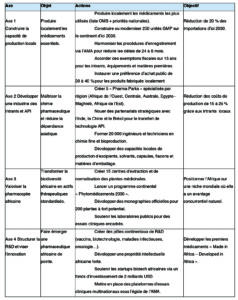
To build a resilient pharmaceutical industry, Africa must leverage its strengths: a growing market, medicinal biodiversity, regulatory progress, and unwavering political will. This commentary proposes a clear, actionable roadmap for public leaders to reclaim health sovereignty by 2045. The goal is unambiguous: produce locally to heal locally—and eventually, to heal the world.
Dr. Arnaud Kaboré
Pharmacist and Senior Health Sector Executive