Diplomatic accolade masks underlying economic trade-offs between Togo and Burkina Faso
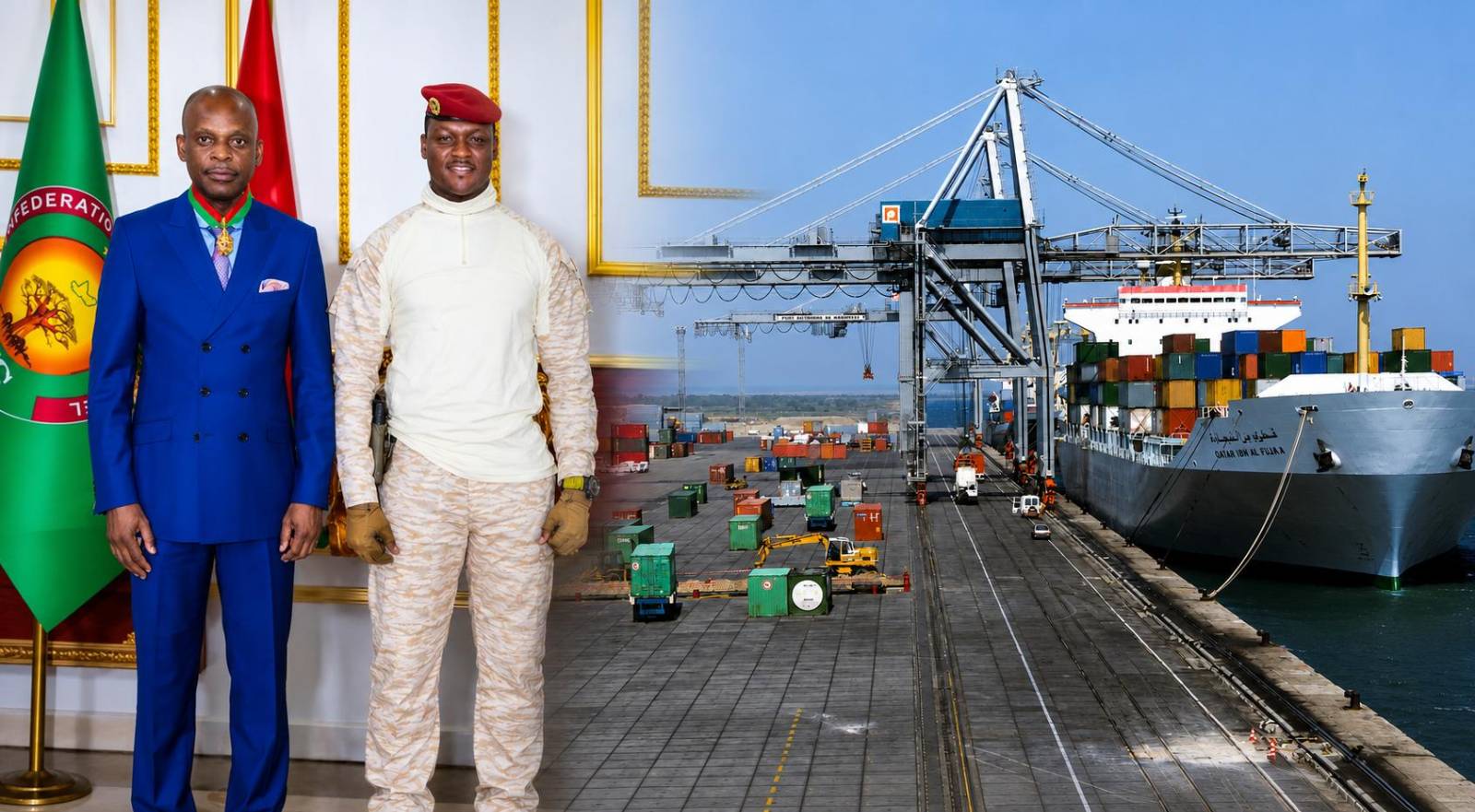
The Symbolism and Substance of Togo’s Highest Diplomatic Honor In a recent diplomatic gesture, the Minister of Foreign Affairs of Togo was bestowed with the Commander of the Order of the Stallion, Burkina Faso’s preeminent national honor. While official channels frame this accolade as a testament to Lomé’s dedication to an “open, solidaristic, and neighborly diplomacy,” the underlying political landscape reveals a far more pragmatic—and less flattering—reality. The Calculus Behind Diplomatic Recognition Diplomatic honors often serve as more than mere ceremonial gestures; they can signal strategic alliances or convey subtle…

Read More

Gabon and China: understanding the ccp’s role in a shared future

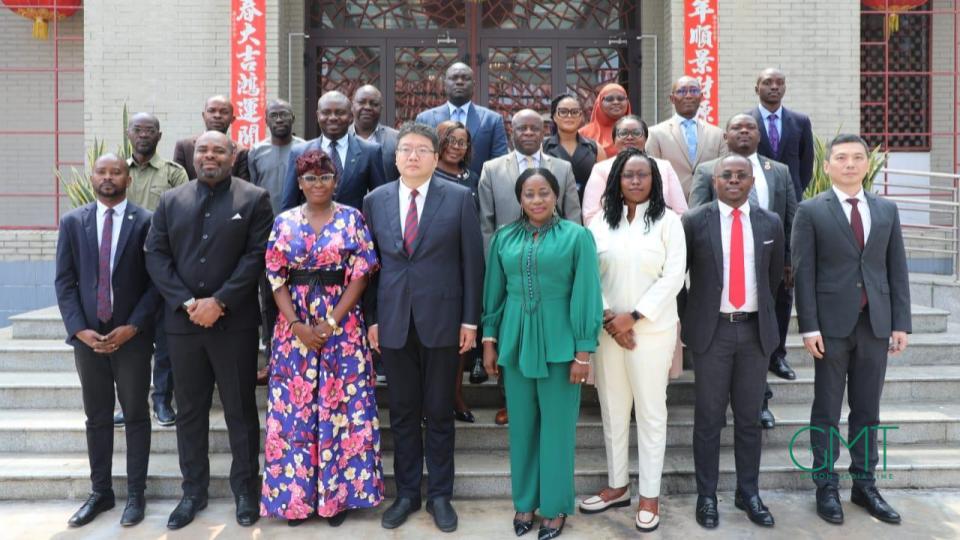
Commemorating the 105th anniversary of the Chinese Communist Party (CCP)’s founding, the Chinese Embassy in Gabon hosted a significant press conference. The event aimed to illuminate the trajectory of an organization that has become a pivotal global player. Addressing journalists and esteemed guests, Chinese diplomats underscored the historical journey of a party credited with profoundly reshaping its nation’s destiny. Within a mere few decades, China achieved breathtaking industrialization, manifesting a dual marvel of swift economic progress and enduring societal stability. To truly grasp contemporary China, an understanding of the CCP’s…

Read More

Cameroon’s inflation landscape: regional disparities persist despite national moderation

While disinflation appears to be taking hold across Cameroon, the national average conceals significant regional price disparities. My recent analysis of the National Institute of Statistics (INS) report for May 2026 reveals that five out of ten regional capitals are experiencing inflation rates above the 3% tolerance threshold set for the CEMAC zone, which includes Cameroon, Congo, Gabon, Equatorial Guinea, Chad, and the Central African Republic. Nationally, the inflation indicator stood at 2.7%, a notable decrease from the 3.3% recorded twelve months prior. Cameroon’s regional inflation: a tale of two…

Read More

Gabon’s new economic framework: navigating debt, oil, and inflation for fiscal stability

How can a nation effectively foresee the repercussions of a sudden drop in oil prices, a surge in inflation, or an escalating public debt burden before these factors destabilize state finances? This critical inquiry forms the core objective of the innovative macroeconomic model that the International Monetary Fund (FMI) is currently developing specifically for Gabon. Unveiled in a technical assistance report published in December 2025, this sophisticated projection tool is designed to empower Gabon’s Ministry of Economy and Budget. It will enable officials to rigorously test various economic scenarios and…

Read More

Processus de paix RDC-Rwanda : Jason Stearns dénonce une « impasse » et l’absence de stratégie globale de Washington

Breaking News Politique: Bujumbura : « La seule demande d’Évariste Ndayishimiye a été que nous soyons flexibles et acceptions le dialogue » ⠀ ⠀ Sécurité: Processus de paix RDC-Rwanda : Jason Stearns dénonce une « impasse » et l’absence de stratégie globale de Washington⠀ ⠀ Société: Bunkeya : En fervent défenseur de la culture locale, TFM célèbre la fête du trône du Mwami Munongo⠀ ⠀ Sport: Football: Charles Pickel signe à Sharjah FC après une saison à l’Espanyol⠀ ⠀ Politique: Manifestation du 22 juillet: “nous avons dit au président Évariste Ndayishimiye que…

Read More

Sahel juntas struggle as JNIM expands grip despite alliance rhetoric

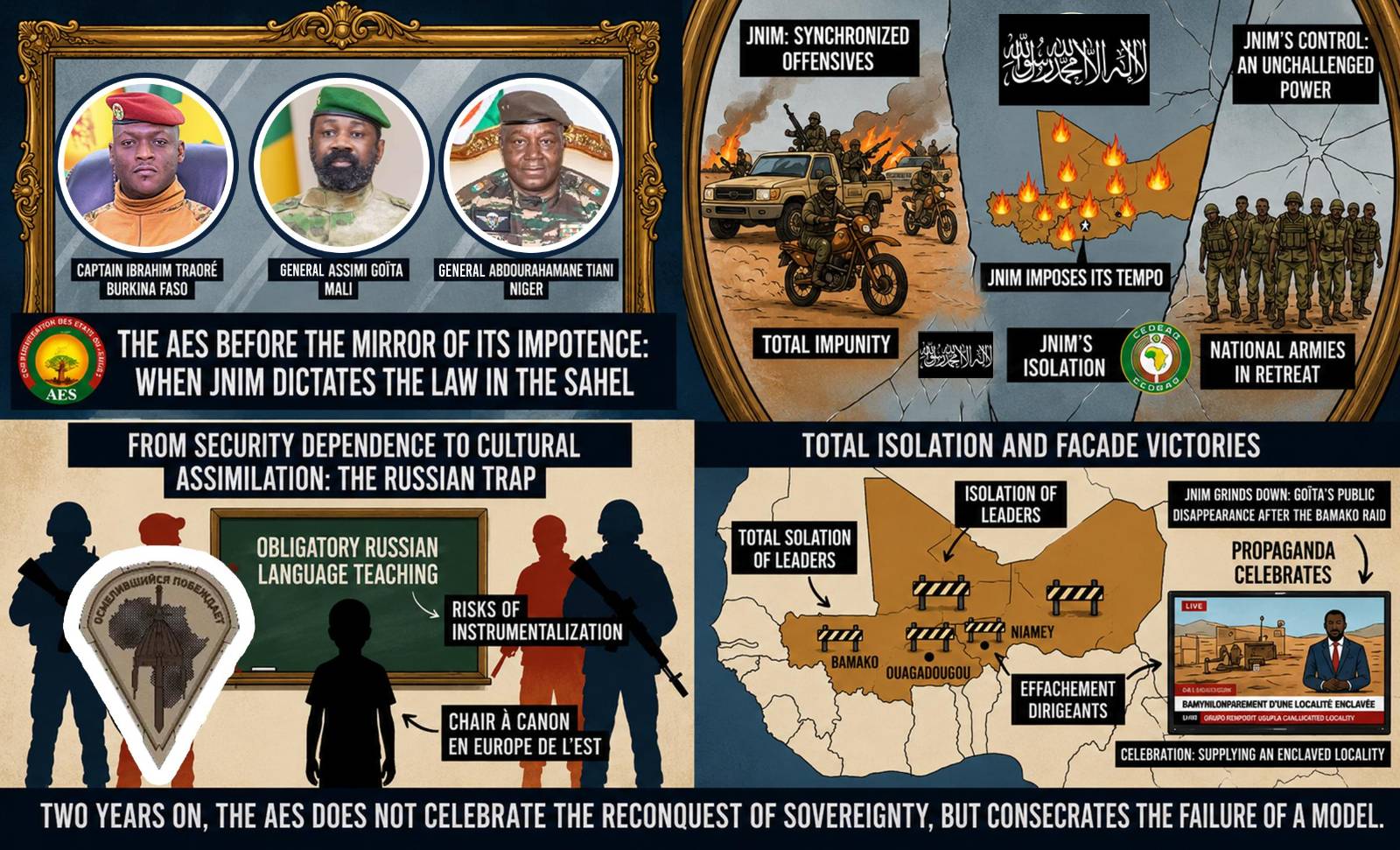
The Alliance of Sahel States: sovereignty claims crumble under terror pressure Two years after the Alliance of Sahel States (AES) emerged with bold declarations of self-reliance, the reality facing Mali, Burkina Faso and Niger tells a starkly different story. Behind the fiery speeches of juntas in Bamako, Ouagadougou and Niamey, one armed force continues to dictate the pace of conflict: the Support Group for Islam and Muslims (JNIM). Despite theoretical intelligence-sharing agreements and full alignment with Moscow, the AES has failed to counter the coordinated, large-scale offensives of this terrorist…

Read More

AES at two years: triumphant claims meet security realities in Mali

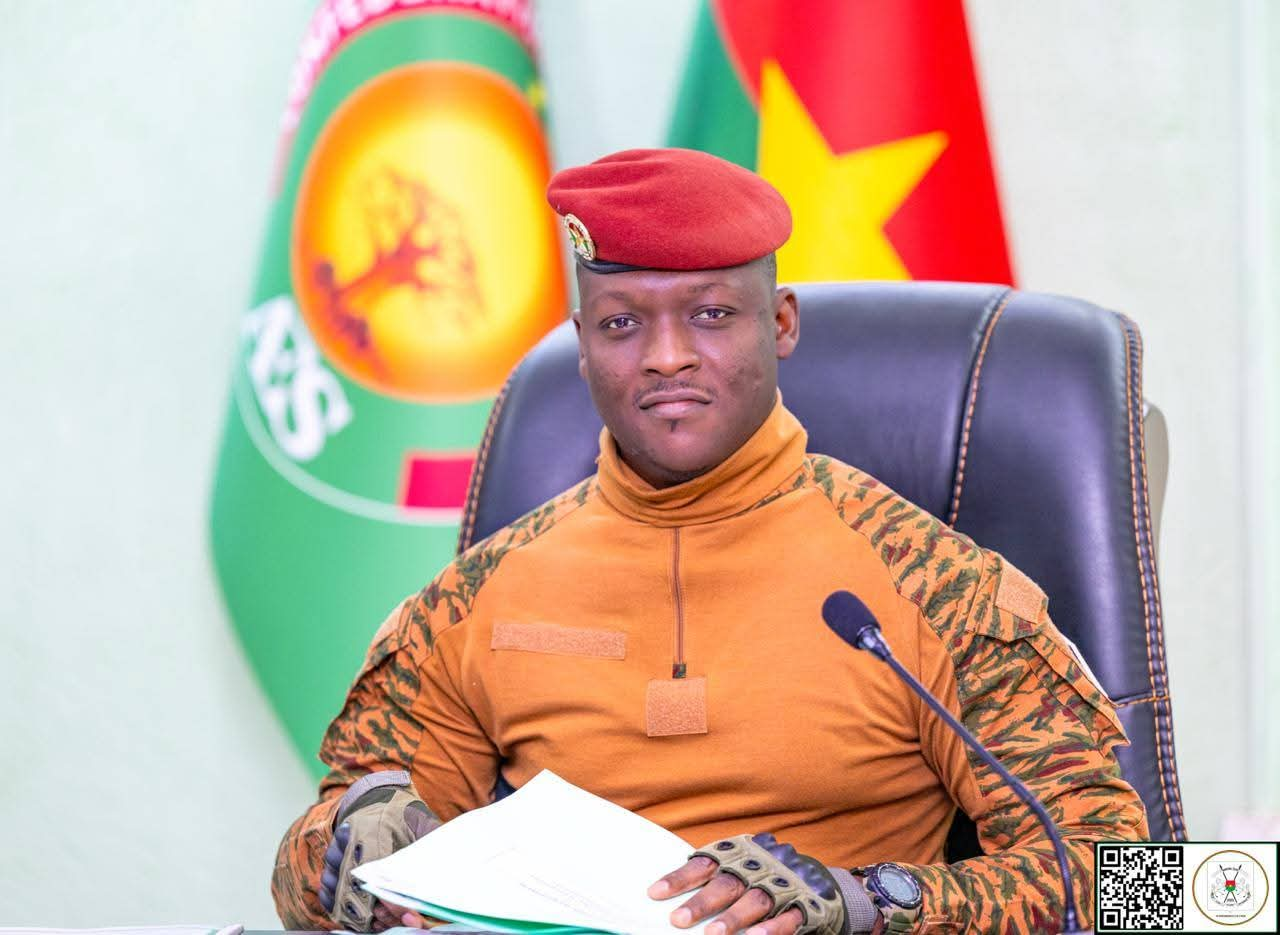
Marking its second anniversary on July 6, 2026, the Alliance of Sahel States (AES) heard its current leader, Captain Ibrahim Traoré of Burkina Faso, deliver a decidedly assertive address. The Burkinabè head of state presented what he deemed a largely positive assessment and articulated lofty ambitions for the future of the organization, which unites Burkina Faso, Mali, and Niger. Yet, beneath the determined tone of this speech, significant questions persist regarding the confederation’s actual capacity to translate its promises into concrete achievements, a critical aspect for West Africa news and…

Read More

Mali confronts dual security threats in north and near capital

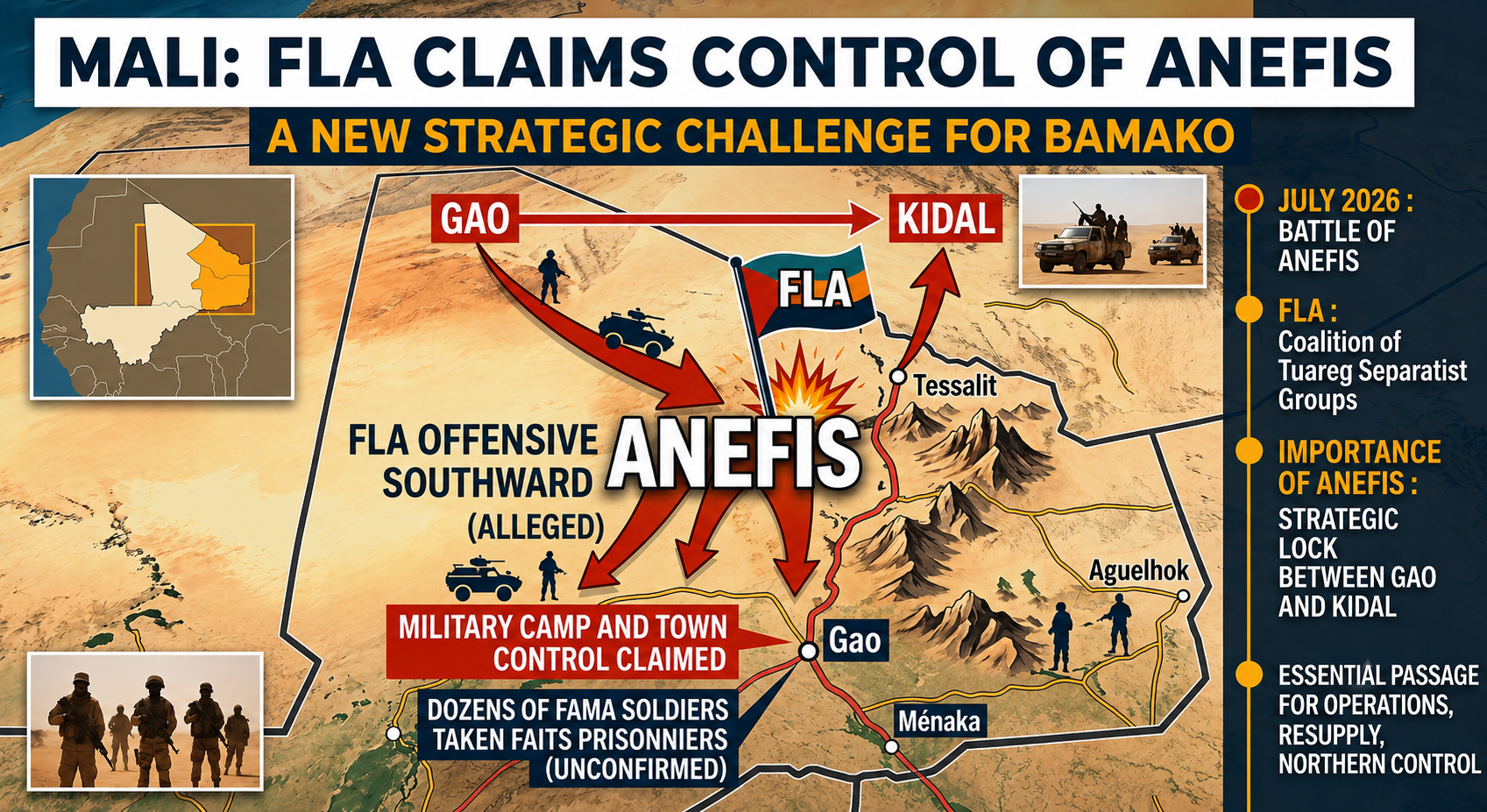
Saturday, July 4, 2026, witnessed a significant military escalation in northern Mali, specifically around Anefis, a strategically vital town positioned on the critical artery connecting Gao and Kidal. The Front de libération de l’Azawad (FLA), an alliance of Tuareg separatist factions, asserted its control over both the local military camp and the town itself, following an offensive against Malian armed forces. The separatist movement claimed that dozens of Malian soldiers were captured during these clashes. However, these assertions remain unverified by independent sources, as Malian authorities have yet to issue…

Read More

Burkina Faso’s russian language initiative: cultural diplomacy or precursor to new influence?

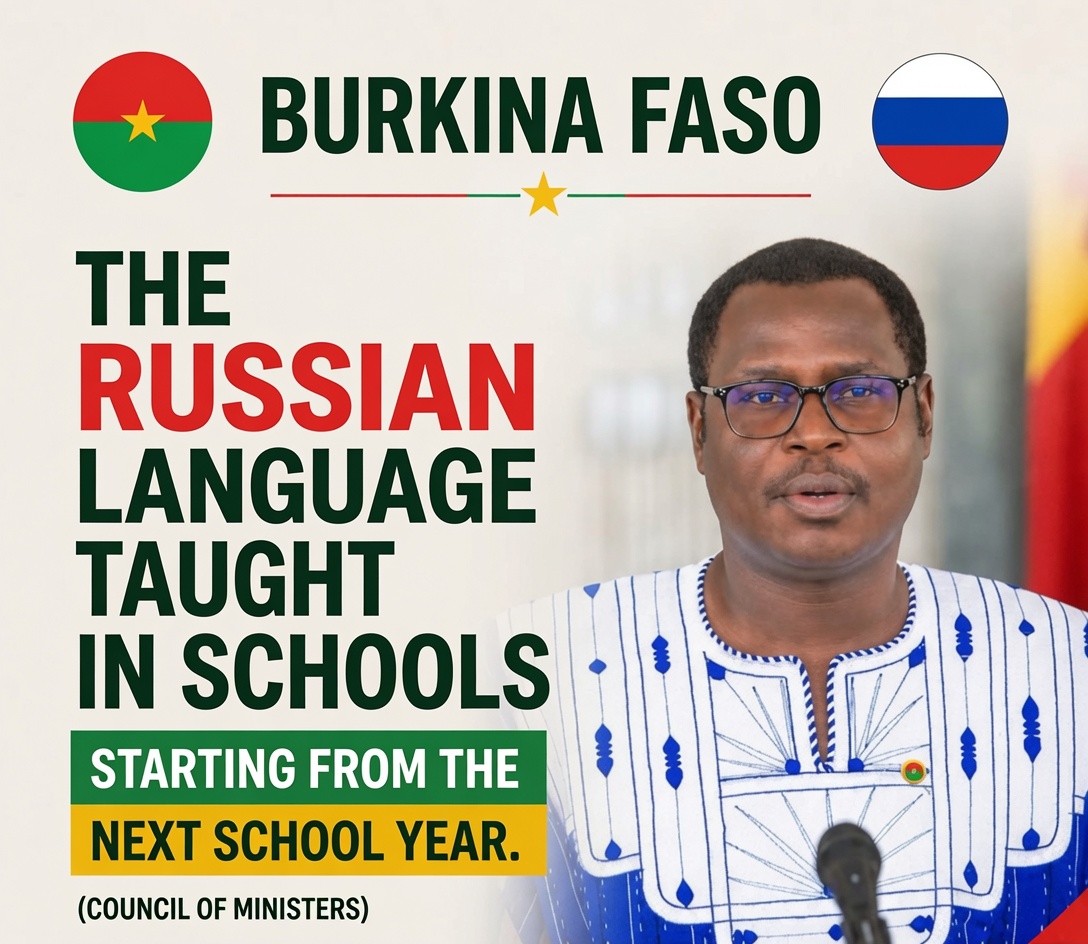
A pivotal decision by Burkina Faso’s transitional government marks a profound shift in the nation’s strategic alliances. Through a decree adopted by the Council of Ministers, the Russian language is set to be integrated into the Burkinabè school system starting next academic year. While officially presented as an opportunity for cultural and economic broadening, this measure has ignited a significant debate and raised serious apprehensions regarding the true motivations behind the announcement. What is the actual intent behind this new adoption? Proponents of the current administration offer a pragmatic, forward-looking…

Read More

Burkina Faso: the silence surrounding oumarou yabré fuels speculation on leadership shifts

The political landscape within Burkina Faso continues to generate considerable discussion, particularly concerning the internal workings of its most critical decision-making bodies. Over recent weeks, the notable and extended absence of Commander Oumarou Yabré, who leads the nation’s intelligence services, has ignited a flurry of commentary and conjecture across political circles and digital platforms. While no official statement has been issued to clarify this discreet posture, it unfolds against a backdrop where matters of security governance remain paramount. Observations from various sources and analysts point to emerging questions regarding a…

Read More

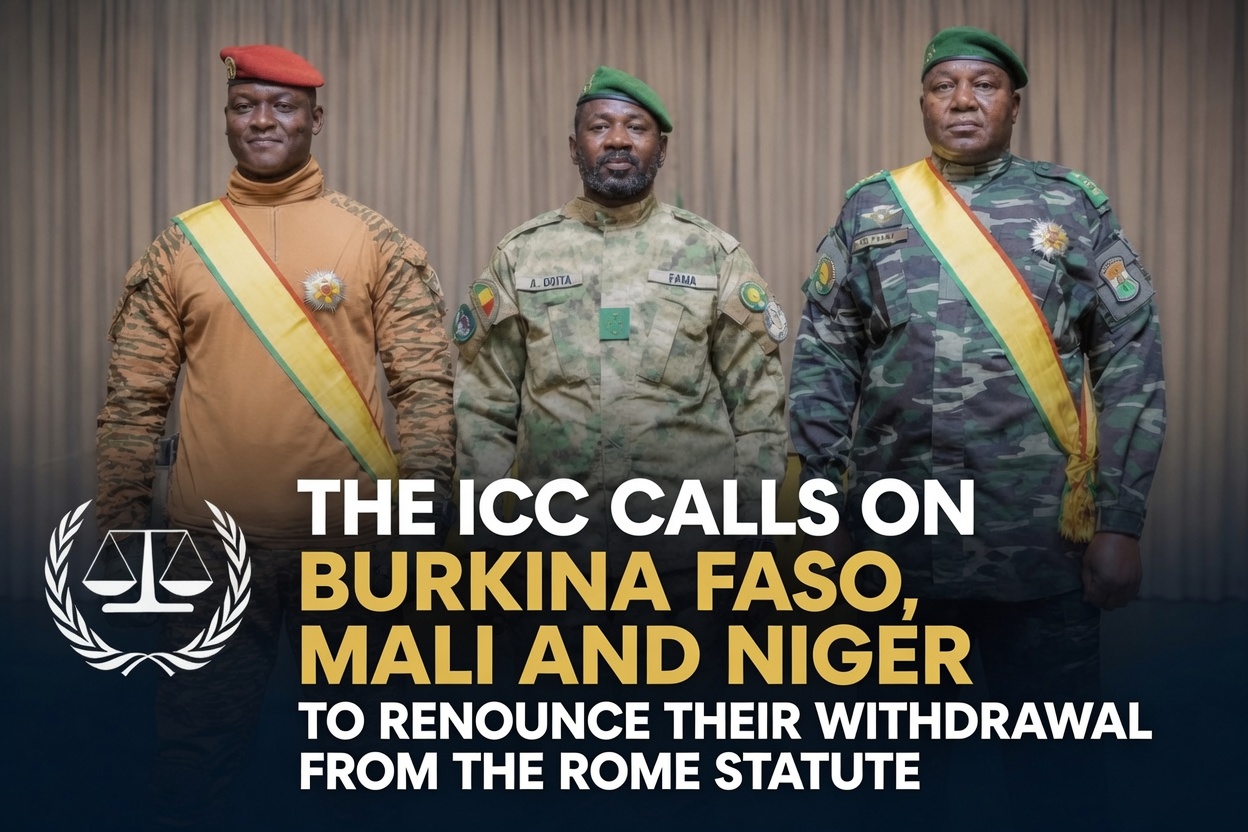
The icc urges Burkina Faso, Mali, and Niger to reconsider rome statute withdrawal

The International Criminal Court (ICC) has issued a direct appeal to Burkina Faso, Mali, and Niger, urging them to reconsider their announced withdrawal from the Rome Statute, the foundational treaty establishing the global judicial body. This significant intervention by the ICC unfolds amidst a period of considerable political and diplomatic realignment within the Alliance of Sahel States (AES) and broader African politics. The ICC maintains that the continued adherence of these three nations to the Rome Statute is crucial for upholding the ongoing battle against impunity. The international tribunal reiterates…

Read More

A proposal for an extraterrestrial embassy ignites debate in Burkina Faso

A recent proposal by a Burkinabè movement to establish an “embassy for extraterrestrials” has ignited a wave of controversy across the country. The initiative, which claims such a move would bolster national sovereignty, has become a focal point of intense discussion on social media, highlighting the current state of public and political discourse in Burkina Faso. A disconnect from national emergencies Critics have been quick to point out the stark contrast between this unusual proposal and the pressing challenges facing the nation. With Burkina Faso currently grappling with significant security…

Read More