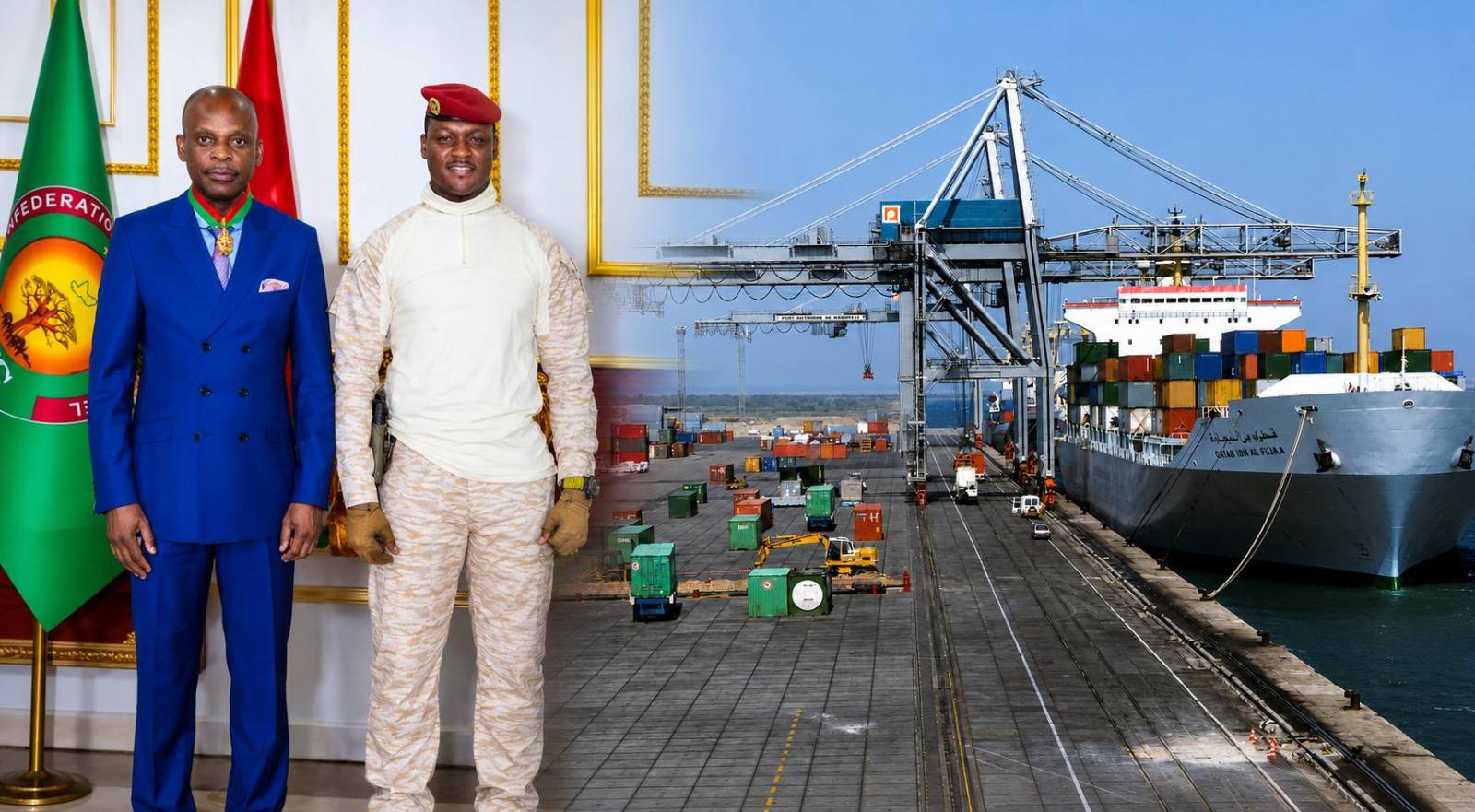
The Symbolism and Substance of Togo’s Highest Diplomatic Honor
In a recent diplomatic gesture, the Minister of Foreign Affairs of Togo was bestowed with the Commander of the Order of the Stallion, Burkina Faso’s preeminent national honor. While official channels frame this accolade as a testament to Lomé’s dedication to an “open, solidaristic, and neighborly diplomacy,” the underlying political landscape reveals a far more pragmatic—and less flattering—reality.
The Calculus Behind Diplomatic Recognition
Diplomatic honors often serve as more than mere ceremonial gestures; they can signal strategic alliances or convey subtle political messages to regional stakeholders. In this case, the conferment raises a critical question: was this distinction awarded in recognition of principled diplomacy, or was it a calculated move to strengthen ties amid shared geopolitical and economic challenges?
Behind the scenes, many analysts view this honor as the culmination of a carefully orchestrated geopolitical maneuver. The timing of this diplomatic thaw follows a contentious episode that tested relations between the two nations. Togo’s government, under President Faure Gnassingbé, had briefly granted asylum to former Burkina Faso President Roch Marc Christian Kaboré—a decision that was swiftly reversed when economic considerations took precedence.
Economic Interdependence and Strategic Calculations
The Togolese administration’s stance on regional solidarity appears to be conditional, particularly when weighed against economic opportunities. By extraditing or isolating Kaboré, Lomé prioritized its own economic interests, securing lucrative trade agreements with Ouagadougou. The primary objective? To solidify contracts ensuring the seamless transit of Burkinabé goods and merchandise through the Port Autonome de Lomé (PAL), a vital hub for Burkina Faso’s maritime trade.
This interdependence is not one-sided. Burkina Faso, a landlocked nation, relies heavily on Togo’s port infrastructure for imports and exports. Conversely, the PAL generates substantial revenue for Togo through regional transit fees. The mutual benefits of this arrangement have fostered a diplomatic rapprochement that, while beneficial to both capitals, raises ethical questions about the prioritization of commerce over humanitarian considerations.
In essence, Lomé’s so-called “neighborly diplomacy” has been recalibrated into a transactional framework, where political asylum is bartered for logistical concessions—a clear departure from the rhetoric of solidarity championed in public discourse.
A Diplomatic Landscape Shaped by Pragmatism
The timing of this honor coincides with ongoing regional concerns over governance, political freedoms, and human rights. Critics argue that this distinction reflects a convergence of strategic interests rather than a commendation of democratic values or ethical cooperation. The episode underscores a broader trend in West African diplomacy, where economic and security imperatives increasingly overshadow traditional diplomatic principles.
Alliances in the subregion are now forged at the intersection of trade flows, logistical needs, and security imperatives, often relegating moral and ideological commitments to the periphery. The contrast between official narratives and on-the-ground realities has eroded public trust, particularly among those who question the authenticity of solidarity-driven diplomacy.
The Dissonance Between Rhetoric and Reality
Government officials frame this distinction as proof of a robust and exemplary bilateral relationship. However, this narrative collides with the skepticism of observers who demand transparency regarding the tangible benefits of this diplomatic thaw. When diplomatic decisions are so overtly tied to economic gains, the credibility of appeals to African solidarity and shared values inevitably wanes.Ultimately, this honor encapsulates a diplomatic paradigm where raison d’État—national interest—trumps ideological consistency. States increasingly prioritize economic exchanges, strategic partnerships, and political stability, even if it means sacrificing ethical principles or the moral obligations of asylum. The disparity between Lomé and Ouagadougou’s public declarations and their behind-the-scenes actions has fueled debates about the true nature of their relationship.
Beneath the veneer of camaraderie and the gleam of medals lies a stark pragmatism. This distinction, far from symbolizing disinterested fraternity, stands as a reward for a commercial partnership secured at the expense of ethical governance and the foundational principles of asylum. It is this fundamental disconnect that continues to shape discussions about the real dynamics governing relations between Lomé and Ouagadougou.