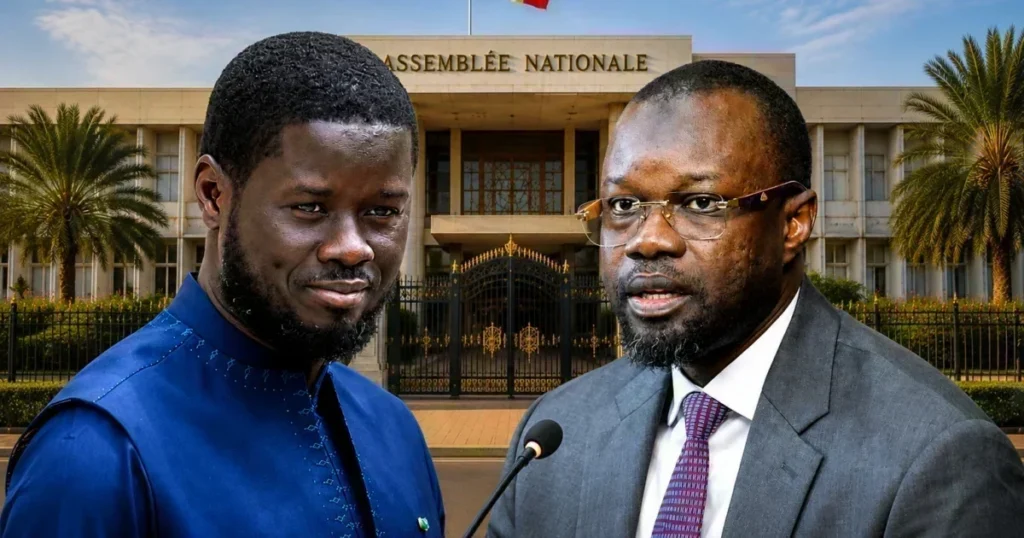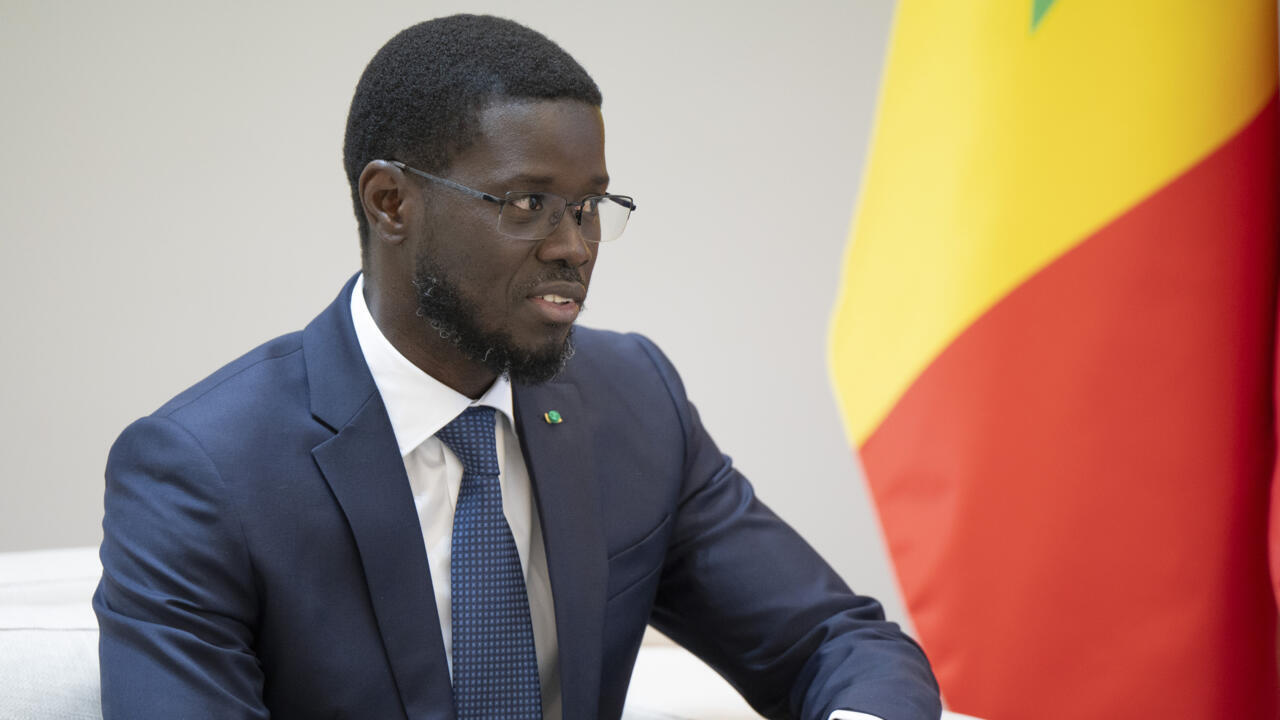
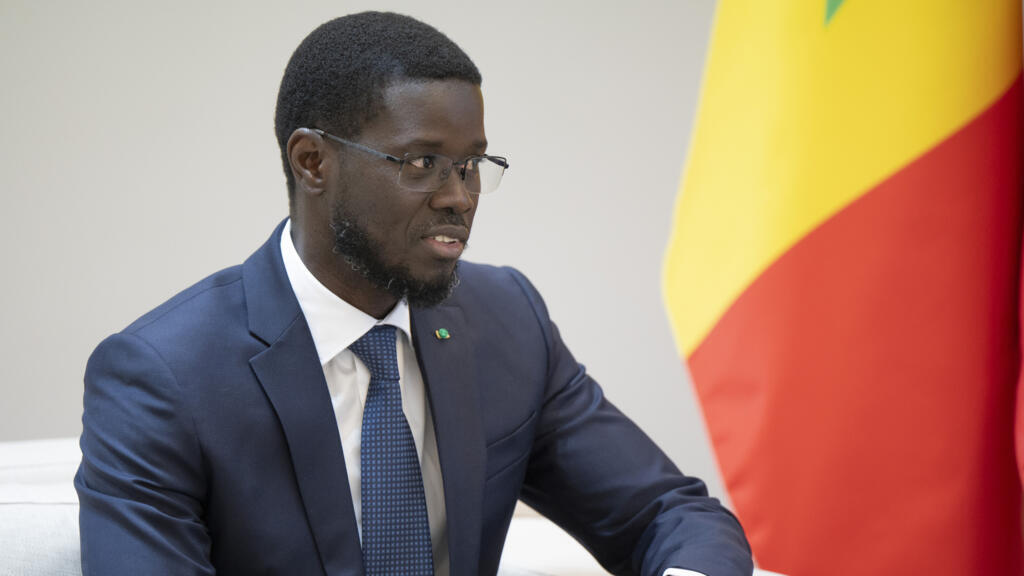
President Bassirou Diomaye Faye of Senegal recently declared his intention to establish his own political party, a significant development in the nation’s political landscape. This announcement was made at the Presidential Palace before approximately 300 mayors, all integral members of the “Diomaye Président” coalition.
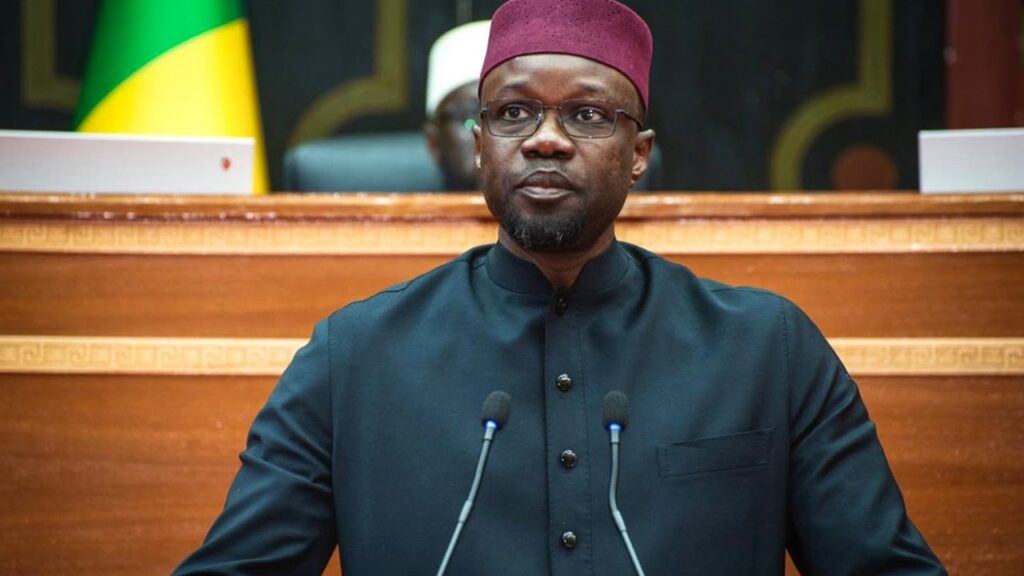
This move marks a pivotal moment, especially considering President Faye’s ascent to power was largely driven by the momentum of the Pastef party and the influential leadership of Ousmane Sonko. The timing of this decision raises pertinent questions, particularly in light of a recent constitutional amendment. This reform, which garnered approval from the majority of deputies in the National Assembly, explicitly states that no head of state shall simultaneously lead a political party. Consequently, political observers are keenly anticipating the nature of this new political project and its potential impact on the existing “Diomaye Président” coalition.
Analyzing the complexities of this political shift, experts like Moussa Diaw, an emeritus professor of political science at Gaston Berger University in Saint-Louis, Senegal, emphasize the strategic considerations behind such a move. The establishment of a new party by the sitting president, while navigating existing constitutional constraints and the legacy of his initial political backing, will undoubtedly reshape the dynamics of West African politics and the future direction of Senegal.