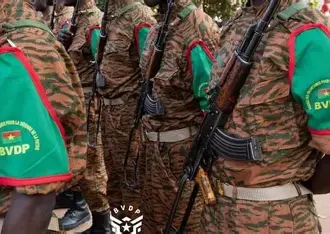
Recent attacks in Burkina Faso have left a grim tally, with at least fifty soldiers and members of the Volunteers for the Defense of the Homeland (VDP) killed in coordinated assaults. While such losses demand attention, the situation on the ground is far more nuanced than a mere tally of casualties. The surge in violence signals a critical juncture: the Burkinabe army, having disrupted terrorist strongholds, now faces the desperate countermeasures of a cornered enemy.
Beyond the numbers: Understanding the enemy’s shifting tactics
In asymmetric warfare, casualty figures alone cannot gauge the true balance of power. Terrorist groups, stripped of the ability to hold territory amid sustained aerial and ground offensives, have adopted a new strategy—one rooted in opportunistic harassment. These attacks, often targeting isolated outposts or supply convoys, are less about territorial gains and more about psychological impact.
By striking where defenses are thin, the militants aim to erode troop morale and fracture the fragile trust between civilians and the defense forces. The losses incurred by the Burkinabe military are not just a tragic consequence of their offensive posture; they are an unavoidable cost of reclaiming territory from hard-to-reach zones. Every patrol, every raid deep into contested areas, carries the risk of ambush or assault. Yet, these sacrifices are the price of progress in a conflict where the enemy adapts faster than conventional metrics can capture.
The VDP’s evolving role: A citizen-led defense strategy
The VDP, frequently misrepresented as inadequately trained