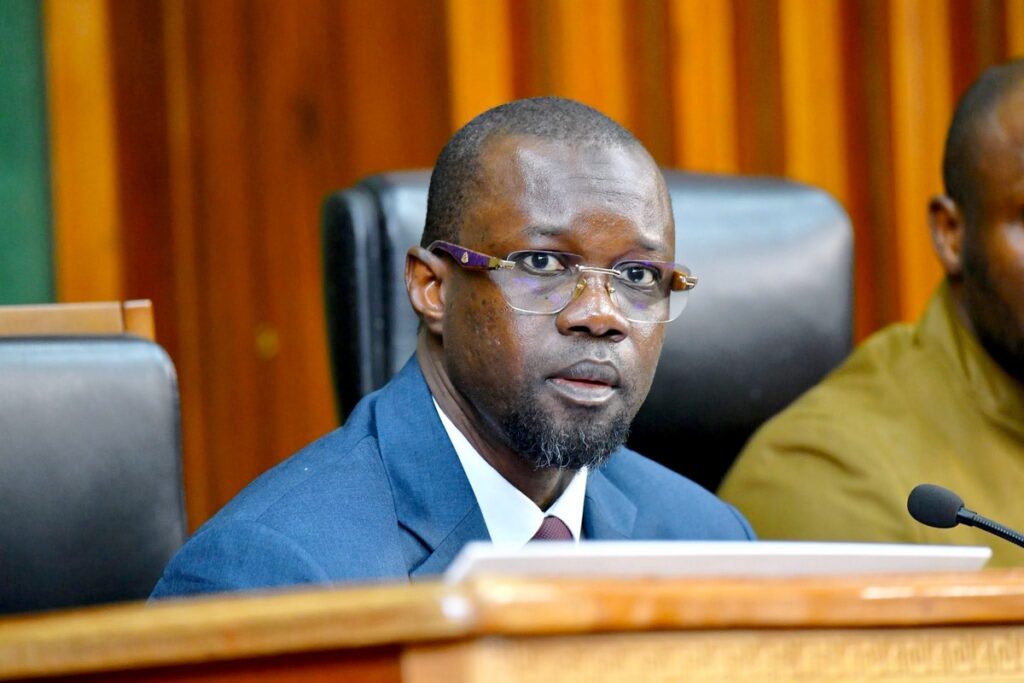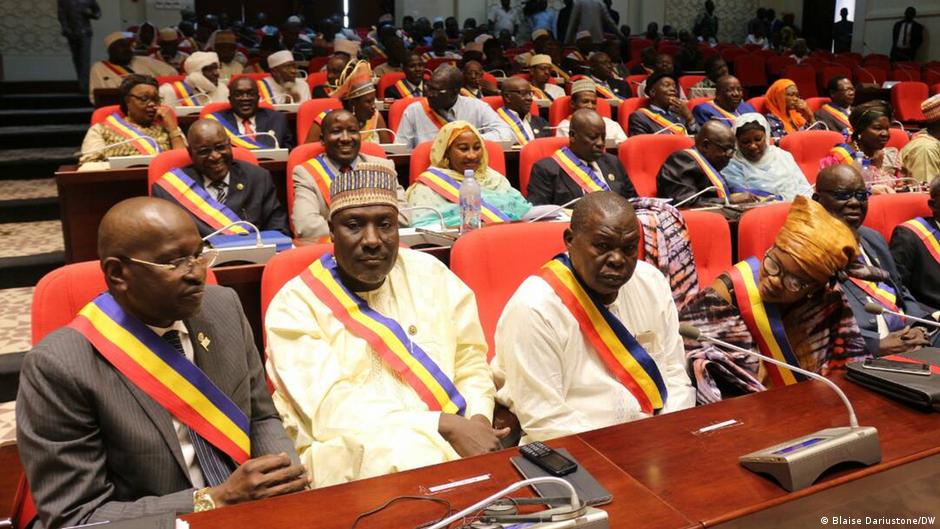
Since the early 2000s, African nations have been adopting laws and quotas to boost women’s representation in political institutions. These measures vary widely across the continent, with some countries mandating minimum female representation on electoral lists while others set benchmarks for parliamentary seats. Senegal and Chad stand out as key examples of how different approaches can shape gender parity in governance.
Senegal’s gender parity law: a step forward with limitations
In Senegal, the Parity Law, enacted in 2010, requires gender alternation on electoral lists for multiple election types. This has significantly increased women’s presence in the National Assembly and local councils. However, the law does not extend to government appointments, which remain at the sole discretion of the president. As a result, female representation in ministerial roles depends entirely on presidential decisions, leaving progress uneven and unpredictable.
Chad’s bold strides toward balanced representation
Chad took a more comprehensive approach with an ordinance in 2018 establishing gender parity in both elective and appointive positions. A 2021 decree further clarified that the law aims for equal access to decision-making roles in government, central and local administrations, and public institutions. The legislation mandates a minimum 30% quota for women in appointive roles, such as cabinet positions and senior civil service roles.
Additional reforms require gender-balanced electoral lists, ensuring women’s participation in legislative bodies. These efforts bore fruit in the 2024–2025 elections, where women secured 34% of seats in the National Assembly—64 out of 188 deputies. As of April 1, 2026, Chad’s government includes 12 women among its 37 members (ministers, deputy ministers, and state secretaries), accounting for roughly 32% representation.
Challenges remain despite progress
While these advances are encouraging, true gender equality in politics remains elusive. Women continue to face systemic barriers—social, economic, and cultural—that limit their full participation in decision-making. Structural obstacles, from traditional norms to economic constraints, still hinder their ability to break into leadership roles beyond quotas.
Both Senegal and Chad demonstrate that legal frameworks can drive change, but sustained progress requires addressing deeper societal challenges. The journey toward parity is far from over, and both nations must continue refining policies to ensure women’s voices are not just present, but influential in shaping the future.