Sovereignty versus security: the Sahel’s precarious balancing act
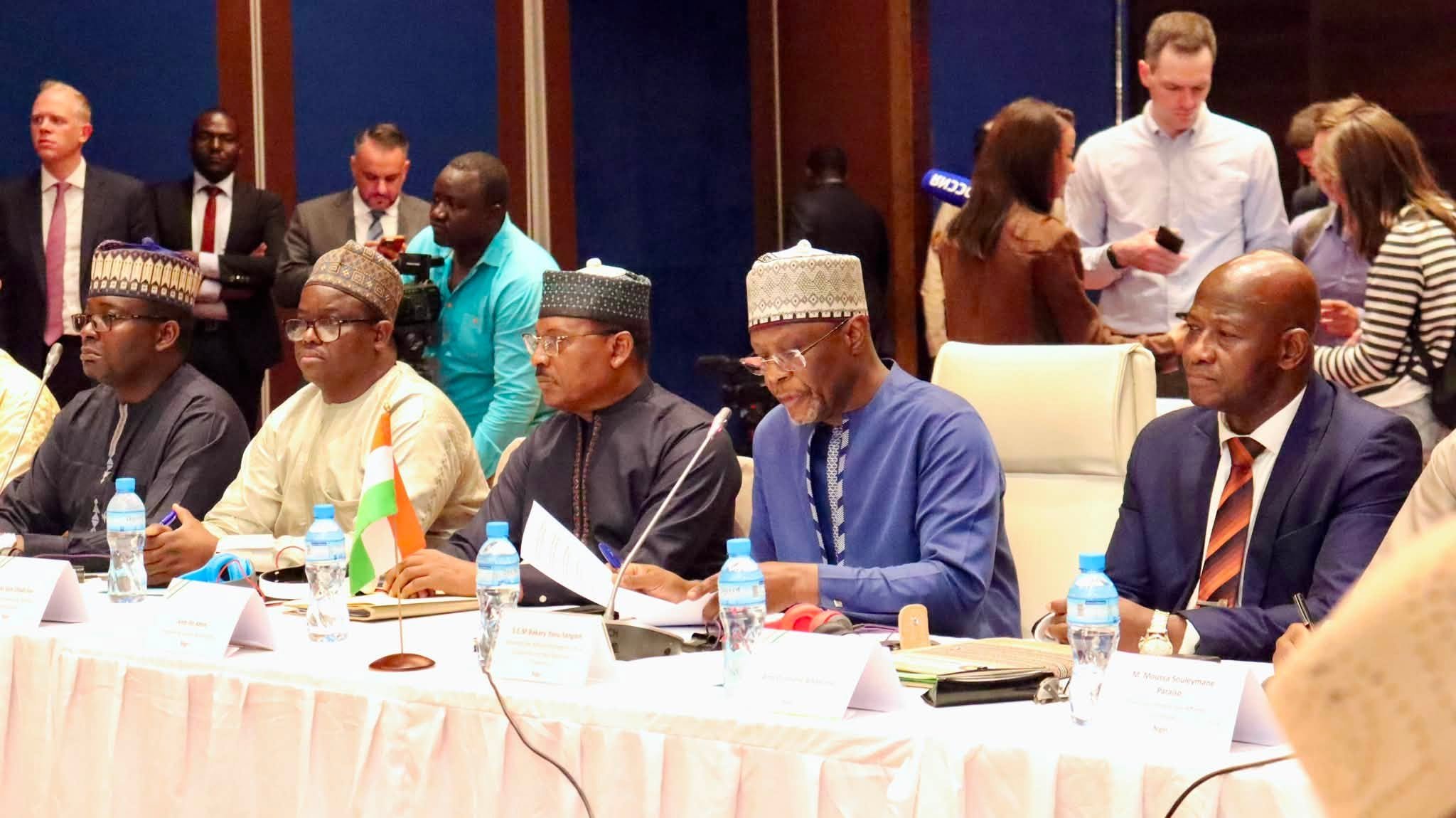
Moscow has doubled down on its military backing for Mali, Burkina Faso and Niger, a move hailed by the leaders of the Alliance of Sahel States (AES) as a milestone in regaining sovereignty and breaking free from former Western partnerships. Yet beneath the rhetoric of emancipation lies a stark reality: violence has intensified, and civilians are bearing the heaviest burden.
A promised security shift that has yet to materialize
The core argument put forward by AES authorities was straightforward: severing ties with Western partners would yield faster, more decisive results against armed factions. However, years into this strategic realignment, the outcome remains deeply uneven. Despite an influx of Russian weaponry, drones and logistical support, terror attacks persist across all three nations. Military outposts face repeated assaults, villages remain under constant threat, and tens of thousands have been displaced—leaving communities trapped in a cycle of fear and displacement.
Data from the Armed Conflict Location & Event Data Project (ACLED) reveals a grim tally: over 10,000 deaths in political violence across the Sahel in 2025 alone, cementing the region’s reputation as one of the world’s most active conflict zones.
Humanitarian fallout: displacement, closed schools and collapsing services
The human cost extends far beyond battlefield casualties. Displacement has reached unprecedented levels, with more than five million people uprooted across the Sahel—a direct consequence of unrelenting insecurity. Schools shutter their doors, depriving an entire generation of education, while healthcare access dwindles in the most exposed zones. Each new attack triggers fresh waves of displacement, abandoned settlements and paralyzed economies, deepening the crisis with every passing month.
The financial weight of an endless war
The conflict’s economic toll is equally staggering. Military spending has surged, arms procurement has ballooned, and security allocations now consume a growing share of national budgets. Meanwhile, critical sectors—healthcare, education, agriculture and infrastructure—remain underfunded. As the war drags on, governments face an impossible choice: sustain military operations or invest in long-term solutions that could address the root causes of insecurity.
An entrenched cycle of dependence
Every escalation in violence has a predictable effect: it deepens reliance on external partners. As security outcomes fail to improve, authorities inevitably seek more equipment, more training and more support—reinforcing the very dependence the AES leadership claimed to overcome. This raises a pressing question: can a strategy that demands ever-increasing foreign assistance truly symbolize regained independence?
Moscow’s strategic gains amid persistent instability
For Russia, the alliance has delivered clear geopolitical dividends. Each new military accord strengthens its diplomatic foothold in Africa. Each shipment of arms reinforces its strategic footprint. Each security partnership expands its network of influence in a region rich in natural resources, particularly gold and uranium. Beyond the military sphere, Moscow is also expanding its political, economic and informational sway, positioning the Sahel as a linchpin of its broader African strategy.
Is this a military victory or a political one? The initial goal set by the Sahel’s military juntas was swift security restoration. Yet years into their exclusive partnership with Moscow, humanitarian indicators remain dire, attacks persist and civilians continue to live under the shadow of armed groups. This does not imply that Russia alone is to blame for the region’s security decline—its roots are deep, tangled in historical, economic, communal and regional complexities.
Still, a critical question lingers: if this alliance was touted as the definitive counterterrorism solution, why do civilian casualties and mass displacements persist at such alarming levels?
As the conflict wears on, one truth becomes undeniable: the first victims are the people of the Sahel. While families mourn their dead, villages empty and millions flee their homes, Moscow’s influence in the region grows—paradoxically thriving on the very instability it was meant to resolve.