When traditional channels fail, Niamey seeks alternative paths
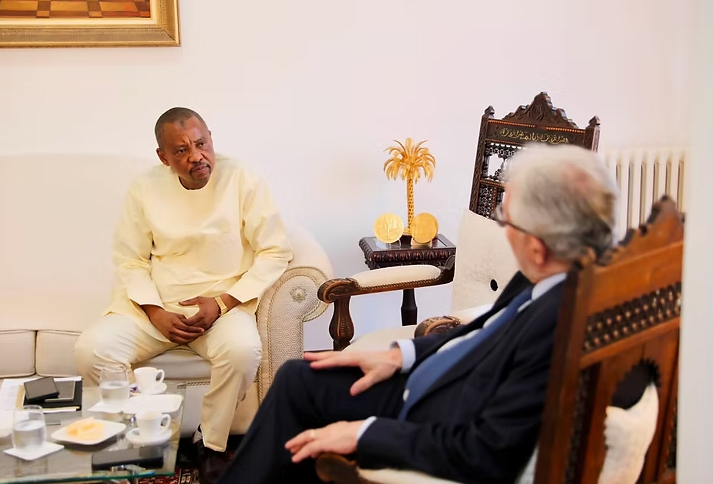
The recent meeting between Hamadou Saley, chargé d’affaires at Niger’s embassy in France, and Chems-eddine Hafiz, rector of the Great Mosque of Paris, has sparked intense speculation. While framed as a cultural or religious collaboration, this encounter reveals a deeper political calculation: a regime in Niamey, desperate to revive its strained ties with Paris, is turning to unconventional channels after being locked out of the Quai d’Orsay’s doors.
Diplomatic bypass: navigating a frozen bilateral relationship
Since political upheavals in Niger and a sharp decline in relations with France, official communication between the two nations has all but collapsed. Expulsions of diplomats, anti-French rhetoric, and the suspension of cooperation agreements have left the Paris-Niamey axis in a deep freeze. Yet economic realities, migration flows, and geopolitical imperatives often override even the most hardened stances. Niger recognizes the need to maintain contact with France—but when the standard diplomatic route is blocked, what options remain?
The answer lies in shadow diplomacy, specifically what some analysts call “faith-based diplomacy.” By sending its chargé d’affaires to one of France’s most influential religious institutions, the Great Mosque of Paris, Niamey is making a calculated attempt to bypass institutional paralysis. Without the prospect of a high-level meeting at the Ministry of Foreign Affairs, the Nigerien representative seeks not just attention, but a platform within a community that holds historical and political weight in France.
A high-stakes gamble with religious institutions
This is no mere spiritual courtesy. Leveraging faith to transmit messages or test political waters is a deliberate strategy to sidestep institutional boycott. The Great Mosque of Paris, with its deep-rooted ties to the French state, offers a backdoor into public discourse—precisely the kind of access Niamey can no longer secure through formal channels. The move is audacious: after being shut out of official corridors, the regime is trying to slip in through the side window of France’s religious landscape.
Yet this approach raises serious questions about consistency. In public speeches, Niamey condemns foreign interference and champions a clean break from its former partner. Behind the scenes, however, its diplomats are quietly working through religious networks to soften its image and reopen lines of communication. Can cultural and religious initiatives truly serve as a smokescreen for political normalization?
If Niger is serious about rebuilding a constructive relationship with France, it must do so transparently—through state channels and international protocols—not by exploiting the faith of a third country’s community. The world’s gaze is fixed on the Sahel, and every move, no matter how discreet, is scrutinized. A strategy built on religious leverage may offer short-term gains, but it risks undermining long-term credibility.