The Constitutional Council of Senegal delivered a landmark ruling on Thursday, July 9, 2026, striking down a sweeping constitutional amendment bill that had cleared the National Assembly just days earlier. In an unprecedented move, the seven-member bench—commonly referred to as the “Wise Ones”—found that the legislative process leading to the adoption of Law No. 18/2026 violated the nation’s foundational legal framework. The decision has laid bare deep procedural fissures at the heart of the Senegalese state while underscoring the court’s pivotal role as a guardian of constitutional integrity.
Presidential intervention sets historic precedent
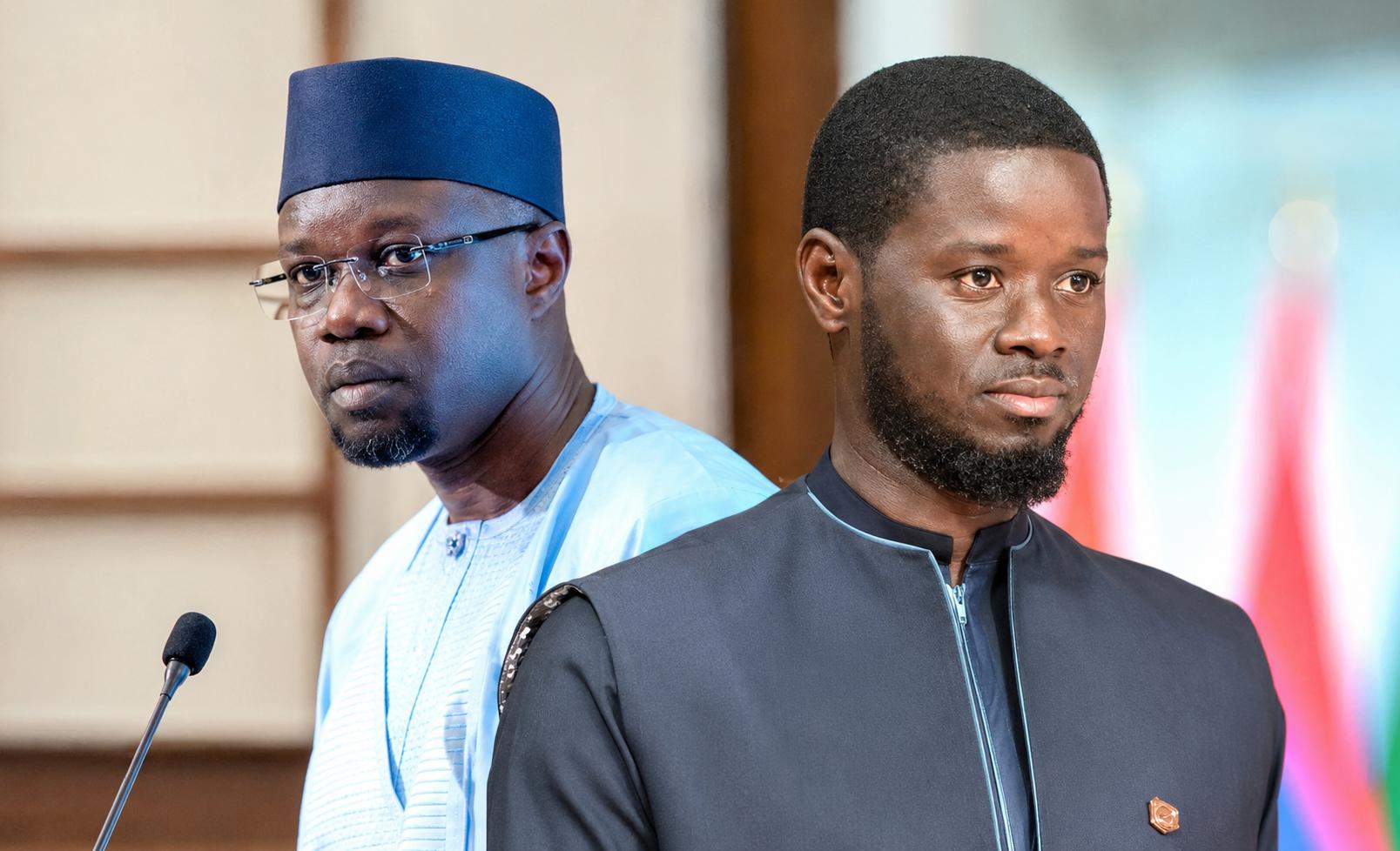
The bill, which sought to overhaul the country’s institutional architecture, proposed sweeping changes such as rebalancing executive and legislative authority, barring the president from leading a political party, and establishing a dedicated Constitutional Court. Yet, in a dramatic reversal of expectations for legislation championed by the ruling coalition, President Bassirou Diomaye Faye personally filed an urgent appeal before the Council on July 6, 2026. Rather than challenging the substance of the reforms, the presidency focused exclusively on procedural irregularities in the bill’s passage through parliament. The legal filing included meticulously compiled minutes of plenary debates, records of rejected government amendments, and audiovisual recordings of legislative sessions, presenting a compelling case for constitutional non-compliance.
Financial and procedural violations seal the reform’s fate
The Constitutional Council grounded its decision in rigorous legal reasoning, dismissing arguments from the National Assembly speaker that contested the court’s authority over constitutional matters. Two specific clauses in Article 82 of Senegal’s Constitution underpinned the ruling:
- Undermining fiscal responsibility (Clause 2): The bench reaffirmed that any parliamentary amendment or proposal that increases public expenditure or creates new financial obligations without corresponding compensatory revenue is constitutionally inadmissible. The rejected bill failed this test, as it introduced new public offices without securing budgetary offsets.
- Executive marginalization (Clause 4): The Council determined that the National Assembly had refused to adjourn deliberations or excise problematic provisions despite explicit objections from the executive branch, thereby infringing on the presidency’s constitutional prerogatives in the legislative process.
The ruling explicitly states, “This procedural breach vitiates the very validity of the revision law,” resulting in its total annulment before any presidential promulgation or public referendum.
A legal milestone amid political crosswinds
This landmark decision has sent ripples through Senegal’s 2026 political landscape. While government allies view it as a technical setback necessitating a more meticulous legislative overhaul, opposition figures celebrate the ruling as a triumph of constitutional supremacy over legislative haste. Far from weakening state institutions, the verdict highlights the robustness and independence of Senegal’s constitutional justice system, capable of adjudicating high-stakes disputes between the presidency and parliament.
By striking down Law No. 18/2026, the Constitutional Council has sent a clear message: even the most transformative reforms must adhere strictly to the procedural rigor enshrined in the Constitution. For President Bassirou Diomaye Faye and his administration, the path forward now demands a strategic reassessment—whether through a revised legislative proposal or a direct appeal to the electorate via referendum—to fulfill the reforms promised to the Senegalese people.