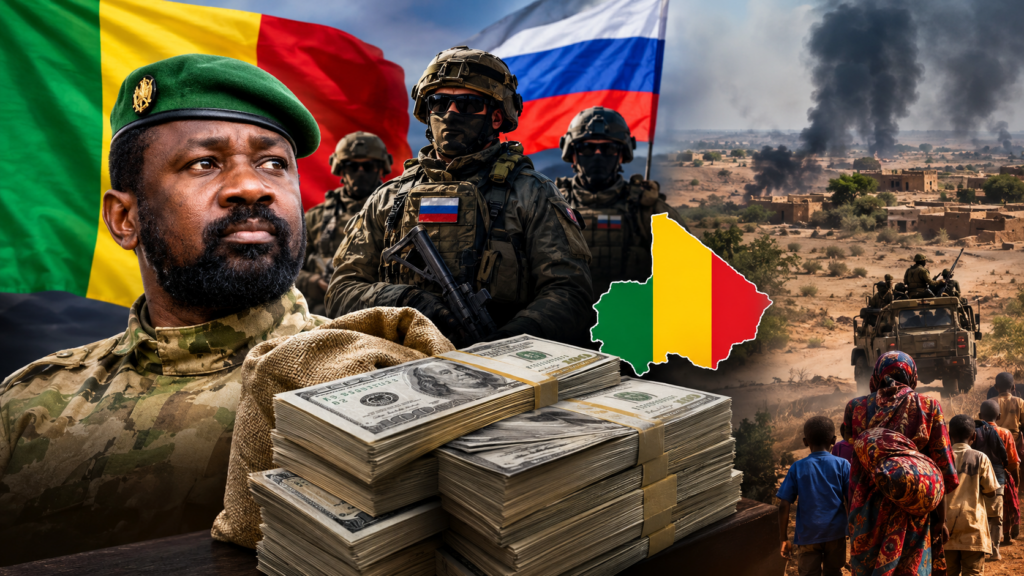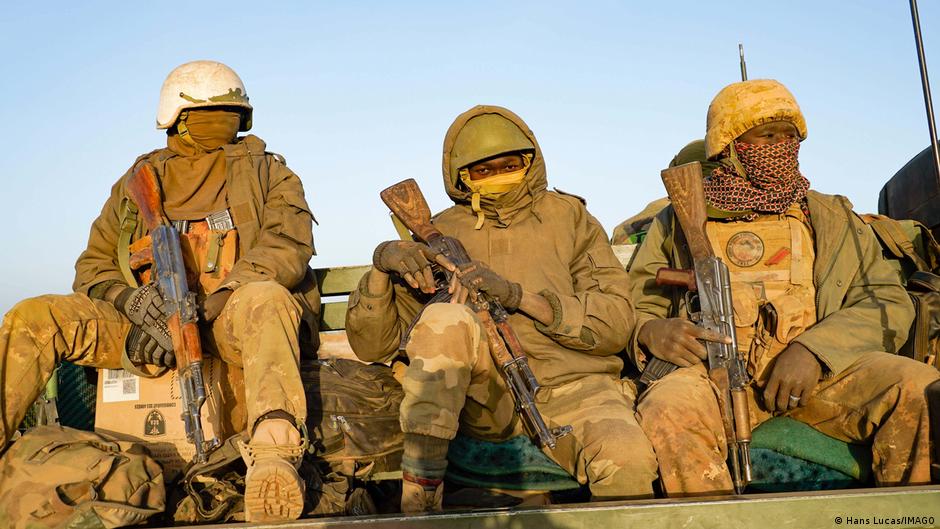
In the ongoing conflict in Mali, a striking disparity has emerged between the casualties suffered by the Malian Armed Forces and those incurred by the Russian paramilitary group Africa Corps. Despite facing similar threats from jihadist factions, the reported losses among Russian fighters remain disproportionately low compared to their Malian counterparts.
Understanding the discrepancy
Analysts point to several key factors that may explain this imbalance. First and foremost is the matter of troop numbers. While Mali’s military boasts over 13,000 active personnel, the Africa Corps contingent is estimated to consist of only 1,500 to 2,000 fighters. This numerical disparity means Malian troops are far more exposed to frontline combat, bearing the brunt of attacks in high-risk zones.
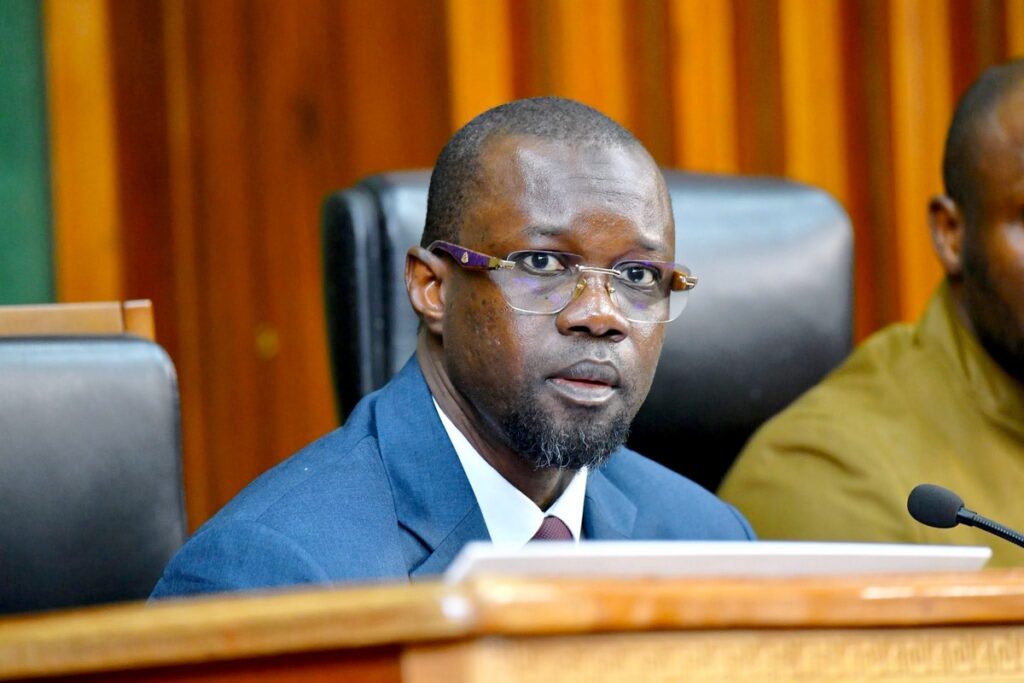
As noted by security expert Mamadou Mouth Bane, who has extensively studied jihadist movements in the Sahel, “the Malian military shoulders the primary burden of field operations. They occupy forward positions and face the immediate dangers of combat, while Russian paramilitaries typically operate in a supporting role, often handling logistics, drone surveillance, and intelligence analysis from a safer distance.”
This division of labor ensures that the majority of casualties and kidnappings occur among Malian soldiers, who are often stationed in remote and volatile regions.
Experience and equipment: the mercenary advantage
The Russia-backed fighters, however, are far from invulnerable. Over the years, several have been killed in operations across northern and central Mali. Yet their losses remain underreported due to the lack of official disclosures from either Bamako or Moscow.
What sets the Africa Corps apart is the combat experience of its members. Many are veterans of conflicts abroad, having honed their skills in Syria, Ukraine, and other theaters. Abdoulaye Sounaye, a Sahel researcher at the Leibniz Centre Modern Orient in Berlin, emphasizes this point: “These are not conscripts; they are professional mercenaries with extensive battlefield experience. Their expertise in combat tactics, combined with advanced weaponry and aerial support, provides them with a significant tactical edge over jihadist groups.”
Their robust equipment, including armored vehicles and air support, further reduces their direct exposure to danger, allowing them to operate with greater precision and protection.
A calculated strategy
Some analysts suggest that the Africa Corps employs a deliberate strategy of prioritizing high-value targets and critical infrastructure. With limited manpower, their focus is on securing key locations rather than engaging in prolonged territorial control. This approach leaves routine patrols and sustained ground operations to the Malian military, which is more vulnerable to sustained attacks.