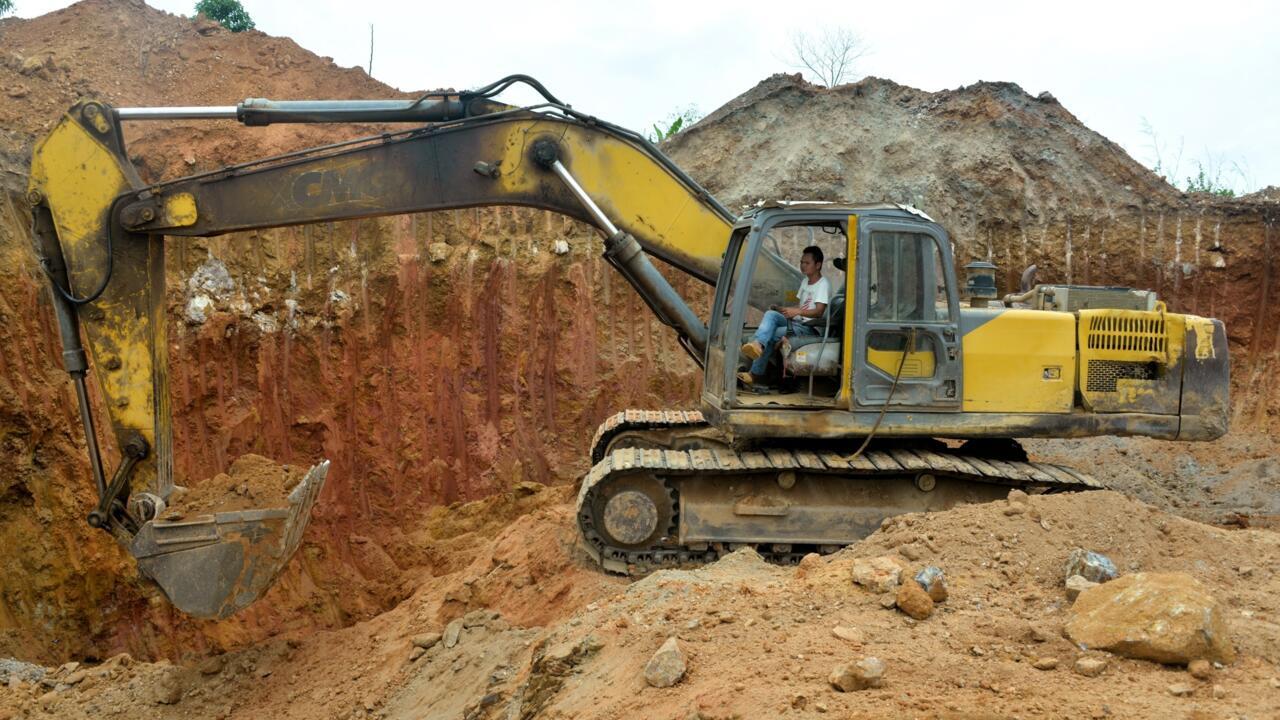
gold mining accountability struggles in Cameroon and dr Congo
In Cameroon and the Democratic Republic of Congo, efforts to regulate gold mining are proving inadequate. Despite some progress, the revenues generated from this lucrative sector are increasingly failing to reach state coffers. This stark reality is the central finding of a recent report by the Institute for Security Studies (ISS).
According to the Extractive Industries Transparency Initiative (EITI), Cameroon reported just 22 kilograms of gold exports in 2023, while importers claim to have purchased 15 tonnes. These discrepancies highlight systemic gaps in oversight and accountability within the gold mining industries of both nations.
We spoke with Professor Aïcha Pemboura, a researcher at the ISS’s Observatory on Organized Crime and Violence in Central Africa, who shed light on these critical issues. She emphasized the urgent need for both national and international operators to be held accountable for their role in the mismanagement of gold resources.
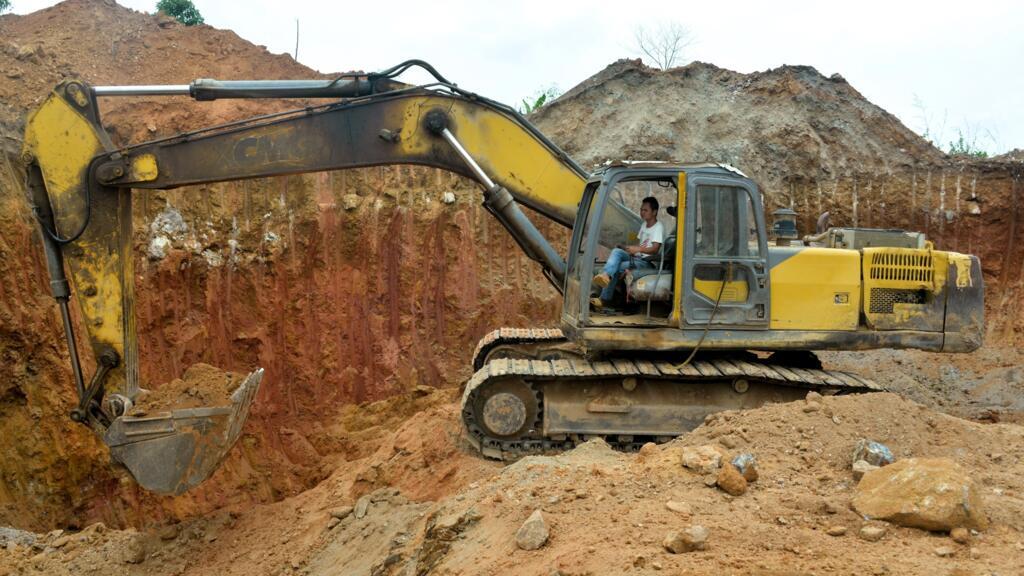
challenges in gold sector regulation
The gold mining sectors in Cameroon and the Democratic Republic of Congo face significant regulatory challenges. While both countries have implemented measures to improve transparency and accountability, these efforts remain insufficient. The lack of robust enforcement mechanisms and the prevalence of informal mining activities contribute to the persistent gaps in revenue collection.
Professor Pemboura pointed out that the discrepancies between reported exports and actual purchases underscore the need for stronger oversight. She noted that without stringent accountability measures, the potential benefits of gold mining for national development will continue to be undermined by illicit practices and mismanagement.
key concerns
- Revenue discrepancies: The reported 22 kilograms of gold exports from Cameroon in 2023 contrasts sharply with the 15 tonnes claimed by importers, raising serious questions about transparency.
- Weak enforcement: Existing regulations are often poorly enforced, allowing operators to bypass accountability and avoid contributing to state revenues.
- Informal mining: The prevalence of informal and artisanal mining activities further complicates efforts to regulate the sector and ensure fair revenue distribution.
- International involvement: Both national and foreign operators play a role in the mismanagement of gold resources, necessitating a collaborative approach to accountability.
call for greater accountability
Professor Pemboura emphasized that achieving accountability in the gold mining sectors of Cameroon and the Democratic Republic of Congo requires a multifaceted approach. This includes strengthening regulatory frameworks, enhancing enforcement mechanisms, and fostering greater collaboration between national authorities and international stakeholders.
She stressed that the time has come for operators—both local and international—to be held accountable for their actions. Without such measures, the potential of gold mining to drive economic development in these countries will remain largely untapped, and the benefits will continue to be siphoned off by illicit practices.