
millions in development financing remain underutilized in Cameroon
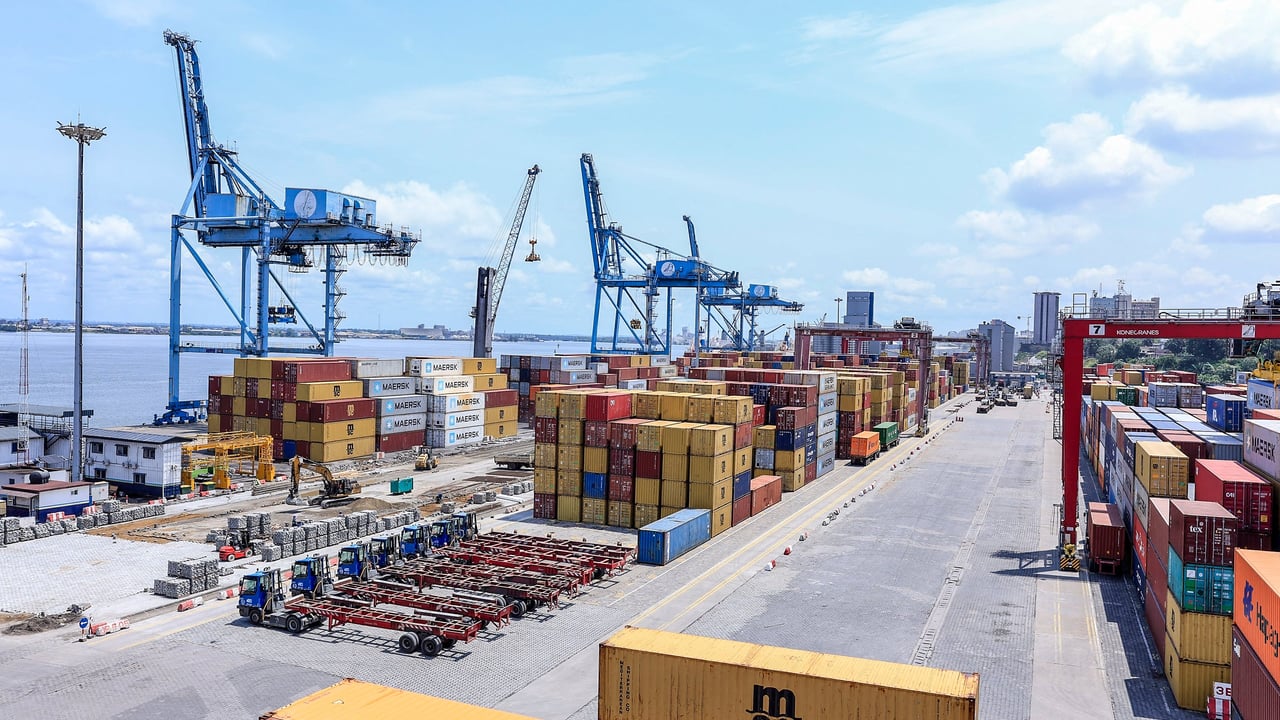
Cameroon holds billions in concessional loans from international financial institutions, yet a significant portion remains untapped. These funds, designed to boost infrastructure, healthcare, and education, often face delays in disbursement due to bureaucratic hurdles and mismanagement. At the heart of this challenge lies Douala’s port, a key economic gateway where unspent capital could transform the nation’s growth trajectory.
why do these funds go unused?
Several factors contribute to the stagnation of these financial resources. Administrative bottlenecks slow down project approvals, while weak institutional capacity hinders efficient implementation. Additionally, corruption risks and opaque procurement processes deter potential beneficiaries. Without streamlined oversight, billions earmarked for critical sectors remain idle, depriving communities of essential services.
the role of douala’s port in economic growth
The Douala port stands as Cameroon’s economic lifeline, handling over 90% of the country’s trade. Yet, its potential is constrained by infrastructure gaps that could be bridged with these loans. Upgrading port facilities, improving logistics, and expanding storage capacities would not only enhance trade efficiency but also create thousands of jobs. However, without timely fund disbursement, these opportunities slip away.
how can Cameroon unlock these resources?
To bridge this funding gap, Cameroon must prioritize transparent governance and accelerated project execution. Strengthening collaboration between the government, financial institutions, and private sector stakeholders is crucial. Simplifying approval processes and enforcing stricter accountability measures could unlock billions, turning dormant capital into tangible progress.
the human impact of stalled funding
Behind every unspent dollar lies a missed opportunity for education, healthcare, and economic empowerment. Rural communities, in particular, bear the brunt of these delays, with schools lacking resources and hospitals struggling to provide basic care. If Cameroon fails to address these inefficiencies, the cycle of underdevelopment will persist, leaving generations behind.
a call for urgent reform
The time to act is now. By modernizing administrative systems and fostering a culture of fiscal responsibility, Cameroon can tap into these billions, driving sustainable growth and improving livelihoods. The question remains: will policymakers seize this moment to transform these dormant funds into a catalyst for national progress?