From political sovereignty to holistic development: a 66-year journey
The birth of Côte d’Ivoire as an independent nation in 1960 marked not the end, but the beginning of a transformative journey. Independence granted the country legal and political autonomy, allowing it to chart its own course on the global stage. This sovereignty was not merely symbolic—it laid the foundation for a future defined by self-determination and equitable growth. But sovereignty, in its truest sense, extends beyond mere declarations. It encompasses the ability to govern, to protect, and to thrive as a nation.
For Côte d’Ivoire, sovereignty manifests across multiple dimensions:
- Political sovereignty: The end of colonial rule in 1960 signaled a shift from external administration to self-governance. Ivorian leaders assumed full responsibility for executive power, including the election of a head of state, cabinet formation, and the establishment of national institutions.
- Diplomatic sovereignty: On September 20, 1960, Côte d’Ivoire joined the United Nations, asserting its voice among the global community. It fostered bilateral ties and played a pivotal role in regional organizations such as ECOWAS and the Entente Council, engaging with peers on equal footing.
- Legal sovereignty: The nation swiftly established its constitutional framework, legislative bodies, and judicial system—cornerstones of a modern state.
- Economic sovereignty: A core objective was to regain control over production and distribution chains, reduce reliance on volatile global commodity prices, and process local resources domestically.
- Food and social sovereignty: Ensuring food security and access to education, healthcare, and social protection became national priorities to uplift citizens and reduce external dependencies.
- Security and territorial sovereignty: Protecting the nation’s borders and population is essential to safeguarding all other forms of sovereignty. This dimension requires robust institutions and a responsive security apparatus.
National Development Plans: pillars of progress since 1960
Côte d’Ivoire’s development trajectory has been guided by successive National Development Plans (PNDs), each reflecting the nation’s evolving priorities and challenges. These plans are not isolated initiatives—they form a continuous narrative of progress, resilience, and adaptation.
The era of five-year plans (1960–1993)
Under the leadership of the founding President, Félix Houphouët-Boigny, Côte d’Ivoire pursued integrated five-year development plans. These ambitious programs aimed to harness the nation’s agricultural and regional potential, striving for food self-sufficiency and balanced regional growth. The result was a period of remarkable economic expansion—often referred to as the “Ivorian Miracle”—that positioned the country as a regional leader.
Crisis and restructuring (1980–2011)
The 1980s ushered in a cycle of economic crises, forcing the nation to pivot toward structural adjustment programs. Political instability from 1999 to 2011 disrupted development momentum, but the lessons learned laid the groundwork for future recovery and reform.
Structural transformation plans (2012–2020)
In the 2010s, Côte d’Ivoire adopted multi-year plans designed to propel the nation toward an “emerging” status by 2030. These efforts focused on diversifying the economy, strengthening institutions, and investing in human capital.
The growth agenda (2021–2025)
The current PND (2021–2025) is built on six strategic pillars: industrialization, human capital development, private sector growth, social inclusion, balanced regional development, and good governance. Each pillar is designed to create jobs, reduce poverty, and ensure sustainable progress.
Vision 2026–2030: a new chapter of investment and resilience
The upcoming PND for 2026–2030 represents a bold leap forward. With an estimated investment volume exceeding 114,000 billion FCFA, this plan prioritizes private sector mobilization, climate resilience, and a green economy. It aims for an average annual growth rate of 7.2%, the creation of millions of formal jobs, poverty reduction to below 20%, and increased life expectancy. It is a roadmap to translate formal independence into tangible prosperity for all Ivorians.
Independence Day 2026: symbolism, continuity, and transformation
The 66th anniversary of Côte d’Ivoire’s independence is more than a commemoration—it is a reaffirmation of national purpose. Under the leadership of President Alassane Ouattara, the day’s proceedings reflect both historical memory and forward momentum. In 2025, the celebration was held in Bouaké; in 2026, it moves to Yopougon—a deliberate choice to symbolize the government’s commitment to bridging the urban-rural divide and promoting balanced regional development.
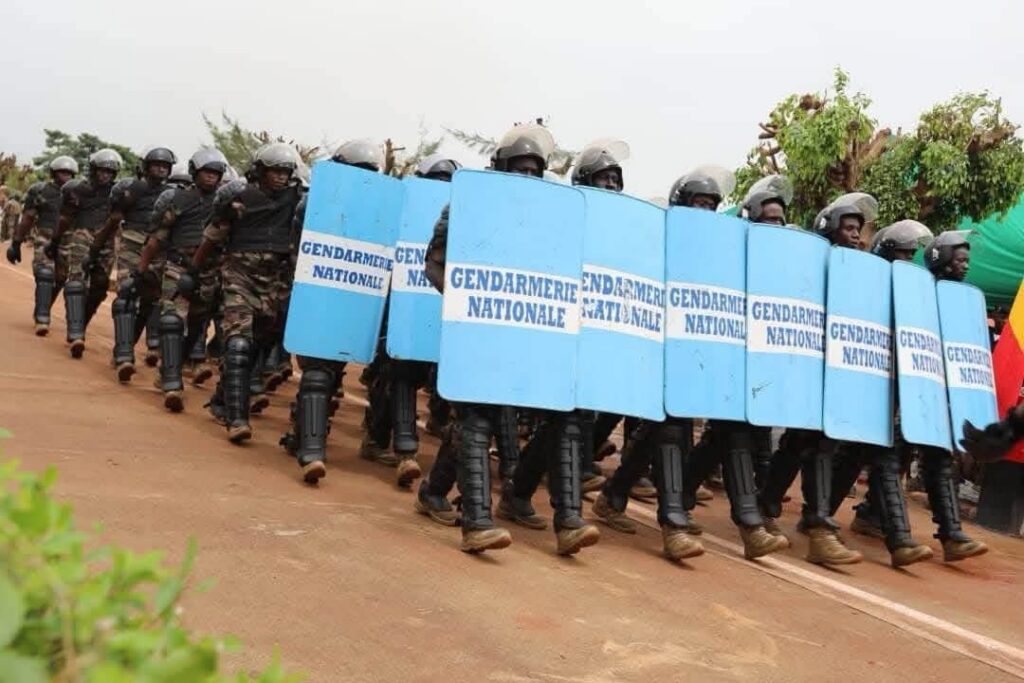
The theme for 2026—“The role of defense and security forces in building peace, unity, and development”—underscores a core national priority: ensuring territorial integrity and citizen safety as prerequisites for progress. This focus aligns perfectly with the PND 2026–2030, which embeds security and stability into its broader development vision.
From sovereignty to shared prosperity: a lasting legacy
Sixty-six years after gaining independence, Côte d’Ivoire stands at a pivotal moment. The journey from political emancipation to material sovereignty is nearly complete. The PND 2026–2030 is the final bridge between formal independence and lived reality—a nation where every citizen benefits from dignity, opportunity, and security.
As the country celebrates this milestone, it does so with confidence in its future. The alignment of historical memory with the National Development Plan is not just symbolic—it is transformative. It ensures that the ideals of 1960 are not forgotten, but realized, through action, investment, and unwavering national resolve.