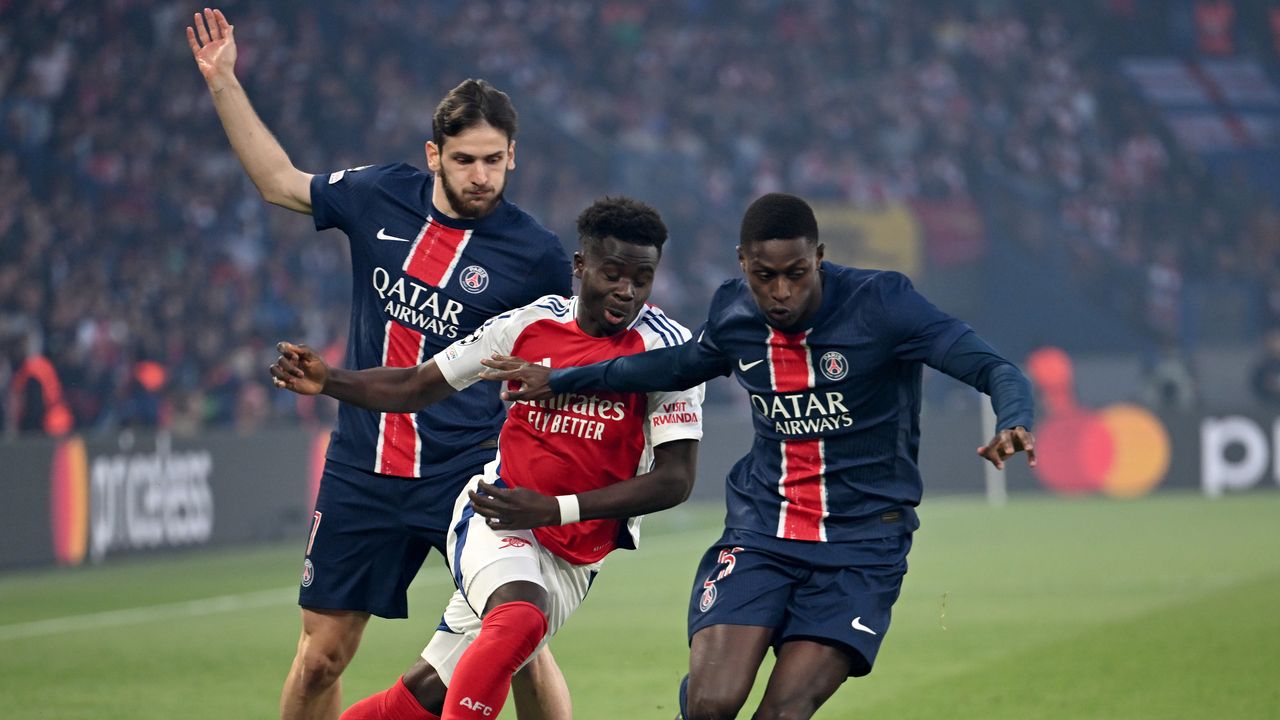
The climax of an unforgettable journey awaits this Saturday, May 30, as Ousmane Dembélé and Paris Saint-Germain seek to claim a historic second consecutive UEFA Champions League title against a resurgent Arsenal side, fresh from their first English top-flight championship in over two decades. Such a feat would mark the first time a French club claims back-to-back European crowns, while also ending a seven-year wait for a repeat champion in Europe’s premier club competition.
All eyes will be on Budapest’s Puskás Aréna when the French giants face the Gunners in an eagerly anticipated showdown. Yet this year’s final breaks with tradition: instead of the customary 9pm kickoff, the match will start at 6pm—a rare scheduling decision that has left supporters perplexed, as post-match celebrations typically extend well past midnight.
Why the early kickoff?
The decision stems from multiple strategic considerations. European football’s governing body has emphasized that the change prioritizes fan experience, allowing spectators to enjoy the evening with friends and family without facing late-night return trips, especially in the event of extra time or penalties. For Budapest, the shift could also deliver a significant economic boost, with bars, cafés, and restaurants poised to welcome crowds eager to toast the victor in real time.
The move also addresses logistical challenges observed in past finals. Following the chaotic 2022 final in Paris between Liverpool and Real Madrid—which saw long queues and security lapses sparking over 100 arrests—UEFA officials have sought to avoid similar incidents ahead of next year’s Olympic Games in the French capital. Enhanced transport access and smoother post-match dispersal from the stadium were cited as key improvements.
Global appeal and safety in focus
This scheduling isn’t solely about convenience for European fans. By starting earlier, the tournament gains broader global reach, enabling supporters across Asia and the Middle East to watch the action without disrupting their sleep. It’s a deliberate step toward positioning the Champions League as a truly worldwide spectacle, accessible beyond traditional late-night viewing habits.
Paris is also preparing for a controlled celebration. Authorities will deploy nearly 8,000 police and gendarmes across the city, while public venues along the Champs-Élysées—including key metro stations such as Concorde and Tuileries—will close by 5pm to manage crowds safely.
For those unable to secure a ticket to Budapest, the match will be broadcast in France on two channels: free-to-air M6, which goes live from Hungary at 5pm, and encrypted Canal+, airing the Canal Champions Club from 4:45pm. Even with daylight remaining, the night promises to be legendary as one team lifts the trophy in front of a global audience.