At the conclusion of the 39th African Union summit, a bold declaration echoed through the halls of Addis Ababa: silencing the guns and ending unconstitutional power transfers once and for all. But in a region grappling with political instability, can such promises truly hold weight?
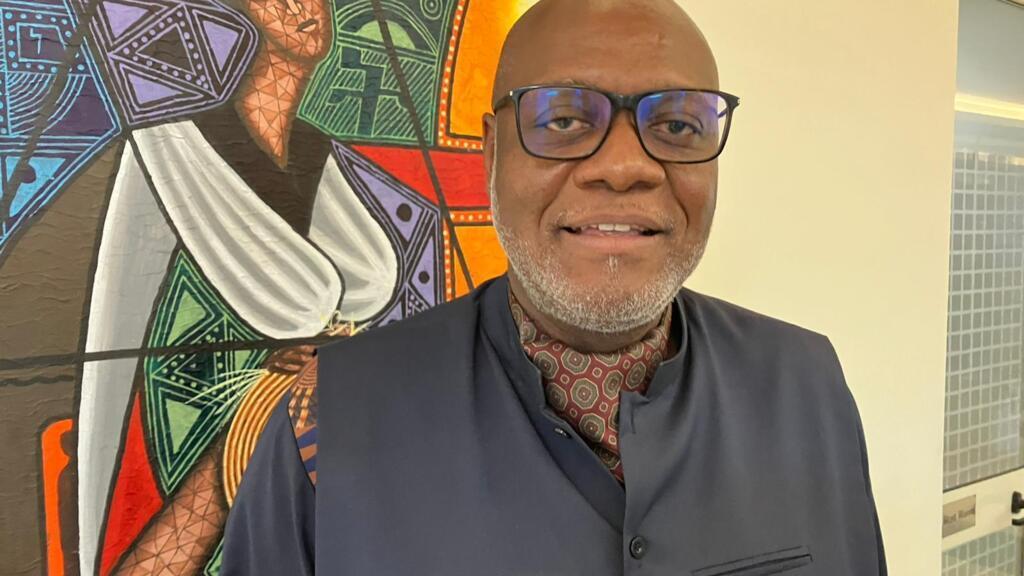
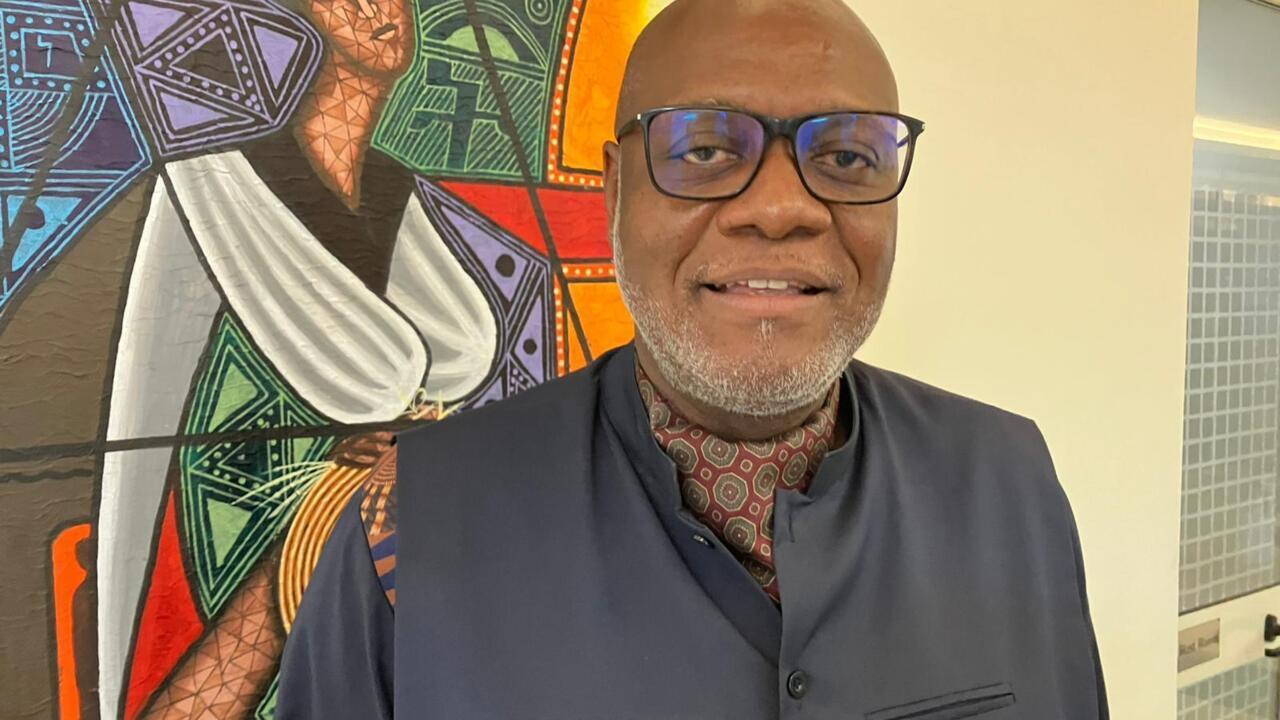
Paul-Simon Handy, a Cameroonian researcher and Regional Director for East Africa at the Institute for Security Studies (ISS), was present in Addis Ababa during the landmark gathering. In an exclusive interview on Africa Midi, he shed light on the summit’s outcomes and the challenges facing the continent’s democratic future.
a summit of promises with uncertain impact
The final communiqué of the African Union summit left little room for interpretation: unconstitutional changes of government will no longer be tolerated. Yet, the fine print reveals a glaring contradiction. Handy highlighted that the same leaders who once seized power through force are now not only allowed to participate in elections but are winning them, raising serious questions about the AU’s commitment to its own principles.
«It is unacceptable for individuals who orchestrated coups to later be elected through democratic processes,» Handy emphasized. «This undermines the very foundations of governance and sends a dangerous message across the continent.»
the paradox of coups and elections
The researcher pointed out that several recent transitions in Africa have followed a troubling pattern: a military takeover, followed by a manipulated or hastily organized election that legitimizes the new leadership. Such scenarios not only normalize unconstitutional power grabs but also erode public trust in democratic institutions.
Handy argued that the AU must move beyond declarations and enforce stricter measures. «Words alone will not restore stability,» he said. «The organization needs to implement tangible consequences for those who violate democratic norms, including sanctions and isolation from regional bodies.»
what’s next for african democracy?
As Africa faces a wave of political turbulence, the debate over governance and accountability grows more urgent. Handy stressed the need for stronger regional cooperation to prevent future crises and ensure that elections reflect the will of the people—not the ambitions of former coup leaders.
«The African Union’s credibility is on the line,» Handy concluded. «If it fails to act decisively, the cycle of instability will continue, and democracy will remain an elusive dream for millions.»