
«It is unacceptable for coup plotters to be democratically elected»
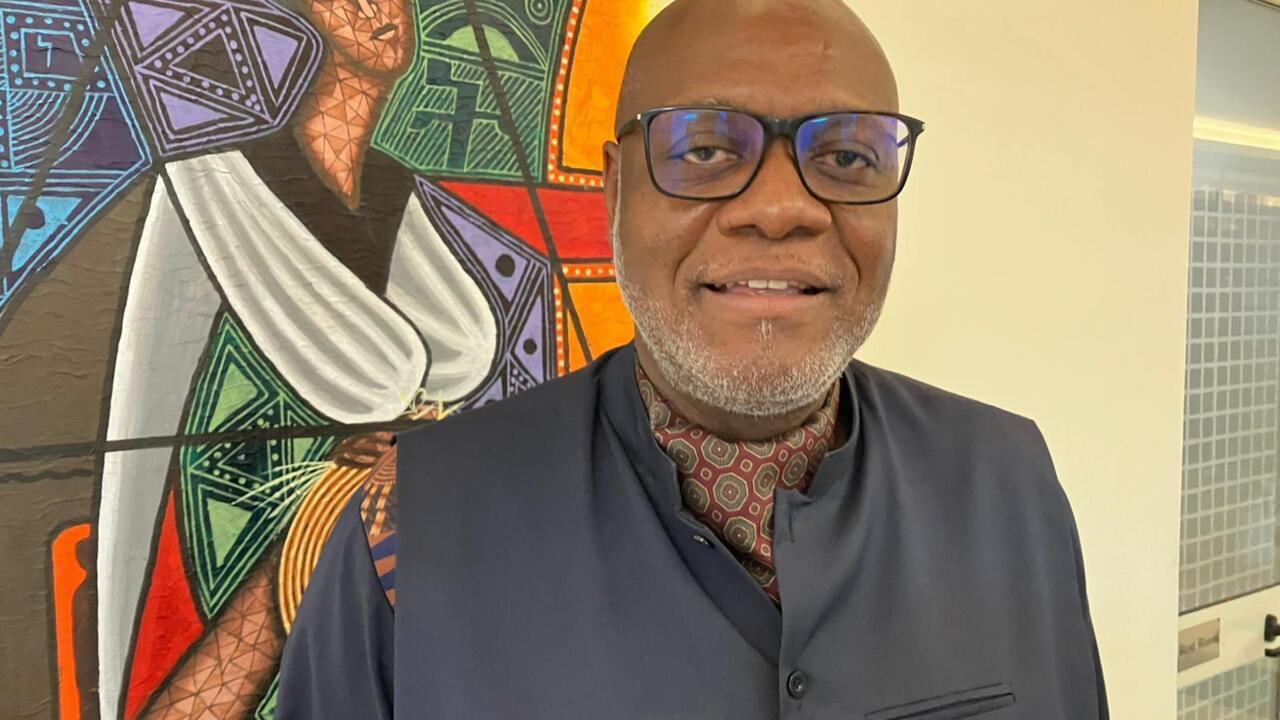
The 39th African Union summit concluded with a bold declaration: to “silence the guns” and end unconstitutional power grabs. But can this stance hold? Prominent Cameroonian researcher Paul-Simon Handy, Regional Director for the Institute for Security Studies (ISS) in East Africa, who attended the Addis Ababa gathering, joins Africa Midi to dissect the continent’s shifting political landscape.
The 39th African Union summit in Addis Ababa wrapped up with a firm commitment to eradicate unconstitutional changes of government across the continent. Yet, as military coups continue reshaping political landscapes in West and Central Africa, skepticism lingers about the feasibility of these resolutions. Could elections legitimize those who seized power by force? This burning question took center stage during discussions at the summit, where delegates grappled with the contradiction of condemning coups while some of their aftermaths—military-led transitions—gain electoral approval.
Can the African Union enforce its zero-tolerance policy?
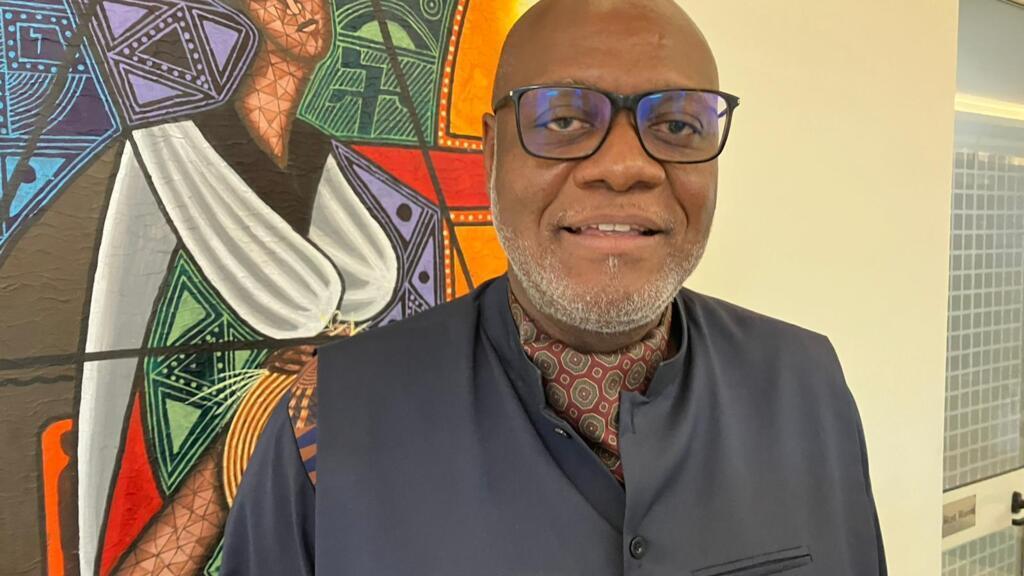
Paul-Simon Handy, Regional Director for the Institute for Security Studies (ISS) in East Africa, was present at the summit. He shares his insights on whether the AU’s renewed stance against unconstitutional power transfers will translate into tangible action. Handy argues that while the rhetoric is strong, the organization’s ability to sanction or prevent such transitions remains limited, especially when electoral processes are manipulated to lend them legitimacy.
The dilemma of elections following coups
Several recent cases highlight the tension between condemning coups and accepting elections that follow them. In some instances, military juntas have organized votes to solidify their rule, presenting these elections as a return to democratic normalcy. Critics argue this undermines the AU’s principle of rejecting unconstitutional power grabs. Handy emphasizes that such maneuvers often sidestep genuine democratic reforms, instead using elections as a veneer for continued authoritarianism.
Regional perspectives and international responses
The summit’s declarations must now confront the realities on the ground. West African nations, including Niger, Mali, and Burkina Faso, have experienced repeated coups in recent years, with transitional governments pledging elections to restore civilian rule. However, delays, lack of transparency, and ongoing instability raise doubts about the credibility of these processes. Handy stresses the need for robust monitoring mechanisms to ensure that elections are free, fair, and reflective of the people’s will—not tools for consolidating military control.
Is there a middle ground?
While the AU’s uncompromising stance sends a strong message, Handy suggests exploring alternative approaches to bridge the gap between condemnation and constructive engagement. This could include conditional support for transitions, where elections are tied to verifiable democratic benchmarks. Such a strategy would require balancing firm principles with pragmatic solutions to avoid alienating member states while still upholding democratic values.
The African Union summit’s call to “silence the guns” reflects a critical moment for the continent. Whether it can enforce its vision will depend on its willingness to confront the complexities of post-coup transitions and hold leaders accountable—regardless of how they came to power.