why corruption remains a growing challenge in Niger
The latest Corruption Perceptions Index by Transparency International has once again exposed the fragility of public governance systems worldwide. While the global report highlights worsening corruption trends even in nations with strong democratic institutions, the situation in Niger stands out as particularly alarming. With a score of 31 out of 100—which falls far below the critical threshold of 50—Niger ranks 124th among 182 countries surveyed in 2025, slipping three places from the previous year.
This persistent decline underscores a harsh reality: corruption and economic crime continue to thrive in Niger, despite the establishment of specialized units like the Cellule de Lutte contre la Délinquance Économique et Financière (COLDEFF). Fraudulent practices, embezzlement of public funds, and abuse of corporate assets remain widespread, revealing systemic weaknesses in prevention, oversight, and enforcement mechanisms.
a reactive rather than proactive approach
Current anti-corruption strategies in Niger tend to focus on addressing the symptoms—such as occasional arrests, symbolic punishments, or official statements—rather than tackling the root causes of corruption. This superficial approach fails to address the deeper structural issues fueling the problem.
Two key factors stand out as major contributors to corruption in Niger:
- Social pressure: In a society deeply rooted in family and community solidarity, public officials often face relentless demands from relatives who expect financial support beyond their legal means. This societal expectation creates immense moral and economic pressure, pushing some individuals to cross legal boundaries.
- Declining living standards of civil servants: Years of stagnant or negligible salary increases, compounded by wage arrears in certain sectors, have eroded the purchasing power of public employees. This financial instability makes corruption appear less like a moral failing and more like a survival strategy.
the human face of corruption: a case study
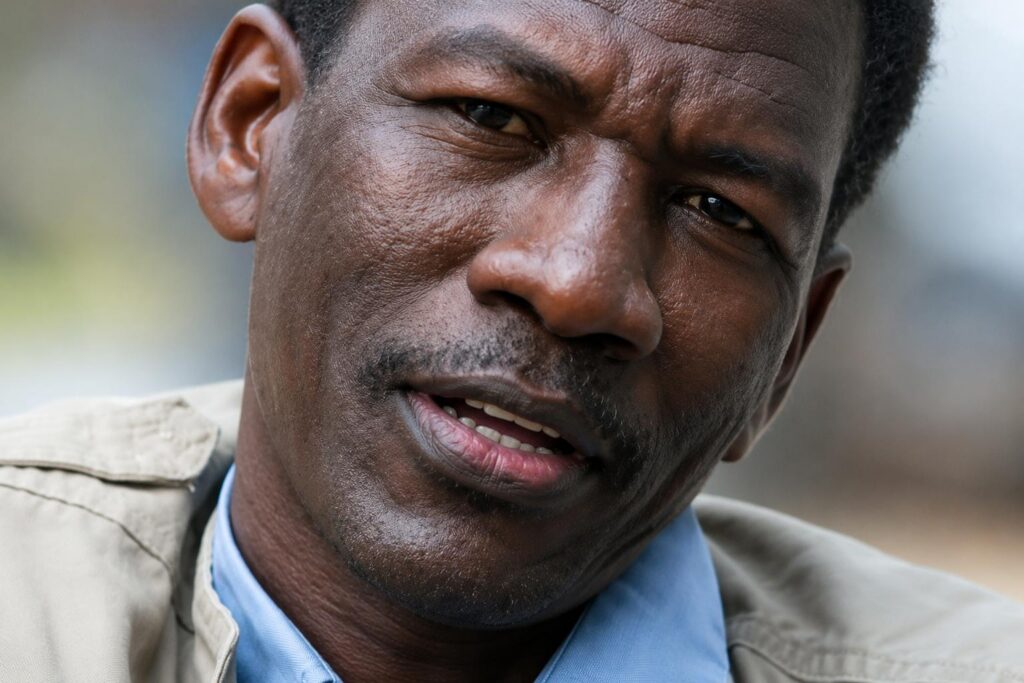
Consider the story of Abdou—a pseudonym used to protect his identity—a highly educated civil servant who rose through the ranks of a major public enterprise in Niamey. Known for his integrity and dedication, Abdou was once widely respected. Yet over time, rising living costs and unadjusted salaries left him financially strained. Unable to abandon his role as the family’s primary provider, he began diverting small sums from company funds, rationalizing his actions as a moral necessity rather than a crime.
For nearly two years, Abdou continued this pattern until an internal audit uncovered the irregularities. The total embezzled amount reached 50 million West African CFA francs. A crisis response team intervened, negotiating a settlement that allowed Abdou to repay the stolen funds gradually, avoiding imprisonment. While this outcome spared him severe legal consequences, it raises serious questions about the effectiveness of deterrent measures in place.
three critical strategies to combat corruption in Niger
To make meaningful progress, Niger must adopt a comprehensive anti-corruption framework that includes:
- Strengthening oversight and digitalizing financial processes: Enhancing surveillance—particularly through digital transformation—in public enterprises and financial management agencies can reduce human intervention and minimize opportunities for fraud. While monitoring systems like surveillance cameras are helpful, they are insufficient without full procedural digitization.
- Educating the public on the societal cost of corruption: Targeted awareness campaigns must emphasize that encouraging or enabling corruption—even indirectly—harms the nation’s collective future. It is not merely a personal or family matter but a breach of public trust that undermines national development.
- Enforcing equitable and transparent sanctions: Penalties must be consistently applied, regardless of social status or political connections. The perception of impunity erodes public trust and emboldens corrupt behavior.
a call for systemic transformation
Eradicating corruption and economic crime in Niger demands more than isolated interventions or rhetorical commitments. It requires a holistic strategy that integrates institutional reforms, social protection measures, and cultural change. Only through sustained, multi-dimensional efforts can Niger hope to break free from the cycle of corruption that continues to impede its economic and social progress.