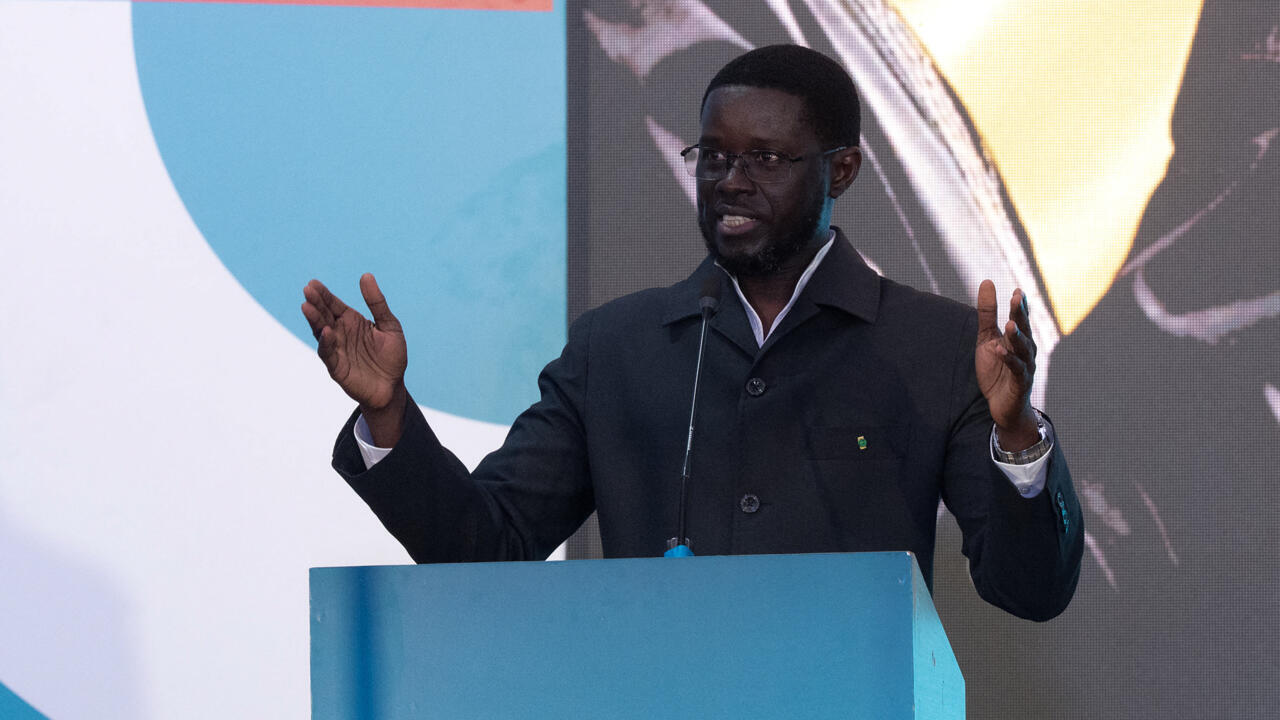
In Senegal, President Bassirou Diomaye Faye has taken a decisive step by breaking away from his former ally Ousmane Sonko and launching his own political party, Kiiraay, les patriotes républicains. This bold move, announced last Saturday, marks a turning point in the country’s political landscape as the nation prepares for upcoming local elections, legislative polls, and the 2029 presidential race.
Understanding the significance of Kiiraay
The name Kiiraay, derived from the Wolof language, translates to “protection,” reflecting the party’s stated mission to safeguard the interests of Senegalese citizens. But what does this new political formation mean for the future of governance in the country? Will it strengthen President Faye’s legitimacy, or will it spark further divisions within the political sphere?
Public expectations and political dynamics
As Senegalese reflect on this development, several questions emerge. How will the new party position itself in the political arena? What policies and reforms does it promise to implement to address pressing national challenges? And crucially, will Bassirou Diomaye Faye retain the popular support that propelled him to the presidency?
The evolving political landscape
The establishment of Kiiraay signals a major shift in Senegal’s political dynamics. With local and legislative elections looming, the party’s emergence could reshape alliances, influence voter sentiment, and redefine the balance of power. Observers are closely watching how this move will impact the broader political ecosystem and whether it will foster unity or deepen existing divides.
As Senegal navigates this critical juncture, the success of Kiiraay will depend not only on its leadership but also on the ability to connect with citizens’ aspirations and deliver tangible results. The coming months will be pivotal in determining whether this new political venture strengthens democratic governance or introduces further uncertainty.
What’s next for Senegal?
The launch of Kiiraay is more than just a political maneuver—it could be a defining moment for Senegal’s future. With the nation at a crossroads, the party’s ability to inspire confidence, address economic challenges, and promote social cohesion will be under intense scrutiny. As the political landscape continues to evolve, one thing is clear: Senegal’s journey toward stability and progress is far from over.