When grief turned to horror: a funeral ceremony struck by military drones in Niger
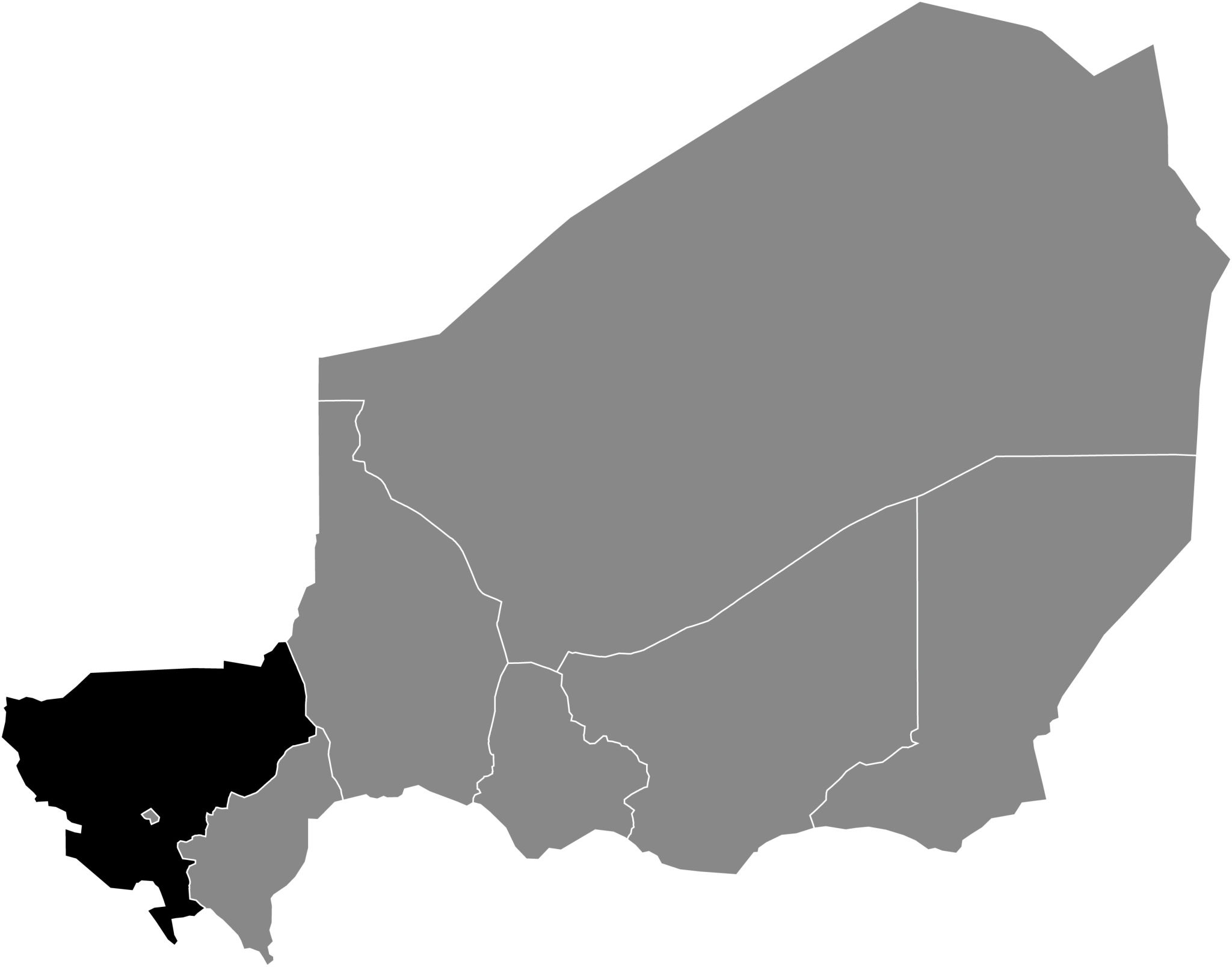
What was meant to be a moment of mourning and unity in the village of Chinagodrar, in northern Tillabéri, ended in a bloodbath on July 24. Two drone strikes, reportedly carried out by Nigerien military forces, tore through a funeral gathering, leaving at least seven dead and numerous wounded. The attack shattered an already fragile community, where fear and insecurity have taken root.
A region trapped between war and peace
The Tillabéri region, bordering Mali and Burkina Faso, is one of the most volatile areas in Niger. Known as the “three borders” zone, it has become a battleground for clashes between security forces and armed extremist groups. The government’s response has included increased military operations, including the deployment of surveillance and combat drones. While these tools allow for rapid strikes against perceived threats, their use in areas crowded with civilians raises serious concerns about intelligence accuracy and target verification.
In villages where funerals, markets, and religious gatherings draw large crowds, the margin for error remains dangerously high when information is incomplete or unverified.
A double strike that deepened the tragedy
Survivors describe a scene of chaos. The first explosion hit the funeral gathering, sending mourners into a panic. As families rushed to aid the wounded, a second strike landed moments later, further devastating the crowd. Several injured were caught in the second blast, and nearby homes were damaged. The survivors recount screams, frantic escapes, and the near-impossible task of organizing emergency aid in an already isolated area.
A community in mourning and disbelief
The provisional death toll stands at seven, but locals warn the number could rise as some wounded remain in critical condition. Among the victims were people who had simply come to pay their respects, deepening the community’s sense of injustice. The attack has left families shattered and a population traumatized, caught between the horrors of extremist violence and the unintended consequences of military operations.
Questions over military drone use
This tragedy has reignited debates about the rules governing drone strikes in counter-insurgency operations. Experts emphasize that international humanitarian law requires constant discrimination between military targets and civilians, along with rigorous precautions before any strike. Human rights advocates stress that aerial operations in densely populated areas demand flawless intelligence to minimize civilian casualties.
As of now, Nigerien authorities have not released a detailed account of the operation or confirmed the circumstances leading to the strikes. The lack of clarity fuels local suspicions and leaves families demanding answers about the intended target, the operation’s execution, and any corrective measures if civilian harm is confirmed.
A fragile trust between communities and security forces
Beyond the human toll, this incident risks eroding the already fragile trust between local populations and security forces. In regions plagued by chronic insecurity, community cooperation is vital for gathering intelligence and combating armed groups. Each civilian casualty further fuels distrust, complicates future military efforts, and reinforces the sense of abandonment felt by rural communities already scarred by years of conflict.