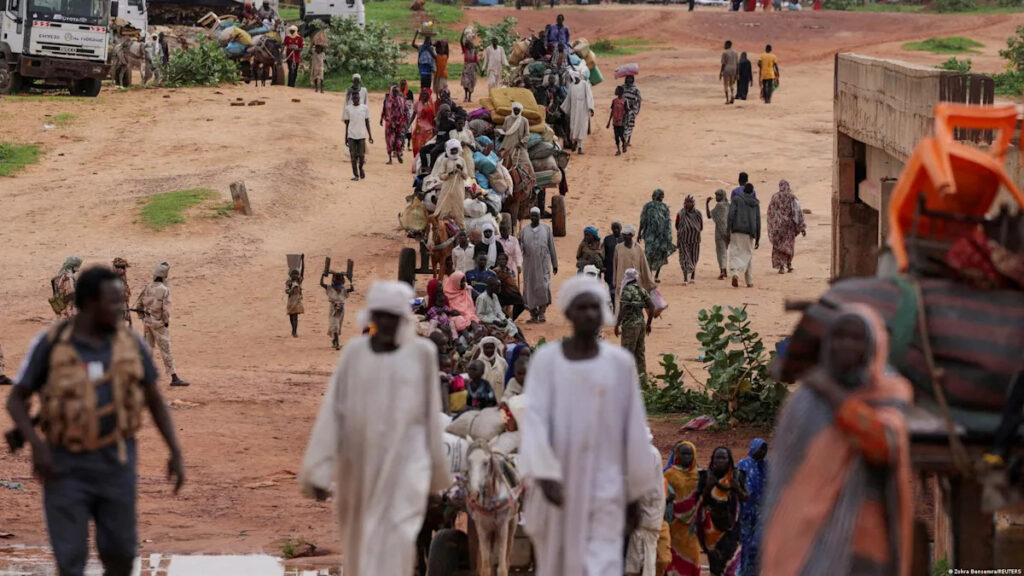
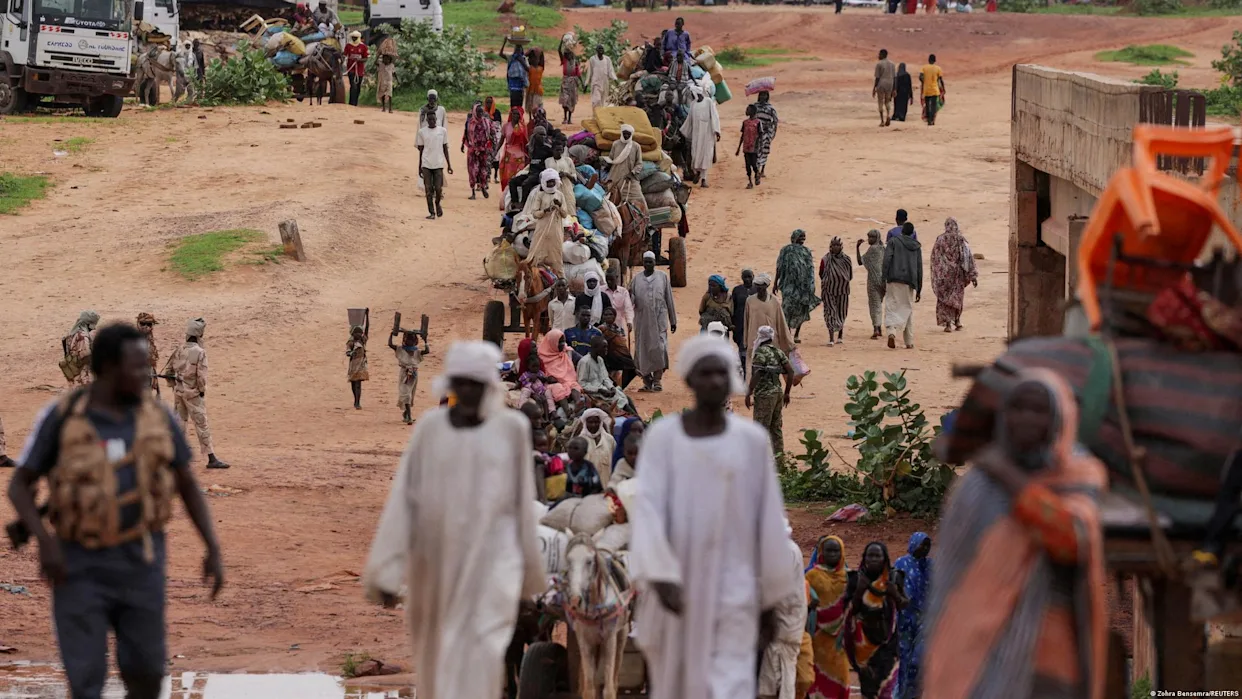
The devastating conflict in Soudan has sparked a massive humanitarian emergency, with nearly one million displaced individuals seeking safety in neighboring Tchad. This pressure has intensified following the collapse of El-Fasher in North Darfur. Within a two-week window, roughly 100,000 civilians fled the city, and about 6,000 of them managed to cross the border into Tchad. This influx places a heavy burden on a country already struggling with long-term regional volatility, a recurring theme in pan-African news.
Strategic border challenges and rising security threats
The 1,300-kilometer boundary between the two nations passes through vast desert expanses that are exceptionally hard to patrol. Historically a playground for various militias and insurgent groups, these areas are now increasingly threatened by the Rapid Support Forces (RSF), who currently hold territory across most of Darfur. Such developments are closely watched by those following West Africa news and regional security trends.
Military tensions have been mounting since late 2024. A drone strike claimed the lives of two soldiers from Tchad, and a January 2025 incursion near Tiné, linked to the RSF, resulted in seven fatalities. Consequently, N’Djamena has opted to completely shut down the border, citing the urgent need to prevent the Soudan war from destabilizing its own soil.
Official neutrality met with persistent allegations
While Tchad maintains that it is not taking sides in the Soudan conflict, the government faces serious accusations. Several investigations, including satellite imagery analysis, suggest that military supplies from the United Arab Emirates may have transited through Tchad to support the RSF. Although N’Djamena vigorously denies these reports, pointing to the attacks it has suffered, the controversy continues to influence African politics.
These external pressures are causing internal friction. In April 2025, a number of high-ranking military officials were purged, particularly those from the Zaghawa ethnic group. This community, which is deeply embedded in the national security apparatus, has a long-standing opposition to the RSF, leading to visible cracks within the country’s leadership.
A strategic pivot toward France
After a period of strained diplomatic relations, the government in N’Djamena is actively seeking to mend ties with Paris. This shift is significant for the African economy today as it relates to regional stability and international support.
The situation in Soudan is now a central pillar of the dialogue between Mahamat Idriss Déby and Emmanuel Macron. In the past, France provided essential intelligence and reconnaissance support that was vital for monitoring the border. As this assistance had recently waned, Tchad now views a renewed partnership with France as a strategic necessity to protect its territory from further spillover. For more updates on these topics, follow Panafrica News and Africa news English outlets.