Niger’s shift from western influence to russian chemical dominance
In Niger, as across the Sahel, the message is unambiguous: reclaim full sovereignty, sever ties with long-standing Western partnerships, and take charge of the nation’s future. This bold political stance has resonated with a broad swath of the population, reshaping both diplomatic and security strategies. From rhetoric to reality: the agricultural blind spot Yet when we examine the country’s agricultural value chains, a glaring vulnerability emerges. Despite the push for self-reliance, Niger’s food security and soil fertility remain critically dependent on mineral fertilizer imports and donations from Russia. By replacing…

Read More

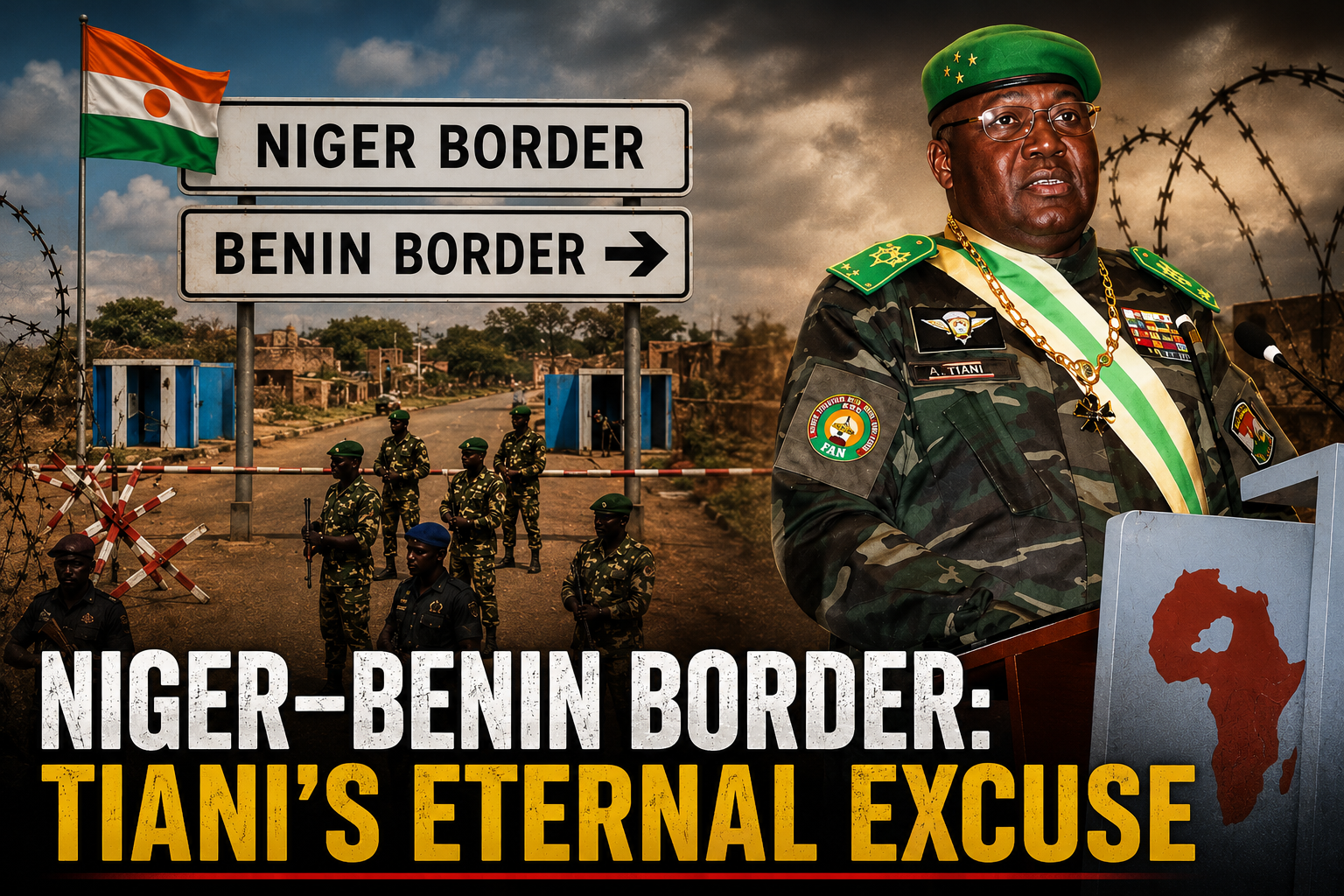
Niger Benin border closure: a political tool with heavy consequences

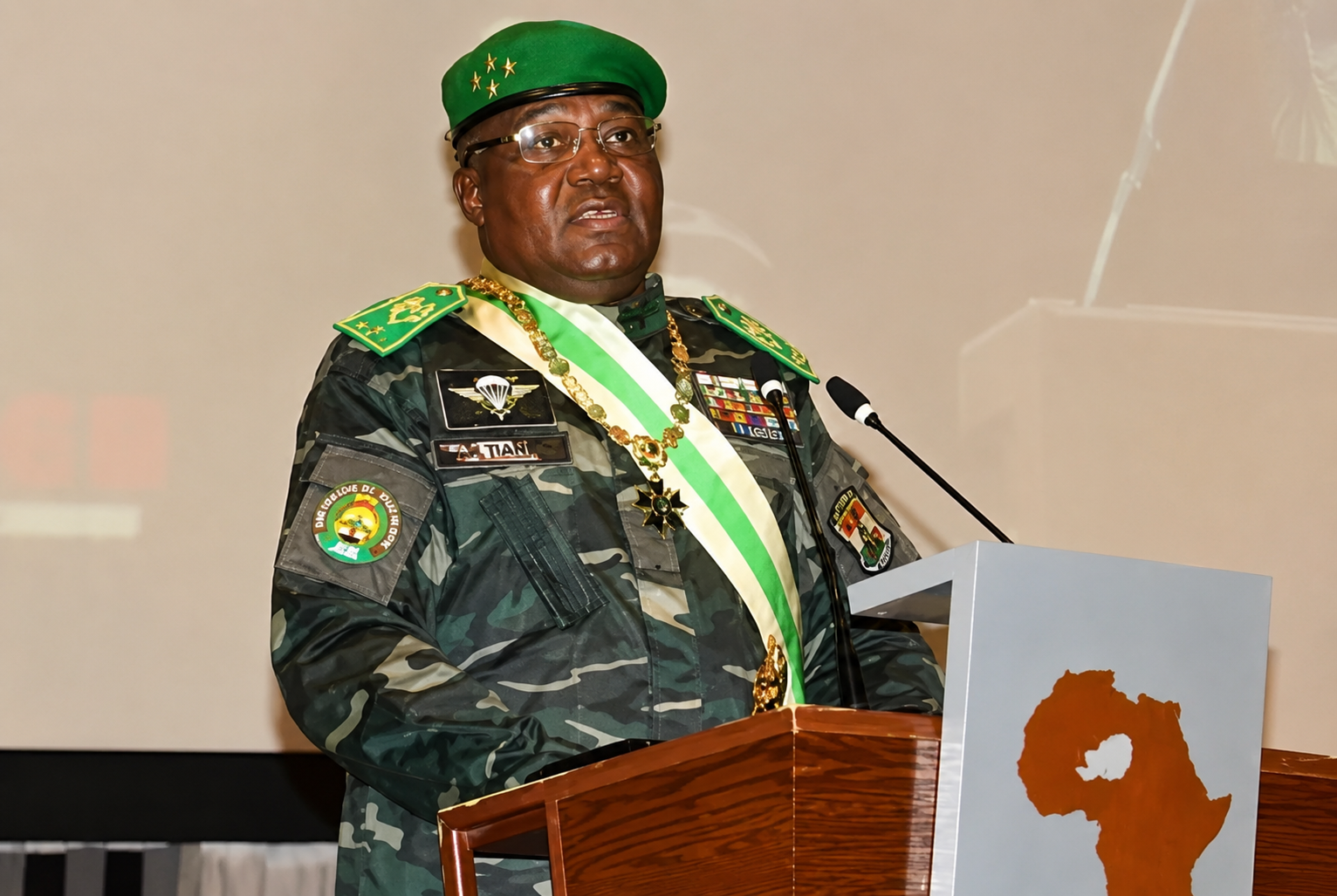
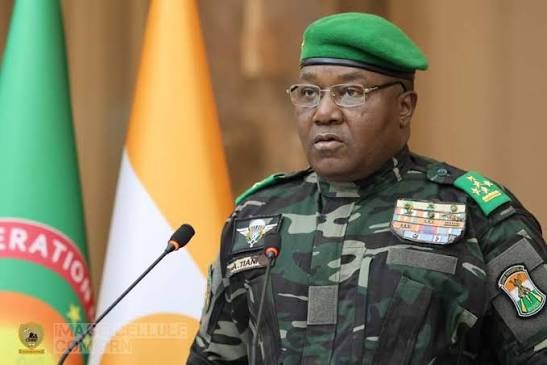
The diplomatic efforts between Niger and Benin, which had initially raised hopes for a swift resolution to the border crisis, have encountered an unexpected obstacle. Nearly two months after Beninese President Romuald Wadagni’s visit to Niamey and a month following expert-level discussions between both nations, the possibility of a gradual reopening of the border seemed within reach. However, on July 26, during a national address marking the first anniversary of his rise to power, General Abdourahamane Tiani delivered a decisive statement. Appearing on the national broadcaster ORTN, he declared, ‘Certain…

Read More

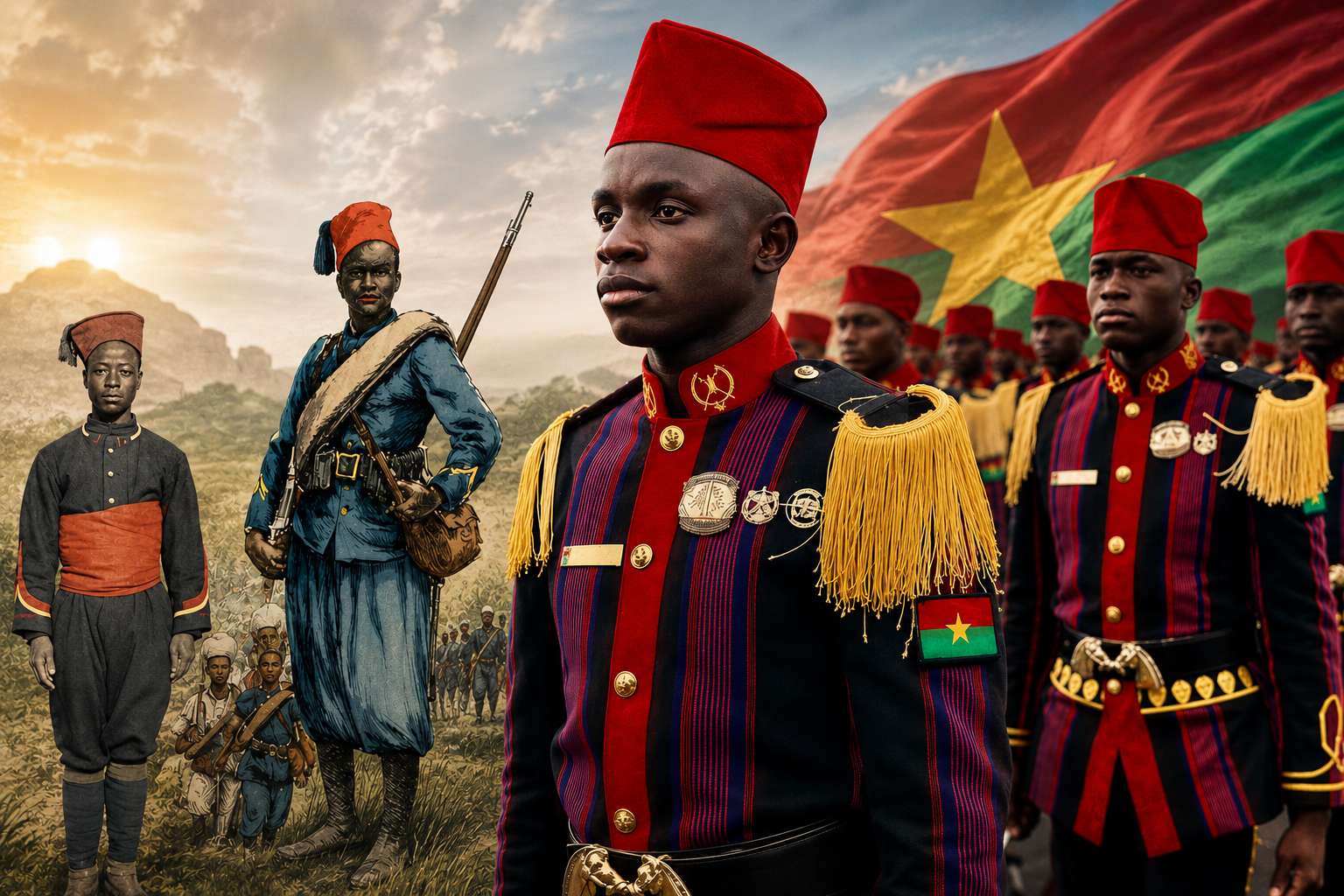
Burkina Faso grapples with sovereignty ambitions amid deepening insecurity

The line separating political posturing from ground reality in Burkina Faso grows thinner by the day. A case in point is the military junta’s recent decree establishing a “memory attire” for national commemorations tied to decolonization milestones. Marketed as a triumphant assertion of regained sovereignty and national pride, the move is part of a broader campaign to revive cultural identity markers. Yet it also reignites a pressing question: in the face of an unprecedented security crisis, what should a state prioritize? the sovereignist gamble It would be shortsighted to dismiss…

Read More

Niger three years of junta rule deepen crisis for civilians

Niger’s military leadership faces growing discontent amid unmet promises July 2023 marked a turning point for Niger as a military junta assumed control, pledging to restore national sovereignty, security, and economic stability. Three years later, these ambitious goals remain largely unfulfilled, leaving citizens grappling with worsening living conditions and persistent challenges. The junta’s narrative of regained independence contrasts sharply with the daily struggles of Nigeriens. Diplomatic isolation, regional tensions, and economic instability continue to cast a long shadow over the country’s future, challenging the regime’s claims of progress. A struggling…

Read More

Bénin steps up enforcement against smig violations

Despite the official establishment of the Interprofessional Guaranteed Minimum Wage (SMIG) at 52,000 FCFA, numerous enterprises in Bénin persist in compensating their workforce below this legally mandated threshold. In response, the government has adopted a firm stance, urging employees to report violations to the National Social Security Fund (CNSS) while emphasizing that non-compliant employers will face severe penalties. a widespread issue despite legal provisions The problem remains far from isolated. Although the SMIG was recently increased to 52,000 FCFA to enhance the purchasing power of low-income workers, many employees—particularly in…

Read More

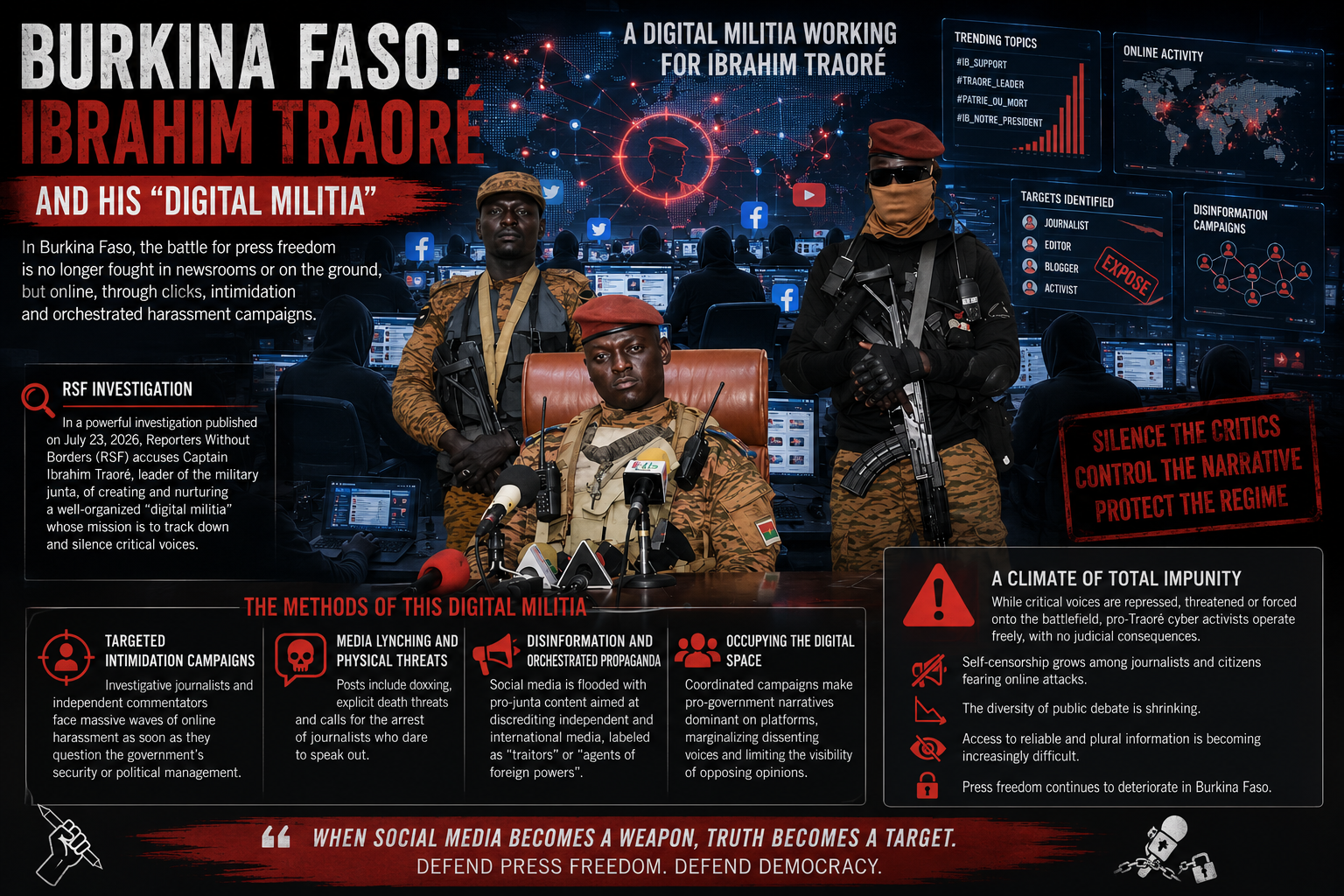
Burkina Faso’s digital suppression of dissent under Traoré

In Burkina Faso, the struggle for press freedom has shifted from newsrooms and streets to the digital realm, where repression now unfolds through orchestrated online campaigns and targeted harassment. An in-depth investigation reveals the role of Captain Ibrahim Traoré, the military junta leader, in fostering a coordinated network of cyberactivists tasked with silencing critical voices. This operation, disguised under the name Bataillons d’Intervention Rapide de la Communication (BIR-C), mirrors the tactics of military units but operates within the digital sphere. The BIR-C: A shadow network silencing dissent The BIR-C functions…

Read More

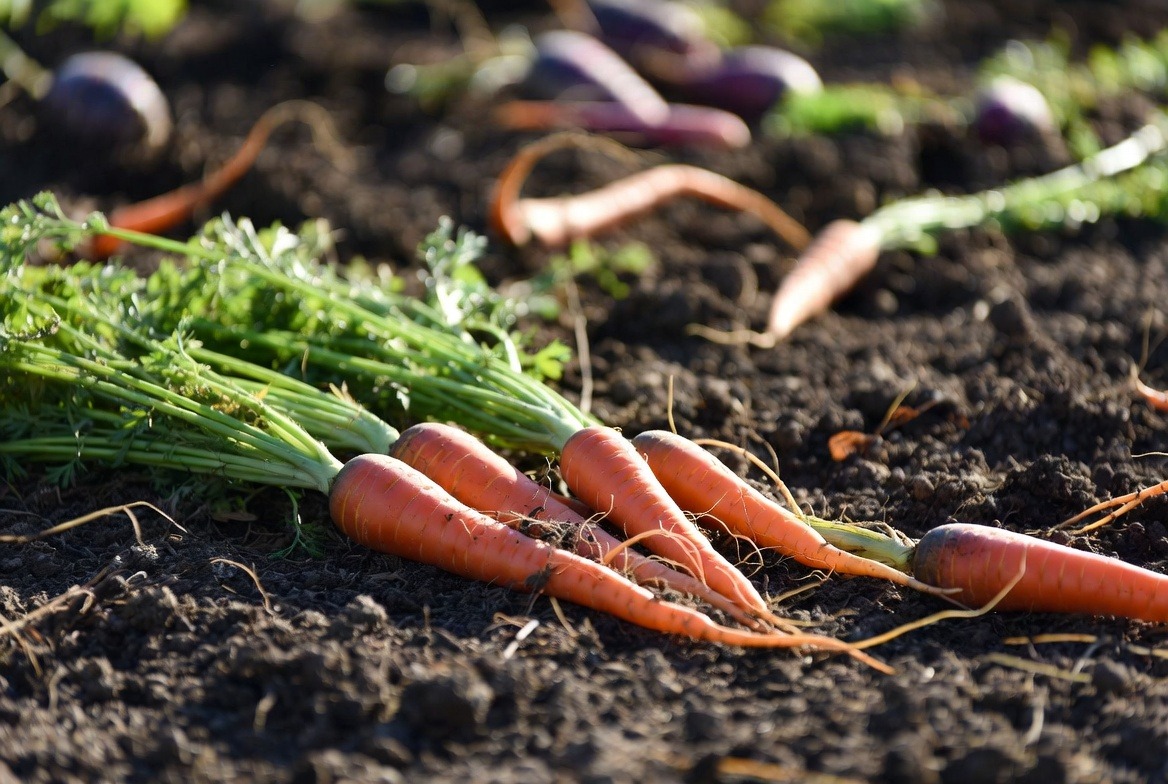
Niamey’s vegetable price surge exposes deep agricultural planning gaps

In Niamey, the rising cost of essential vegetables like tomatoes and cabbage has pushed household budgets to the brink, revealing a troubling pattern of systemic neglect in agricultural planning. While seasonal transitions between local harvests and regional imports are expected, the current price surge highlights a critical failure—not in climate conditions, but in policy foresight and executive action. Why seasonal gaps turn into year-round crises The Nigerien capital is once again grappling with skyrocketing vegetable prices during late July, a time when local production dwindles and dependence on neighboring countries…

Read More

Burkina Faso: Ibrahim Traoré’s solitary rule amid deepening instability

Throughout history, military leaders who seize power often fall prey to a persistent pitfall: mistaking the potency of rhetoric for tangible control and interpreting the quietude of a population—dictated by fear or uncertainty—as unwavering support. In Burkina Faso, this pattern appears increasingly evident. Beneath the meticulously staged appearances, the immaculate uniforms, the fiery denunciations of the ‘treacherous West,’ and the stern warnings against ‘anti-revolutionary’ behavior, a different reality is unfolding. The image of an assured leadership is gradually giving way to one of a regime grappling with escalating internal fissures.…

Read More

Burkina Faso’s military cohesion under Ibrahim Traoré’s leadership

Captain Ibrahim Traoré’s recent address in Ouahigouya has laid bare deep fractures within Burkina Faso’s ruling military establishment. His blunt language—littered with coarse expressions like « merde » and calls for uncompromising suppression—exposes not strength, but a profound crisis of confidence in the state’s security apparatus. When a leader must publicly threaten to « crush » even his own ranks, it signals a regime clinging to power not through shared doctrine or strategy, but through sheer intimidation and the perpetual threat of purge. The contradictions in his approach are stark.…

Read More

Can 2032 bid raises questions as Sahel insecurity persists

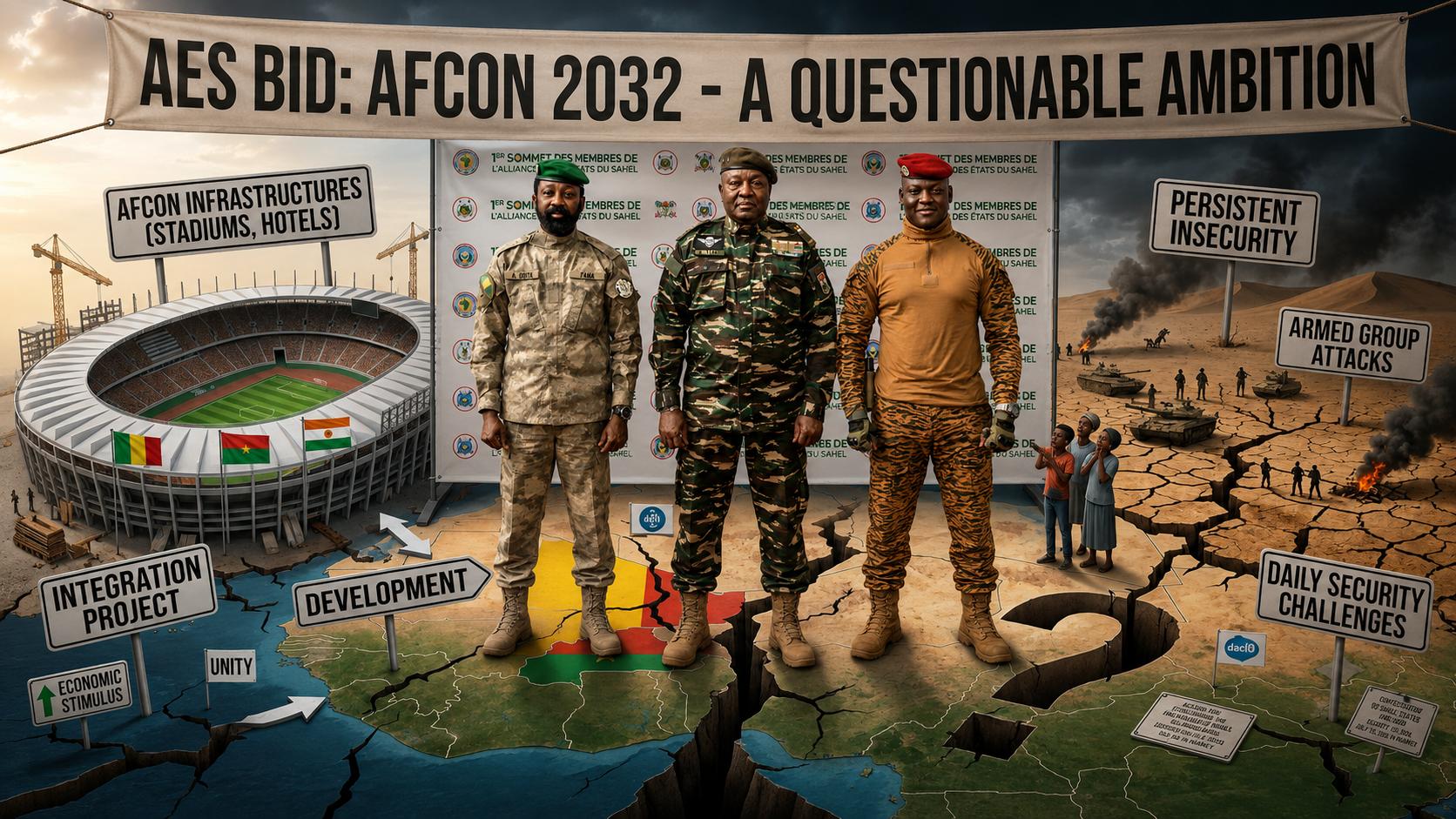
Burkina Faso, Mali and Niger jointly bid for 2032 Africa Cup of Nations amid enduring security crisis Burkina Faso, Mali and Niger have submitted a joint bid to host the 2032 Africa Cup of Nations (AFCON), positioning this initiative as a symbol of unity within the Alliance of Sahel States (AES). While the move aims to project confidence across the continent, it has sparked debate about whether these nations currently possess the minimal security and stability required to execute Africa’s premier football tournament. The challenge of hosting AFCON extends far…

Read More

Burkina Faso: Ibrahim Traoré’s rise to power through force and its consequences

Since assuming leadership in Burkina Faso following the September 2022 military coup, Captain Ibrahim Traoré has consistently addressed the nation, each speech fueling deeper discussions about the nature of his authority and the country’s political trajectory. Recent declarations from the transitional leader leave little room for interpretation: they openly endorse a seizure of power outside constitutional frameworks and reframe such ruptures as acceptable political norms. The facts speak for themselves. Ibrahim Traoré did not ascend to the presidency through democratic elections. His rise followed a violent overthrow of Lieutenant-Colonel Paul-Henri…

Read More

Togo faces scrutiny over foreign military presence

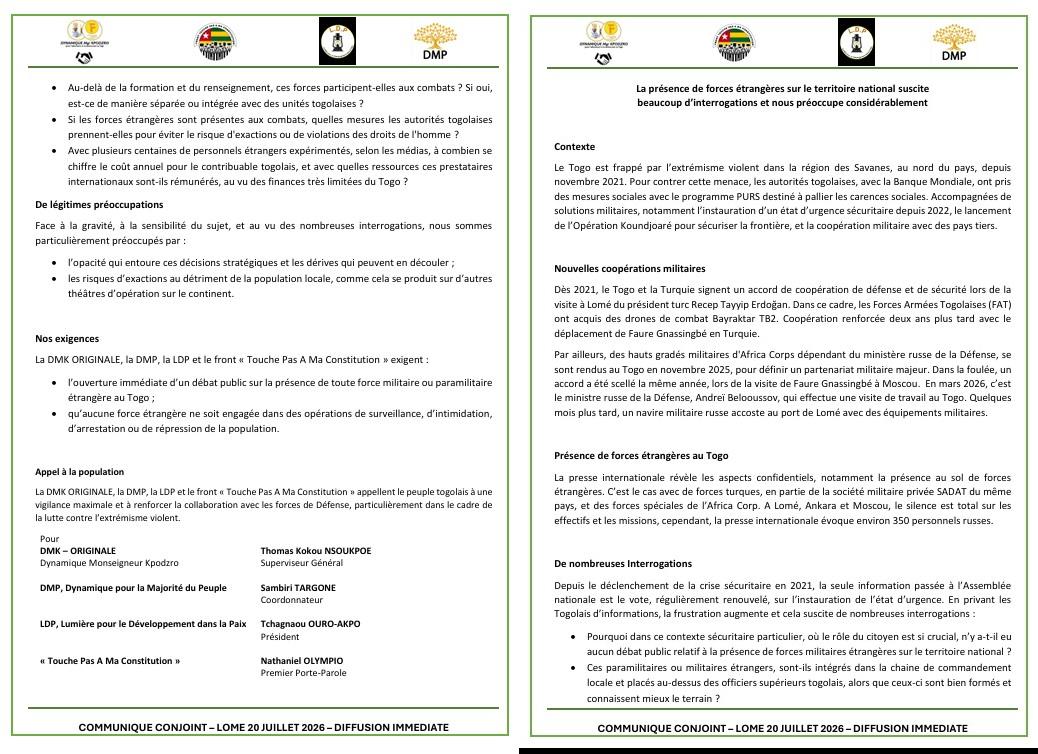
Unanswered questions on foreign military deployment in Togo In any democracy, matters of national defense are inherently shrouded in confidentiality. Critical operations, intelligence gathering, and strategic alliances cannot be fully disclosed to the public. Yet blanket secrecy, especially when prolonged, often breeds suspicion rather than trust. In Togo, whispers about the presence of foreign military personnel—particularly from Russia and Turkey—have intensified, raising pressing questions that demand clear responses from authorities. The specter of protection amid political unrest While defense cooperation is not inherently problematic, the opacity surrounding these arrangements has…

Read More