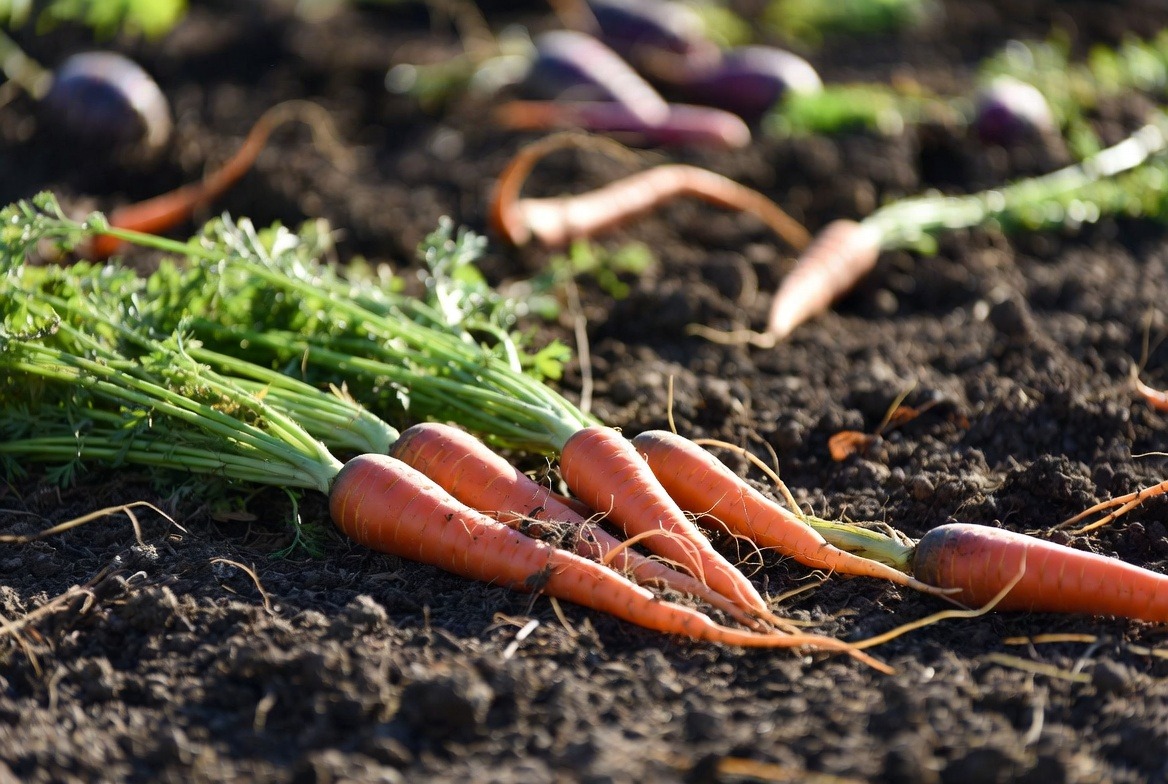
In Niamey, the rising cost of essential vegetables like tomatoes and cabbage has pushed household budgets to the brink, revealing a troubling pattern of systemic neglect in agricultural planning. While seasonal transitions between local harvests and regional imports are expected, the current price surge highlights a critical failure—not in climate conditions, but in policy foresight and executive action.
Why seasonal gaps turn into year-round crises
The Nigerien capital is once again grappling with skyrocketing vegetable prices during late July, a time when local production dwindles and dependence on neighboring countries like Benin, Nigeria, and Ghana intensifies. Yet this isn’t just a temporary imbalance—it’s a recurring symptom of deeper structural issues that remain unaddressed year after year.
Agricultural investment deficit: the root of the problem
The cycle is predictable but never resolved. Niger exports surplus produce during the dry season only to face drastic shortages when rains return, leaving households vulnerable to price manipulation. Behind this vulnerability lies a chain of missed opportunities:
- Storage infrastructure gap: Without adequate cold storage facilities, surplus crops from earlier seasons spoil instead of being preserved for leaner months, destabilizing supply.
- Limited processing capacity: A lack of local processing units—especially for tomatoes—means no buffer stock can be built to smooth out seasonal shortages.
- Overreliance on rain-fed agriculture: Without modern hydro-agricultural systems to enable off-season cultivation, food production remains hostage to unpredictable weather patterns.
What should be a manageable logistical transition becomes a full-blown purchasing power crisis, all because of shortsightedness and a refusal to invest in resilience.
Where are the policy responses?
Despite clear warnings from market data—reports indicate wholesale price spikes (35,000 FCFA for a basket of Nigerian tomatoes, 25,000 FCFA for cabbage)—no emergency measures have been announced to:
- Cap speculative margins in wholesale and retail markets.
- Introduce targeted subsidies to cushion low-income families.
- Publish a long-term strategy to prevent recurring price shocks at the same time next year.
The silence from authorities speaks volumes. Instead of proactive intervention, there’s resignation to the volatile dynamics of cross-border trade, leaving citizens to bear the brunt of inflation without recourse.
The growing dependence on imports is no longer just a seasonal reality—it’s becoming a chronic condition, driven by the inability of leadership to implement a coherent agricultural development roadmap. The urgency is undeniable: it’s time for decisive action, not empty promises.