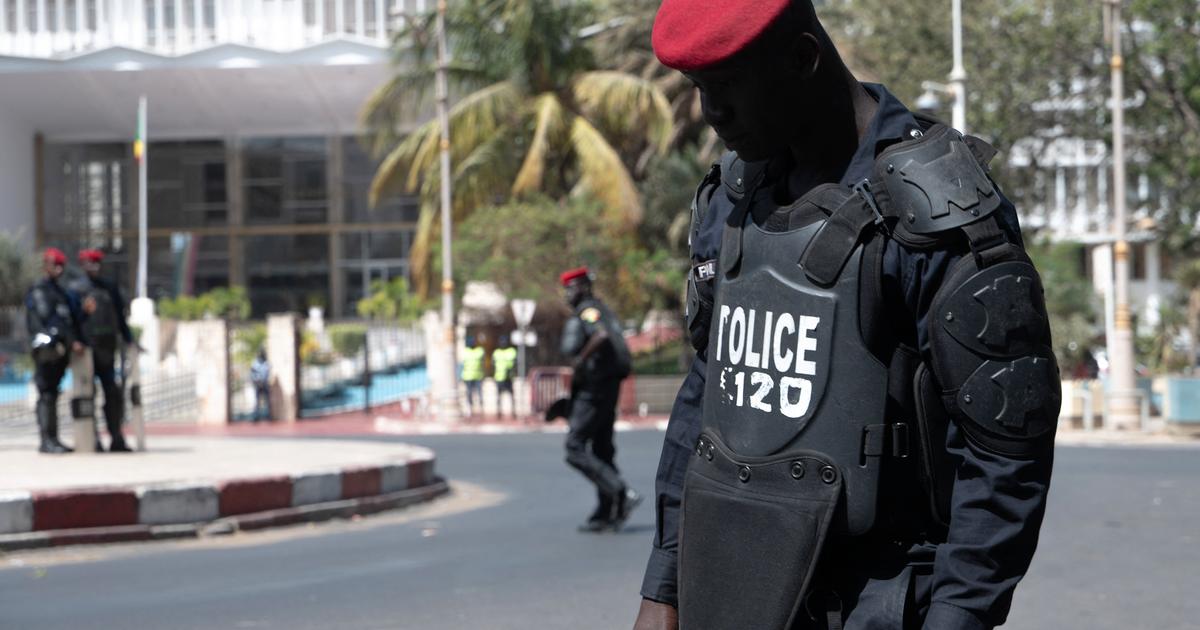
For Amadou Bangoura, a 30-year-old student from Bénin, the night of July 15 will remain etched in his memory. Around 10 p.m., he left his gym in the Liberté 6 district of Dakar to head home. The streets were nearly empty, shops had closed, and only the occasional vehicle headlights cut through the darkness. Suddenly, a police patrol ordered him to stop. Two officers stepped out and demanded, “Your papers.”
Residing in Sénégal for five years with a valid residency permit, Bangoura was shaken by the experience. “I didn’t know what might happen next,” he shared, reflecting the growing unease among foreign residents in the country. His story mirrors concerns raised by civil society groups about a sweeping crackdown on West African nationals, particularly Guineans, who make up over 40% of the foreign population in Sénégal.
intensified controls under the microscope
Between June 30 and July 8, the Direction de la Police des Étrangers et des Titres de Voyage conducted 490 identity checks across Dakar and its suburbs. Authorities justified the operations as part of efforts to “strengthen public safety,” but critics argue the measures disproportionately target foreigners. Thirty-six individuals were referred to prosecutors for irregular stay violations, raising questions about the fairness and necessity of such sweeping actions.
a shift in hospitality or growing xenophobia?
Civil society leaders have decried what they describe as a “systematic culture of suspicion” toward foreigners. In a July 13 statement, they highlighted arbitrary detentions, excessive administrative demands, and prolonged detentions as hallmarks of the current climate. The backlash extends beyond policy—social media platforms like TikTok have amplified hostile rhetoric, with some accusing Guinean residents of stealing jobs from Senegalese citizens. These sentiments echo troubling trends seen elsewhere on the continent, including recent xenophobic activism in South Africa.
The timing of these controls is particularly noteworthy, coinciding with Sénégal’s recent assumption of the presidency of the Economic Community of West African States (ECOWAS). While authorities emphasize security imperatives, the broader implications for Sénégal’s reputation for hospitality—Teranga in Wolof—are under scrutiny.