Senegal’s prime minister tightens travel controls on top officials
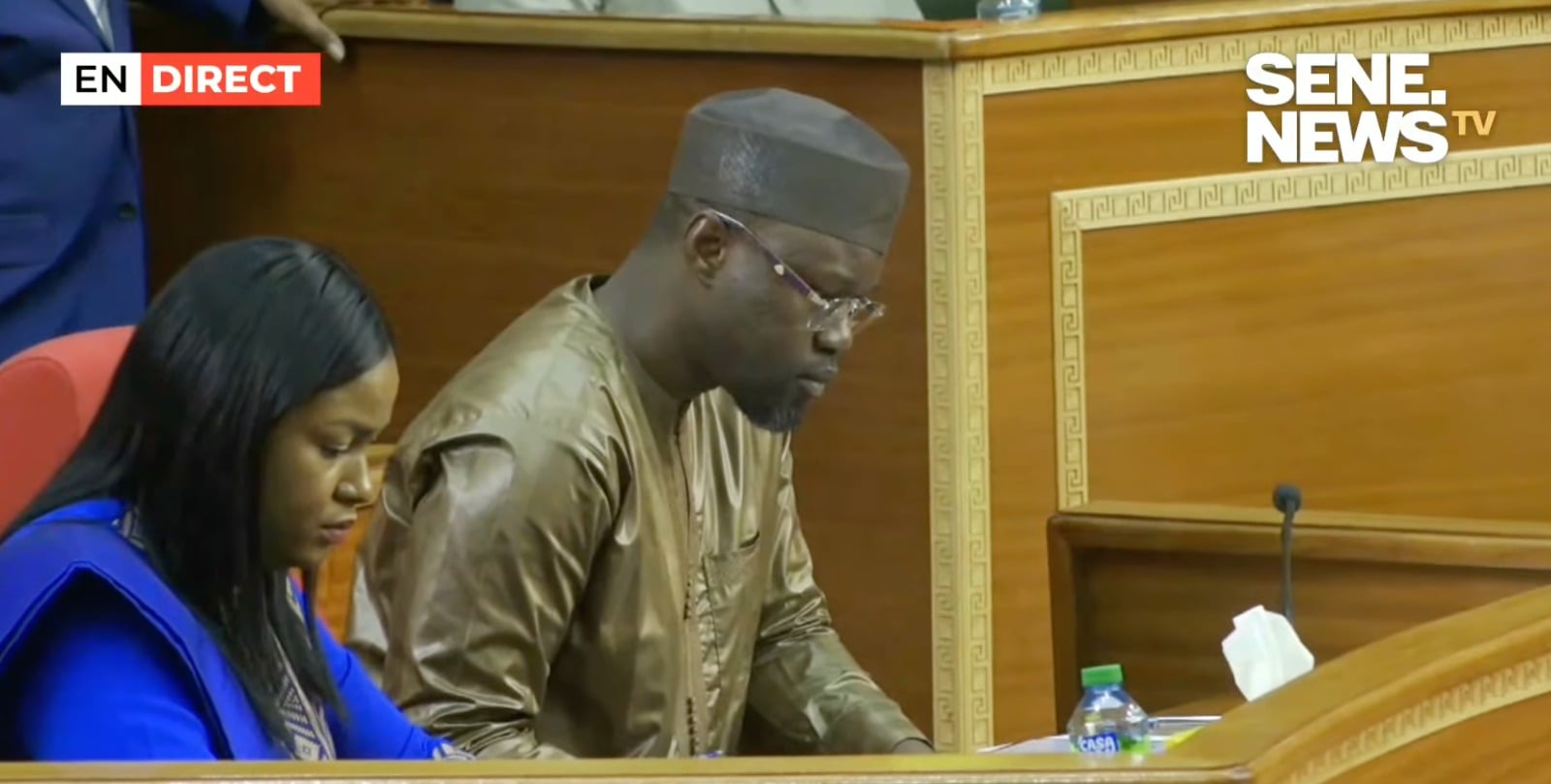
To curb what he calls extravagant administrative travel, Prime Minister Ousmane Sonko has rolled out strict new guidelines governing official trips abroad by ministers and top state-owned enterprise executives.
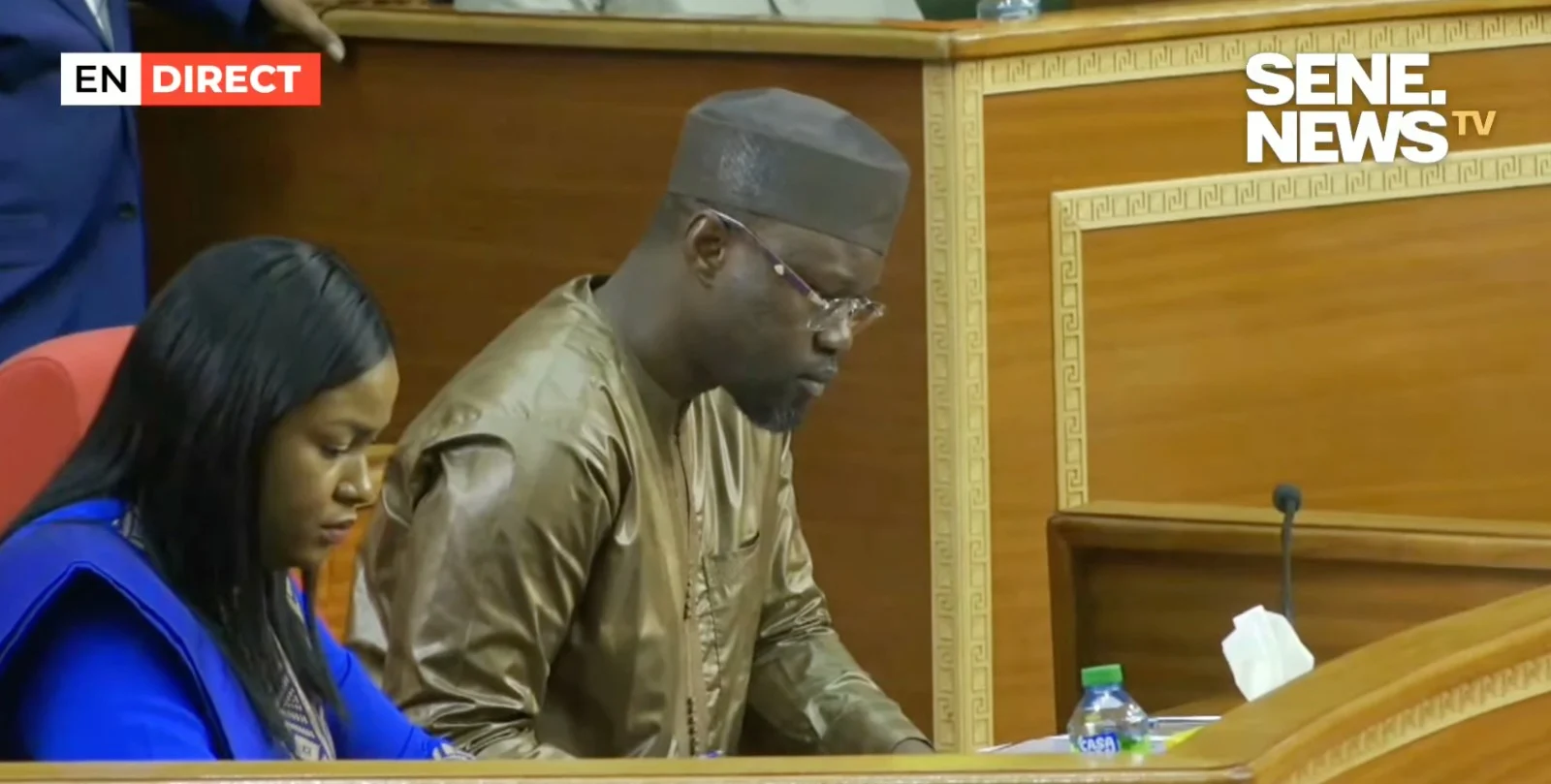
Prime Minister Ousmane Sonko has introduced sweeping changes to how senior government officials and state enterprise leaders request and receive approval for international travel. The reforms target what Sonko described as excessive mission expenditures that have placed an unnecessary burden on public finances.
Under the new framework, travel requests from ministers will now face near-automatic rejection unless deemed absolutely essential. However, Sonko pointed out a critical gap in oversight concerning the travel habits of General Directors (DG). These officials, he noted, often bypass direct accountability by citing oversight from their respective ministries.
To assess the full scope of the issue, Sonko requested a detailed review of all foreign travel conducted by DGs over the past three months. The findings were revealing: several directors spent prolonged periods abroad—up to 30 days within a 90-day window, with others clocking 20 or 15 days. Such extended absences, Sonko argued, undermine operational efficiency and transparency within public institutions.
In response, the Prime Minister announced a comprehensive restructuring of the foreign travel approval process. Moving forward, all mission requests—including those from General Directors—must receive his personal authorization. This centralized oversight aims to eliminate loopholes and ensure strict adherence to the newly established travel policy.