Burkina Faso severs ties with France, joins AES bloc in anti-Paris stance
The Government of Burkina Faso announced the immediate severance of diplomatic relations with France on Friday, June 26, 2026. This decisive move, framed by Ouagadougou as an assertion of national sovereignty, underscores the deepening rift between the two nations and aligns Burkina Faso with the positions of Mali and Niger within the Alliance of Sahel States (AES).

Reasons behind the diplomatic break
The decision was communicated through a televised address by Pingdwendé Gilbert Ouédraogo, Government Spokesperson, who declared the rupture effective immediately. Authorities in Burkina Faso cited France’s alleged interference in domestic affairs, perceived neocolonial ambitions, and support for networks deemed hostile to the nation’s interests as key grievances. Paris has dismissed these accusations, calling the move an “unfounded and hostile act.”
The announcement did not occur in isolation. Since the September 2022 coup that brought Captain Ibrahim Traoré to power, relations between Ouagadougou and Paris have steadily deteriorated. Burkina Faso has systematically reduced French influence, including:
- The January 2023 expulsion of French special forces under Operation Sabre.
- The suspension or banning of French media outlets such as RFI, France 24, and TV5 Monde.
- The expulsion of French diplomats amid recurring accusations of incompatible activities.
AES bloc solidifies anti-France front
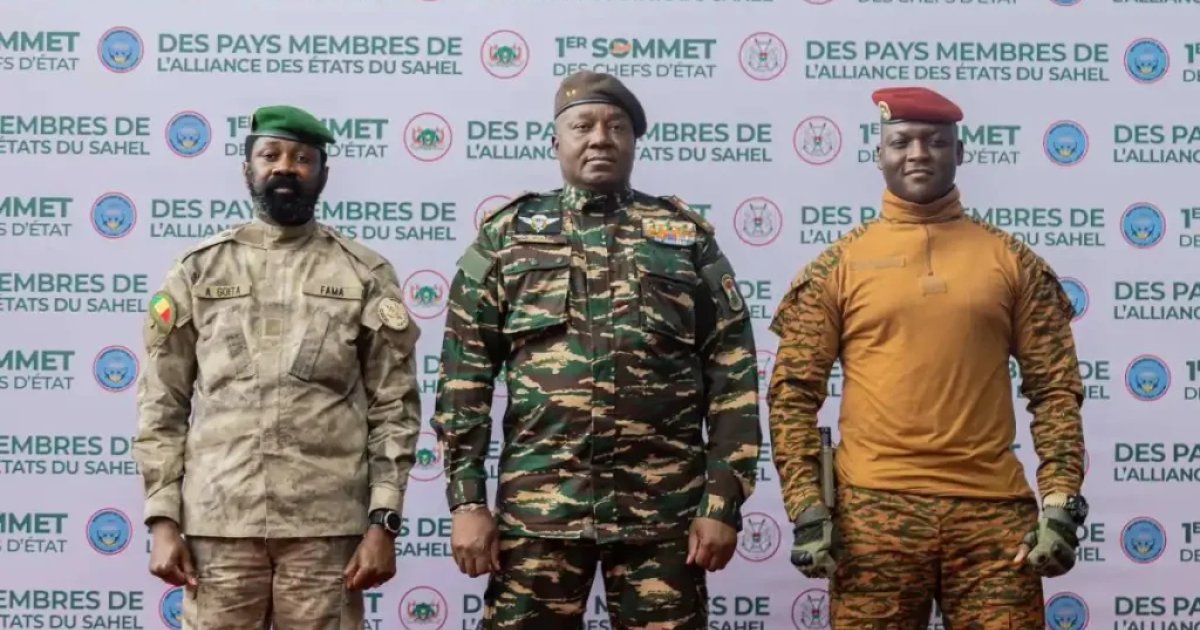
Burkina Faso’s decision completes the alignment of the three AES member states—Burkina Faso, Mali, and Niger—against France. Both Mali and Niger had already initiated their own processes of severing ties with Paris, driven by political, military, and diplomatic tensions.
This unified stance reflects a broader shift in the Sahel region. Following their withdrawal from the Economic Community of West African States (ECOWAS), the AES countries have strengthened internal cooperation and diversified international partnerships. New alliances have emerged with countries such as Russia, Turkey, and Iran, signaling a strategic pivot away from traditional Western partners.
For Ouagadougou, severing ties with France represents a commitment to redefining its diplomatic and security alliances. For Paris, it marks a further decline of its influence in a region where it once held considerable sway. The move ushers in a period of uncertainty regarding the management of bilateral diplomatic, consular, and security interests.
The AES bloc’s unified front against France signals a new phase in Sahelian geopolitics, where the alliance is determined to assert its sovereignty and reshape its international partnerships on its own terms.