The ascension of Captain Ibrahim Traoré to power in Burkina Faso has positioned him as a prominent voice in the discourse surrounding African sovereignty. Through an assertive communication strategy and a robust presence on digital platforms, the transitional authorities aim to propagate the notion of a significant economic resurgence within the country.
Controversy surrounding the economic narrative
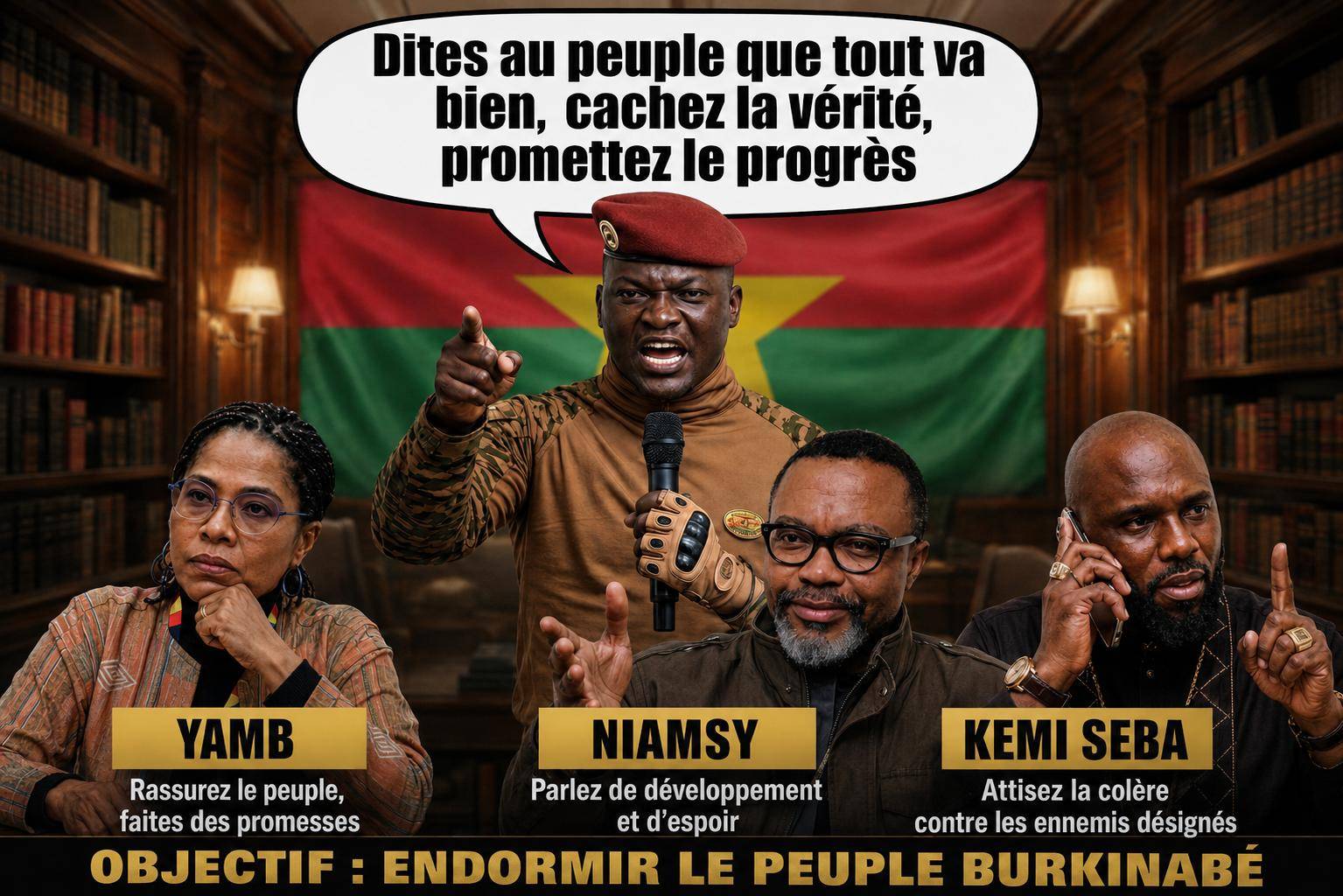
This optimistic portrayal is actively promoted by a network of panafricanist influencers and political activists, including prominent figures such as Nathalie Yamb, Franklin Nyamsi, and Kemi Seba. These individuals frequently amplify the government’s messaging on social media, framing Burkina Faso as a pioneer of an alternative development model, liberated from historical foreign dependencies.
Diverging perspectives on economic performance
Nevertheless, independent economists, analysts, and critical voices caution against accepting the official discourse at face value. They argue that several proclaimed achievements may be more reflective of strategic political communication than substantive, measurable economic transformation.
Proponents of the regime often highlight accelerated industrialization, revitalized domestic production, expanded processing units, and the assertion of economic sovereignty as key milestones. Critics, however, counter that many of these initiatives were already in development prior to Traoré’s leadership, while others remain unfulfilled promises or lack verifiable outcomes.
Beyond these discrepancies, detractors emphasize that the government’s narrative frequently emphasizes symbolic victories, often overshadowing persistent challenges in security, humanitarian conditions, and social stability.
Financial mobilization and transparency concerns
A central component of the authorities’ strategy involves the introduction of a 1% levy on the incomes of certain workers, alongside other voluntary contributions, intended to fund national priorities. While supporters view these measures as patriotic contributions in extraordinary circumstances, trade unions, civil society organizations, and independent observers demand greater accountability regarding fund utilization.
These stakeholders insist on the necessity of detailed financial reports and independent audits to ensure transparency and restore public trust. Without such measures, they argue, the legitimacy of the financial mobilization remains questionable.
Questioning the validity of economic claims
Further scrutiny has been directed at the veracity of some economic assertions, particularly regarding claims of financial independence. Certain narratives suggest Burkina Faso has foregone over one billion dollars in foreign aid in pursuit of sovereignty. Critics contend that such claims are misleading, as international partnerships and funding continue to play a significant role in the country’s fiscal landscape.
For instance, Japan has maintained and even expanded its development cooperation with Ouagadougou through various assistance programs amounting to several tens of billions of CFA francs. These realities, according to critics, undermine the narrative of a complete break from international donors, which is often emphasized by the regime’s supporters.
Reconciling narrative with reality
This scrutiny raises fundamental questions about the distinction between political messaging, ideological mobilization, and objective policy evaluation. While the government’s communication seeks to project an image of economic progress, the lived experiences of many Burkinabè citizens continue to reflect persistent challenges.
The debate extends beyond Burkina Faso, prompting broader discussions on the role of communication in shaping perceptions of economic performance and the responsibilities of leadership in fostering transparent governance.