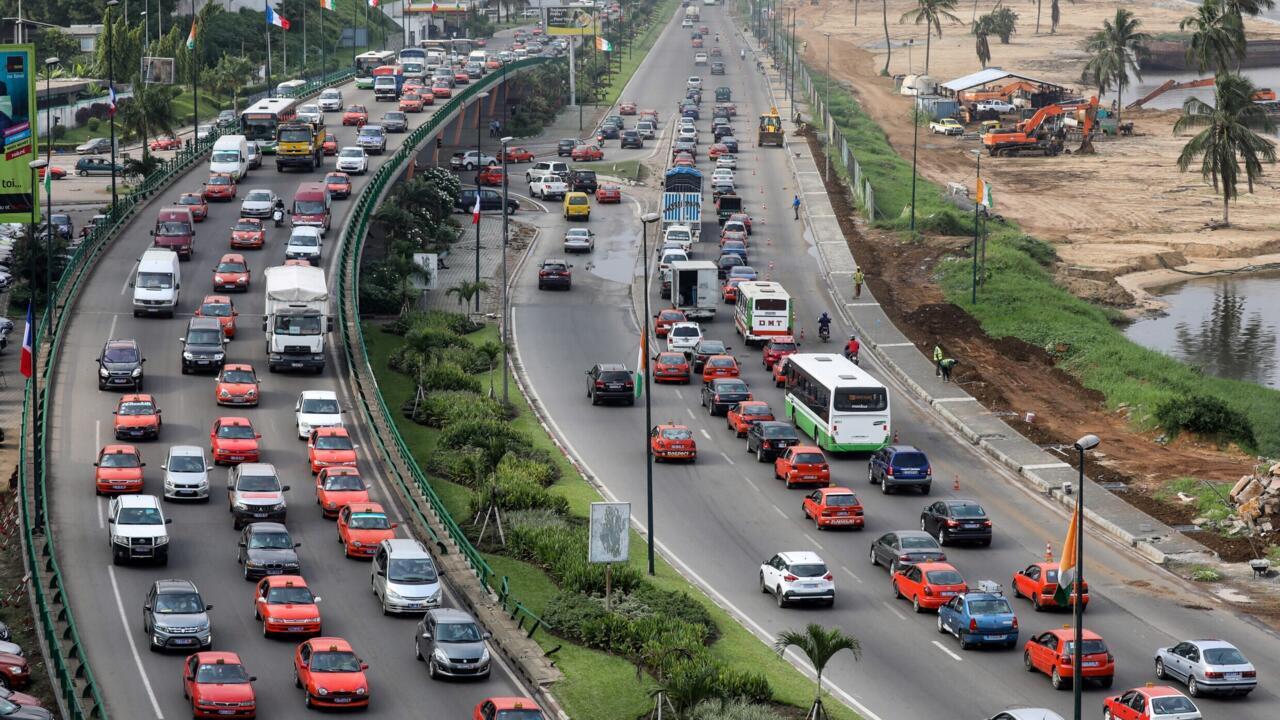
Côte d’Ivoire is witnessing a significant shift towards sustainable transportation, with over a thousand electric vehicles now navigating its roads. These quiet, fuel-efficient automobiles are particularly prevalent within the VTC sector in Côte d’Ivoire, where they promise substantial reductions in operational expenses, a key factor in the evolving African economy today. However, this burgeoning adoption faces notable obstacles, including the high initial purchase price, a scarcity of charging infrastructure, and a heavy reliance on imported components.
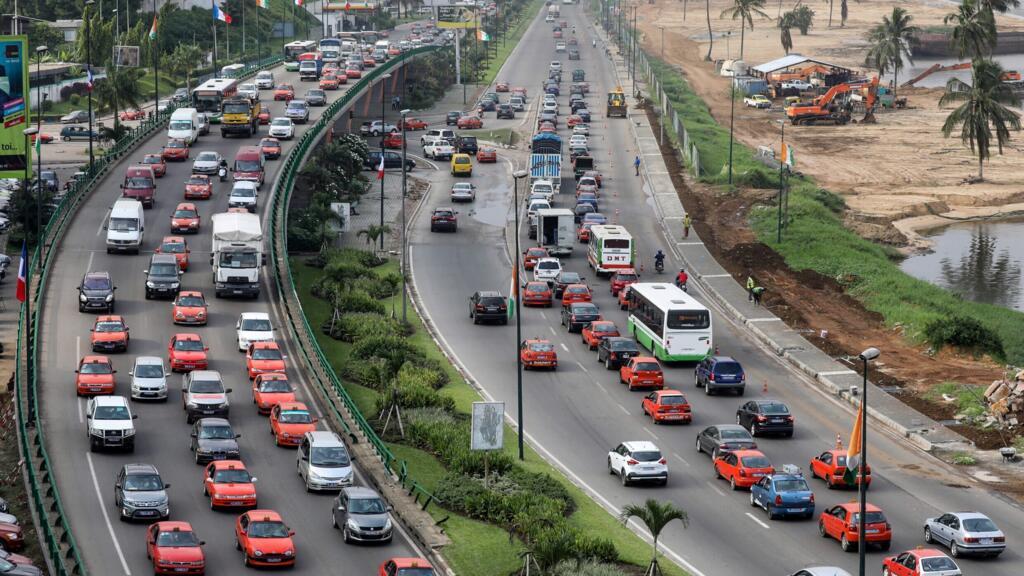
Piloting an electric vehicle through the bustling streets of Abidjan, Mouhamed Kanaté efficiently completes his daily rides. As a VTC driver for the past two years, he contributes a daily revenue of 28,000 FCFA to his employer. Kanaté, an accountant by profession with a keen interest in environmental issues, opted for an electric car to significantly reduce his daily expenditures and enhance his overall profitability. He explains the financial advantage: « Unlike conventional thermal vehicles, a minimum refill costs 20,000 FCFA. With an electric car, the maximum you spend is 13,000 FCFA. This allows you to operate well below the 20,000 FCFA mark, generating a profit that supports your family and covers other expenses. It’s truly profitable. »
The three leading VTC operators present in the Ivorian market are increasingly investing in these innovative electric vehicles. Industry figures indicate that approximately 300 such units are presently deployed for urban transportation across Abidjan. However, the expansion of this eco-friendly mobility solution in West Africa faces several formidable challenges. A primary concern is the substantial acquisition cost, with each vehicle priced at no less than 14 million FCFA. Furthermore, the nation’s charging infrastructure remains underdeveloped, with only about a hundred charging stations available nationwide. Mouhamed Kanaté also highlights the complexities of maintenance: « Equipment upkeep poses significant difficulties, particularly the scarcity of mechanical parts. Since these are imported vehicles, there isn’t yet a wide network of spare parts suppliers. »
Boosting investment in electric mobility
In response to this escalating demand for electric vehicles, various dealerships are expanding their product ranges. Sinoafrik, a representative of prominent Chinese automotive brands in Abidjan, exemplifies this trend. Their Cocody showroom now prominently displays electric SUVs and sedans. Initially, the focus was on educating and reassuring potential customers. Reine Trésor Gosset, a sales executive, notes: « We encouraged them to understand the model better, emphasizing its superior economic and practical benefits. Now, there’s genuine demand, with a stronger buying interest replacing mere curiosity. The most sought-after models currently are those suited for VTC operations and compact cars. »
The Ministry of Transport in Côte d’Ivoire has declared its commitment to supporting this shift towards greener transportation, particularly through attractive incentives for investors. Jean-Marc Atché, the Director of Planning and Projects, elaborated: « Our investment code currently provides numerous facilitations to promote and streamline the establishment of investors. We are actively backing several ongoing initiatives, notably the planned construction of a major factory dedicated to the local assembly of electric vehicles right here in Côte d’Ivoire. »
The Ivorian government aims to lead by example, setting a target for electric vehicles to comprise 10% of its administrative fleet by the year 2030.