DRC church leaders challenge proposed constitutional amendments
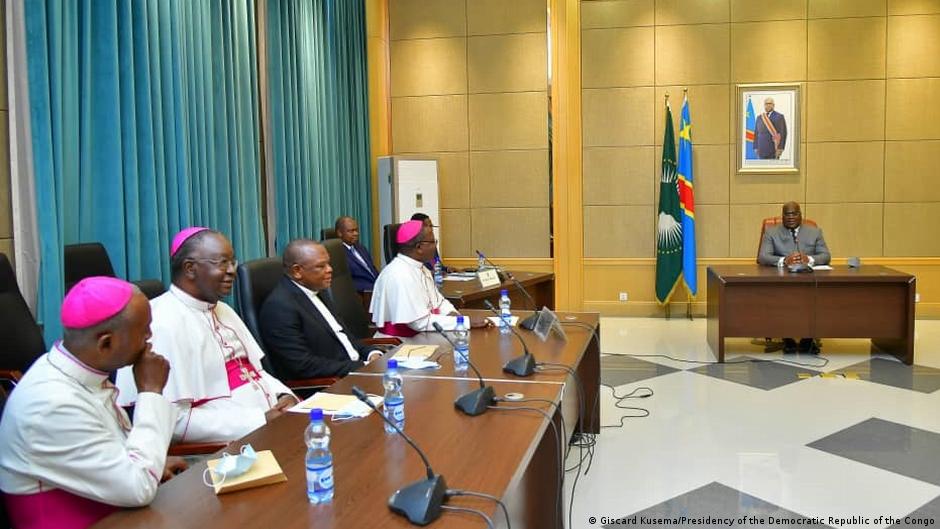
22 juin 2026The rejection of constitutional amendments, previously a stance predominantly held by the political opposition, now garners significant backing from CENCO. This influential institution holds substantial sway over public opinion across the Democratic Republic of Congo.
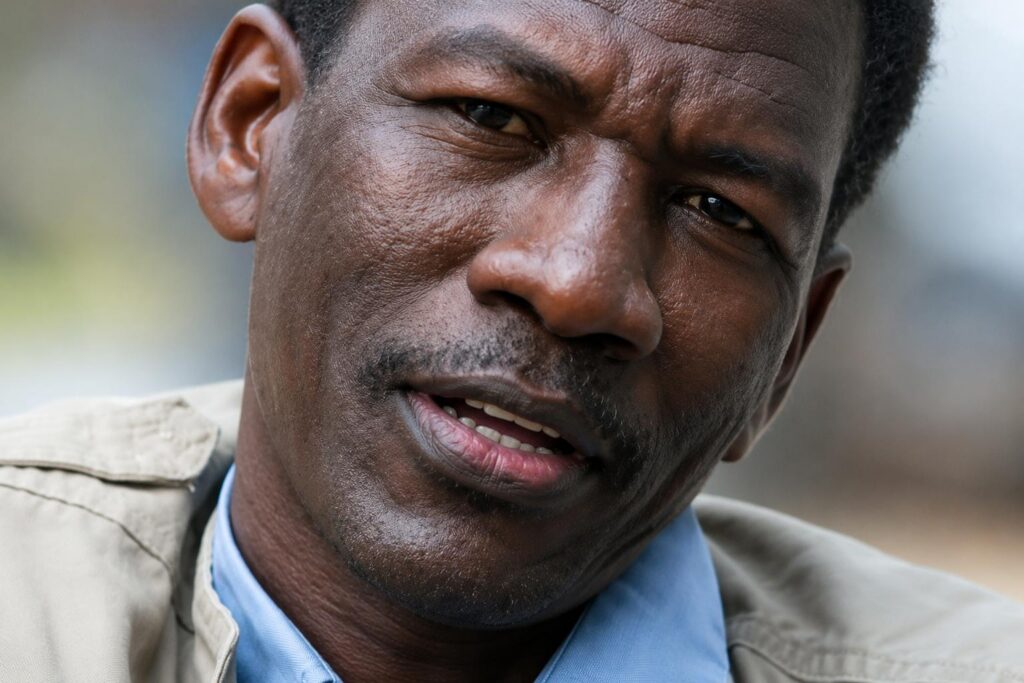
According to Abbé Donatien Nshole, CENCO’s Secretary General, the constitutional reform envisioned by the current administration is neither necessary, urgent, nor timely.
“To the clergy and pastoral agents,” stated Abbé Nshole, “we urge broad dissemination of this message and a concerted effort to awaken the consciousness of our faithful, as well as all people of good will, to resist manipulations aimed at changing the Constitution. We reserve the right to inform you, when the time is right, of concrete actions to be undertaken.”
The prelates appear intent on influencing the national political discourse by cautioning against initiatives they perceive as likely to further destabilize the country. This comes at a time when the eastern regions are already grappling with profound insecurity and persistent social tensions across the nation.
In Kinshasa, residents hold diverse views regarding CENCO’s firm stance. Each individual offers a unique perspective on the matter.
“Many people focus on the President, thinking he might get another term,” observed one young woman. “But we need to consider the general interest, because he is actually doing things for the people.”
Another resident posed, “If we look closely, the country itself is not in a good state. There’s a state of siege, a state of war in the East. How can one change the Constitution under such circumstances?”
A young man offered a different viewpoint, suggesting, “The Constitution must also be conducive to engagement on the international stage. If the Constitution isn’t adapted, we won’t secure our place as a sovereign state with the capacity to establish treaties and so forth.”
CENCO’s significant influence
While CENCO lacks formal institutional power to block potential reforms, its social, political, and diplomatic influence remains undeniable. Political analyst Christian Moleka underscored this crucial aspect.
As the debate intensifies, the opposition has already announced street demonstrations for July 8, this time demanding the resignation of President Félix Tshisekedi. The Secretary General of the presidential party, UDPS, has accused the opposition of attempting to incite a popular uprising across the nation.