Empowering young voices: children’s rights education in Gaya, Niger
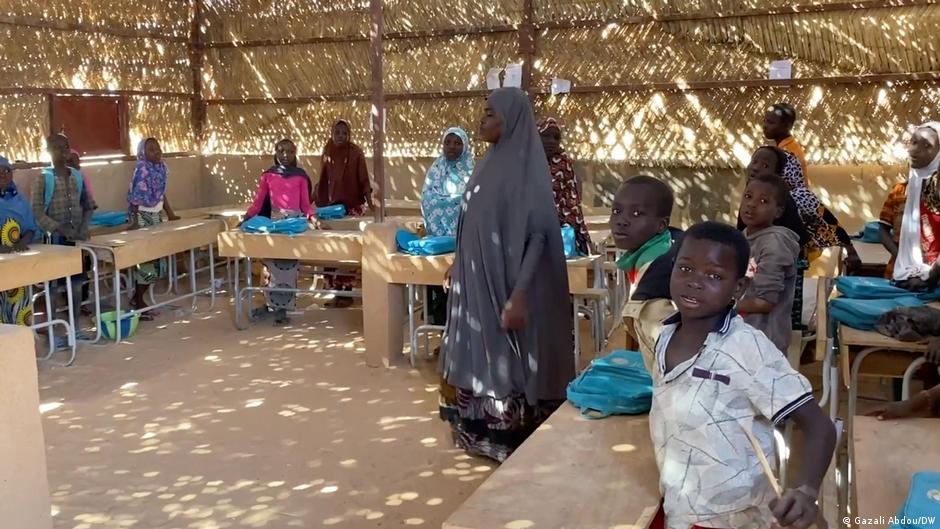
16 juin 2026The school bell may have signaled the end of class, but for a group of children aged 9 to 12 at Gaya’s mission school, the day’s lesson on rights continued to resonate in the hallways. Their animated discussions revealed a newfound understanding:
“Before today, I thought rights were only for grown-ups, like driving or voting.”
“Yes, we have the right to be cared for when we’re sick, and nobody has the right to hurt us.”
“Friends, we can also speak up, so parents and teachers should listen to us. If we need something, we can explain it without getting scolded.”
Today’s ethics class, led by their dedicated teacher, specifically addressed the topic of children’s rights. It’s a unique subject whose impact clearly extends beyond the classroom walls.
Aïssatou, the teacher, immediately notices the positive effects of these lessons. “The discussion truly continues after class; I’ve observed how excited students become when they realize they possess their own rights,” she shares. “Children absorb a great deal during these ethics lessons. They memorize and implement everything they learn.”
Instilling core values in young learners
The teaching of rights follows the Competency-Based Approach (APC), tailored to various educational levels, as explained by counselor Omar. “From kindergarten, children learn about their rights through stories and songs. We cover fundamental aspects like the right to education and health,” he clarifies. “As they progress to secondary school, this evolves into civics and ethics courses. At the primary level, it’s solely the ethics curriculum. Through these lessons, we lay the groundwork for their understanding of human rights.”
The challenge of rights awareness
However, not all children in this West Africa nation have the opportunity to reach secondary education. Many drop out, continuing their development without ever being exposed to these crucial concepts of rights. For instance, we encountered an eleven-year-old boy on the street, collecting plastic bottles. Off-microphone, he confided that he believes “rights are reserved for adults.” This poignant observation underscores the urgent need to educate children about their rights, extending beyond traditional classrooms and blackboards, to ensure every young person in Niger understands their inherent worth and protections.