Gabon is reassessing its long-term power purchase agreement with Karpowership, a subsidiary of Turkey’s Karadeniz Holding, amid growing concerns over budget transparency and operational efficiency. Officials in Libreville currently pay 1.8 billion Central African francs monthly for a theoretical capacity of 150 megawatts, yet actual power delivered hovers between 80 and 90 megawatts. This discrepancy has intensified scrutiny as the transitional government pushes for stricter fiscal oversight.
From temporary fix to long-term liability
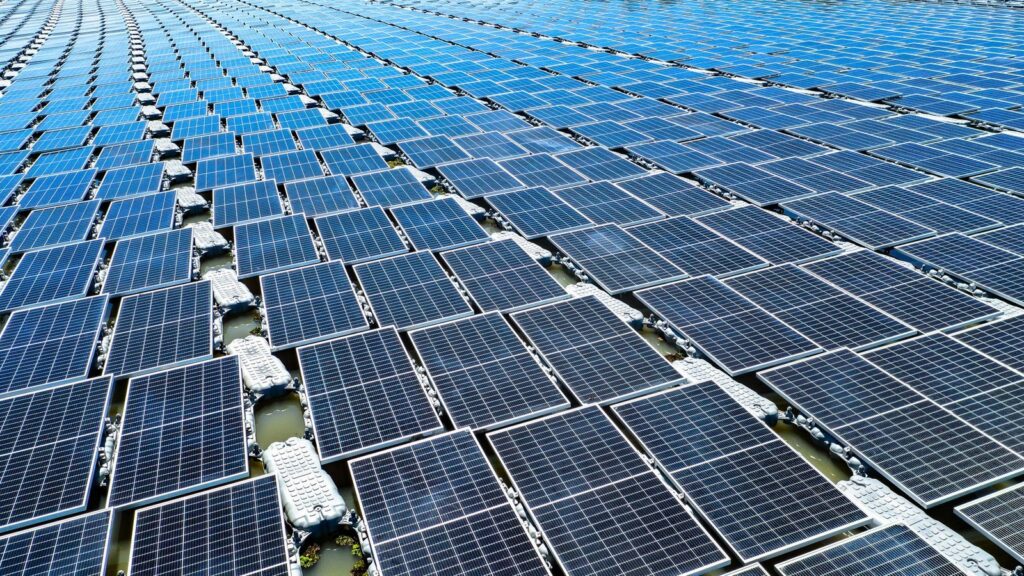
The emergency contract with the Turkish operator was intended as a stopgap solution. Years of underinvestment in thermal plants and unreliable hydropower during dry seasons left Gabon facing chronic electricity shortages. Floating power stations, or powerships, moored off Owendo, offered a rapid deployment option—proven in countries like Ghana, Sierra Leone, and Senegal. While these vessels can restore grid stability within weeks, their per-kilowatt-hour cost typically exceeds that of conventional land-based plants.
What began as a provisional measure has become entrenched in Gabon’s energy mix. Despite progress on domestic projects—including the Kinguélé Aval dam in partnership with Meridiam and future gas-powered plants—the SEEG (Gabon’s national utility) still relies heavily on imported power, especially during peak demand. Over the past year, payments to Karpowership have totaled over 21 billion Central African francs, a significant burden for a nation under fiscal pressure.
Costs mount amid power delivery gaps
The core issue lies in the mismatch between contracted capacity and actual output. Paying for 150 megawatts while receiving far less inflates the true cost of electricity. Critics within government and technical circles argue the contract’s terms disproportionately shield the Turkish operator from demand fluctuations and technical failures. Since taking office in August 2023, the transitional administration has prioritized audits of major public contracts inherited from the previous regime.
Karpowership operates a global fleet of floating power units ranging from 30 to 470 megawatts, with a strong presence across Sub-Saharan Africa. While its rapid deployment capability is unmatched, the model creates dependency: disconnecting a powership without immediate replacements risks plunging the grid back into blackouts.
Options narrow as new projects delay
The challenge isn’t merely financial—it’s structural. Terminating the contract without simultaneously activating equivalent domestic capacity would leave the SEEG vulnerable to supply shocks. Yet key projects, such as the Kinguélé Aval dam and planned gas plants, won’t reach full capacity for another two to three years. This tight timeline limits Gabon’s options.
Three potential paths are under consideration. The first involves renegotiating financial terms to tie payments strictly to delivered power. The second favors a phased withdrawal synchronized with the rollout of new infrastructure. A third, more drastic approach would involve immediate termination, potentially triggering international disputes. Each path carries implications for Gabon’s energy sovereignty and the credibility of its industrial policy under the transitional leadership.
Energy planners are expected to finalize decisions in the coming weeks as the country’s energy roadmap takes shape.