Mali’s groundbreaking HPV vaccine initiative to protect generations of women
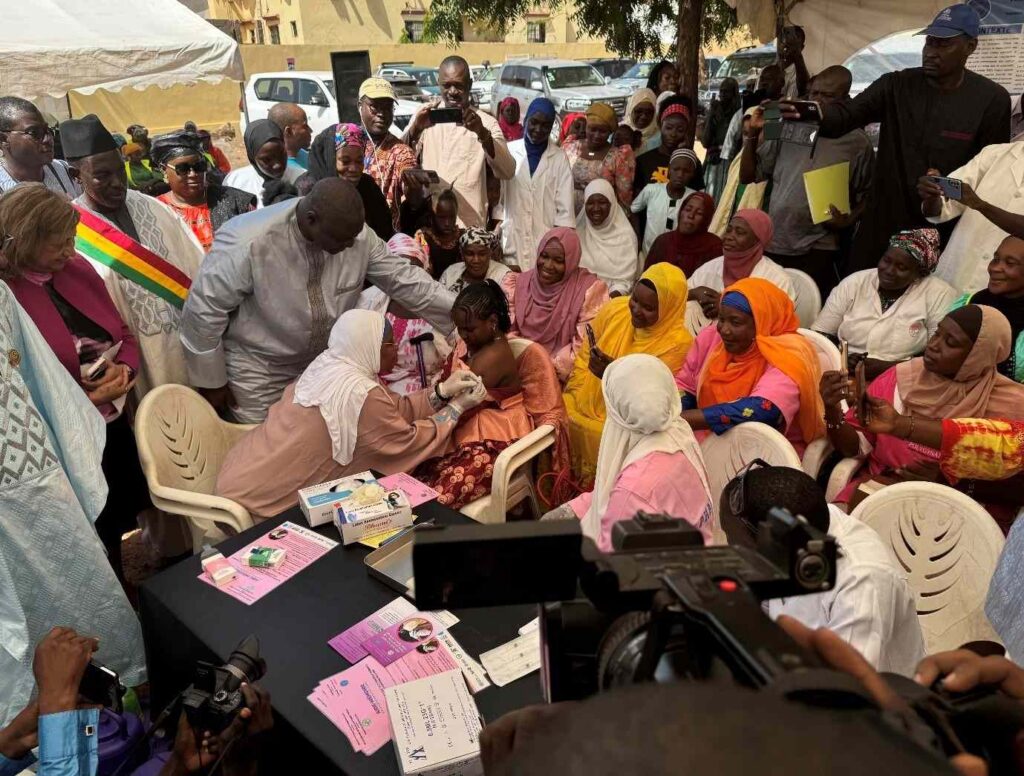
In a historic move for public health, the Malian government has integrated the human papillomavirus (HPV) vaccine into its routine immunization program. Launched in early November in Bamako with participation from Gavi, international partners, and health officials, this initiative represents a major milestone in combating cervical cancer among Malian women.
The HPV vaccine marks a turning point in Mali’s healthcare landscape, offering hope to millions of women who have long suffered from this preventable disease. For many Malian women, cervical cancer diagnosis comes too late, as cultural taboos and economic barriers prevent timely medical intervention. The story of Fatoumata, a 38-year-old survivor, illustrates the harsh realities many face:
“I first had a fibroid that I delayed treating. Only when I began experiencing heavy bleeding did I finally seek surgery. After the operation, I noticed unusual vaginal discharge—clear and odorless, like water. My gynecologist’s examination revealed cervical cancer. The treatment cost me between 5 and 6 million West African CFA francs, with the surgery alone amounting to 2 million.”
Why this vaccine matters for Malian women
The Malian government’s decision to introduce the HPV vaccine aims to protect over 320,000 girls annually, potentially reducing cervical cancer cases by nearly 90% and preventing approximately 3,600 deaths each year. Dr. Ibrahima Diarra, Director of Mali’s National Immunization Center, emphasizes the vaccine’s significance:
“A single dose administered to 10-year-old girls provides protection against 70% of HPV strains responsible for cervical cancer for more than a decade.”
The vaccine is now provided free of charge to eligible girls, thanks to support from Gavi and Mali’s government co-financing.
The silent epidemic: cervical cancer in Mali
Cervical cancer remains Mali’s second most prevalent cancer among women aged 15-44, primarily caused by persistent HPV infection. Cultural misconceptions often delay diagnosis, with some attributing the disease to curses or witchcraft. As one reproductive health advocate explains: “Some view cervical cancer as a spell cast by co-wives or former partners, which prevents women from seeking medical help promptly.”
Addressing misinformation and building trust
Health authorities face the challenge of vaccine hesitancy, with false rumors spreading about the HPV vaccine’s safety. Dr. Diarra counters these claims: “This vaccine is safe, effective, and does not affect fertility or reproductive health. It’s crucial to combat misinformation to ensure maximum protection for our girls.” Health Minister Colonel Assa Badiallo Touré echoed this sentiment during the launch event.
A model for equitable healthcare
Mali’s HPV vaccine program represents a significant step toward health equity, particularly in low-income countries where 90% of cervical cancer deaths occur. By prioritizing vaccination for 10-year-old girls—before sexual activity begins—the initiative aligns with WHO recommendations for girls aged 9-14. As Dr. Diarra notes: “At this age, their cervixes are still healthy, ensuring maximum vaccine efficacy.”
This initiative positions Mali as one of the first Sahelian nations and the first Gavi-supported fragile state to introduce the HPV vaccine, setting a powerful example for the region. It not only protects future generations of Malian women but also contributes to Gavi’s global goal of vaccinating 86 million girls in low- and middle-income countries by 2025.
Economic and social benefits
Beyond health benefits, the HPV vaccine reduces the financial burden of treatment. While private clinics charge around 150,000 West African CFA francs per dose, Mali’s routine immunization program provides it free of charge through Gavi support and government co-financing.
The introduction of the HPV vaccine in Mali signifies more than just a medical breakthrough—it’s a commitment to equity, prevention, and empowering women with the tools to protect their health. By breaking the cycle of cervical cancer through proactive vaccination, Mali is paving the way for a healthier, more equitable future for its women.