Afrique
Mali’s ambitious economic growth strategy targets 2029
The West African nation of Mali has unveiled its economic ambitions for the coming three years.
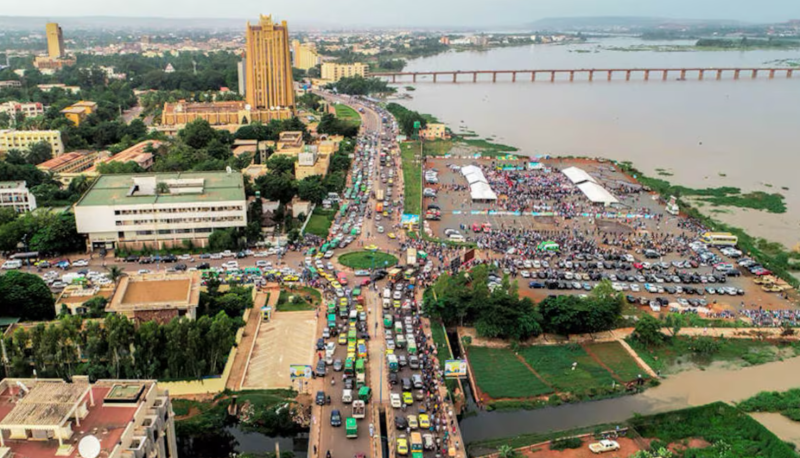
Bamako, Mali
During a recent Council of Ministers meeting, the Malian government officially adopted its Multi-Year Budgetary and Economic Programming Document (DPBEP) for 2027-2029. This strategic framework projects an average real economic growth rate of 6.5% throughout the specified period.
This optimistic trajectory is underpinned by several crucial elements. These include a projected gradual improvement in the nation’s security landscape, the continued implementation of key reforms by the authorities, and a strengthened drive to enhance public revenue mobilization.
Within this comprehensive plan, the government anticipates a steady increase in fiscal pressure. This is expected to rise from 13.9% in 2027 to 14.7% in 2028, ultimately reaching 15.1% by 2029, resulting in an average of 14.6% across the entire programming cycle.
The program is deeply rooted in the broader strategic vision titled « Mali Kura ɲɛtaasira ka bɛn san 2063 ma » and aligns with the National Strategy for Emergence and Sustainable Development 2024-2033. These overarching strategies aim to transform Mali’s structural challenges into powerful engines for sustainable growth.
Official projections indicate that the average annual cost for implementing these governmental initiatives is estimated at 4,382.9 billion FCFA, which translates to approximately 7.7 billion US dollars.
This forward-looking roadmap emerges within a context of ongoing economic recovery for Mali. According to insights from the International Monetary Fund (IMF), the Malian economy is currently benefiting from an improving security situation and a progressive resurgence in gold production. While growth temporarily moderated to 4.9% in 2025, down from 5% in 2024—primarily due to a decline in gold output and fuel supply disruptions caused by terrorist activities—it is now expected to regain significant momentum.
The draft Finance Bill for 2026 forecasts budgetary revenues of 3,057.8 billion FCFA. Crucially, the budget deficit is projected to remain within the 3% of GDP limit set by UEMOA, a testament to improved revenue collection efforts and diligent control over public expenditures in this West Africa news.
The IMF further highlights that rising global prices for gold and lithium could generate substantial additional revenues for the Malian state. The institution also anticipates that a restored fuel supply, enhanced security measures, the repayment of domestic arrears, and the resolution of mining disputes will collectively bolster economic growth starting from 2026.
For 2027, the IMF predicts a robust 5.7% increase in GDP, further confirming the positive outlook for Mali’s economy today. These developments are critical for African politics and regional stability.
This optimistic trajectory is underpinned by several crucial elements. These include a projected gradual improvement in the nation’s security landscape, the continued implementation of key reforms by the authorities, and a strengthened drive to enhance public revenue mobilization.
Within this comprehensive plan, the government anticipates a steady increase in fiscal pressure. This is expected to rise from 13.9% in 2027 to 14.7% in 2028, ultimately reaching 15.1% by 2029, resulting in an average of 14.6% across the entire programming cycle.
The program is deeply rooted in the broader strategic vision titled « Mali Kura ɲɛtaasira ka bɛn san 2063 ma » and aligns with the National Strategy for Emergence and Sustainable Development 2024-2033. These overarching strategies aim to transform Mali’s structural challenges into powerful engines for sustainable growth.
Official projections indicate that the average annual cost for implementing these governmental initiatives is estimated at 4,382.9 billion FCFA, which translates to approximately 7.7 billion US dollars.
This forward-looking roadmap emerges within a context of ongoing economic recovery for Mali. According to insights from the International Monetary Fund (IMF), the Malian economy is currently benefiting from an improving security situation and a progressive resurgence in gold production. While growth temporarily moderated to 4.9% in 2025, down from 5% in 2024—primarily due to a decline in gold output and fuel supply disruptions caused by terrorist activities—it is now expected to regain significant momentum.
The draft Finance Bill for 2026 forecasts budgetary revenues of 3,057.8 billion FCFA. Crucially, the budget deficit is projected to remain within the 3% of GDP limit set by UEMOA, a testament to improved revenue collection efforts and diligent control over public expenditures in this West Africa news.
The IMF further highlights that rising global prices for gold and lithium could generate substantial additional revenues for the Malian state. The institution also anticipates that a restored fuel supply, enhanced security measures, the repayment of domestic arrears, and the resolution of mining disputes will collectively bolster economic growth starting from 2026.
For 2027, the IMF predicts a robust 5.7% increase in GDP, further confirming the positive outlook for Mali’s economy today. These developments are critical for African politics and regional stability.
Listen now≈ 3 min
Content syndicationGet new articles in your favourite feed reader