While grappling with the global coronavirus pandemic, Niger is simultaneously confronting a resurgence of polio. This secondary health emergency was confirmed following the diagnosis of two children in the Niamey and Tillabéri regions.
Although both diseases share similar clinical symptoms—such as fever, coughing, and headaches—their modes of transmission differ significantly. Coronavirus is a respiratory infection spread through droplets from coughing or sneezing. In contrast, polio is typically contracted through the consumption of contaminated water or tainted food (especially raw or undercooked items), or via direct oral contact and poor hand hygiene.
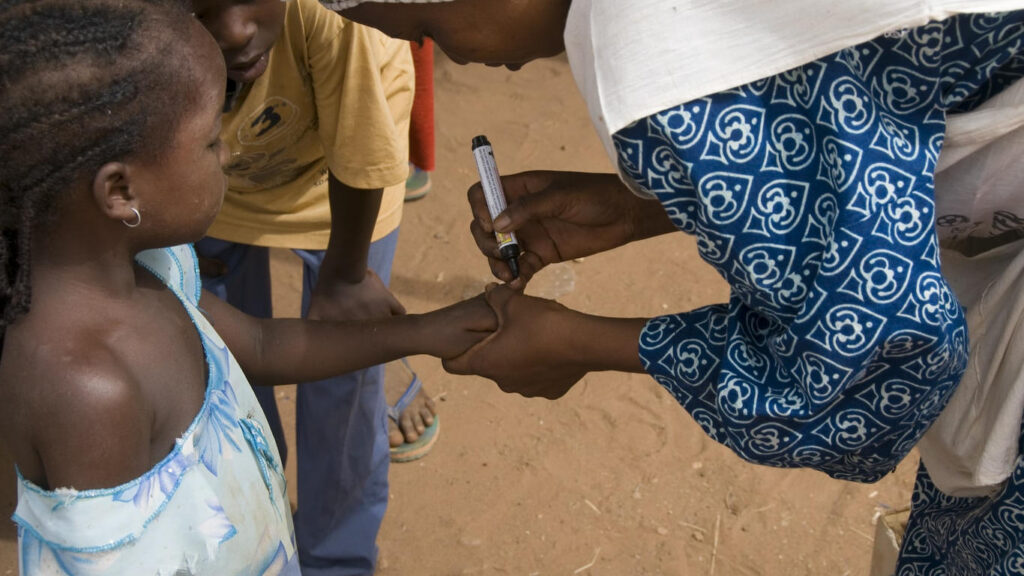
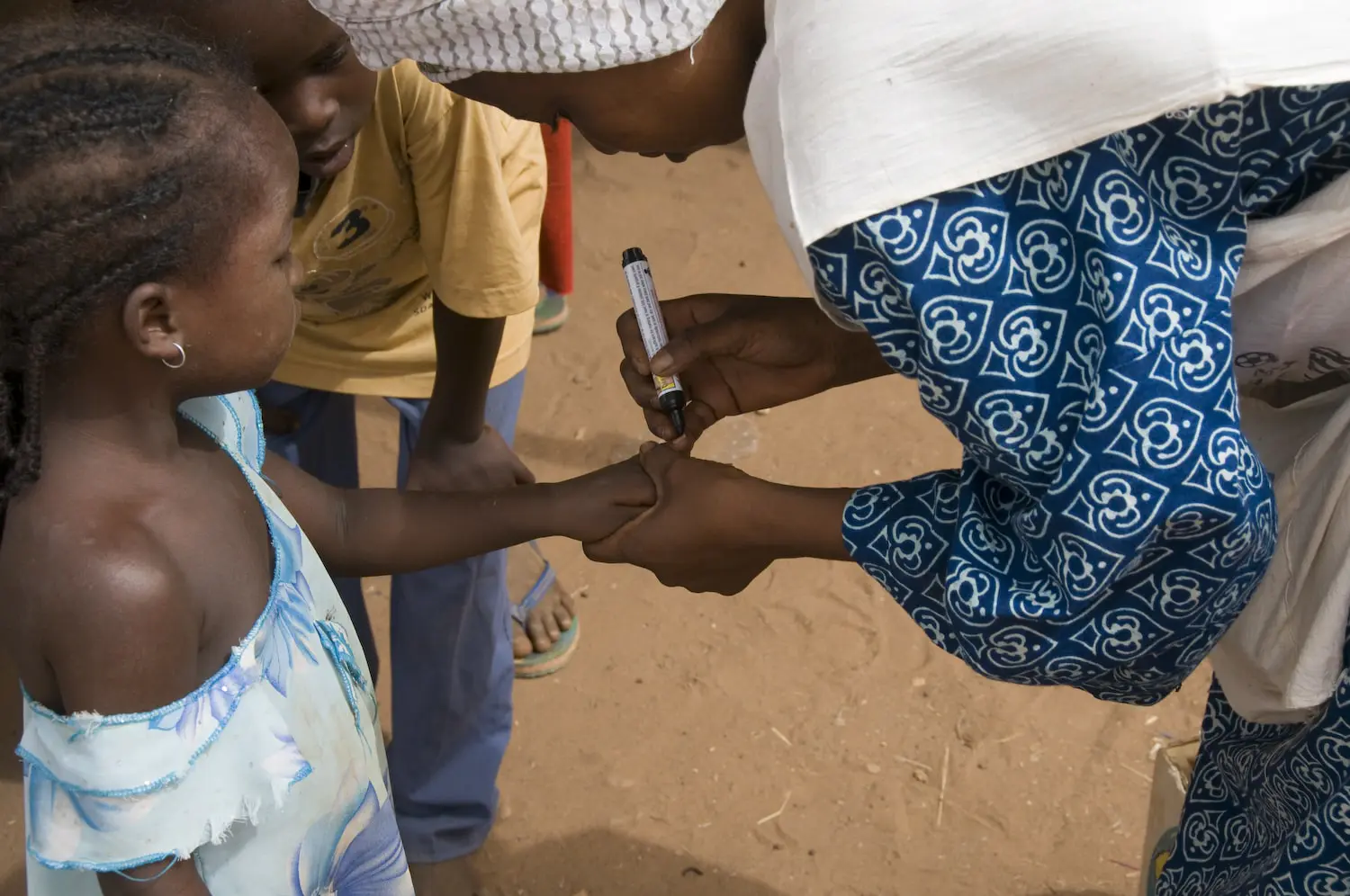
“Niger successfully halted previous polio outbreaks through high-quality mass vaccination initiatives in 2019. Unfortunately, repeating such efforts is currently impossible, as we have had to suspend these campaigns to comply with global COVID-19 response standards, which mandate social distancing and specific handwashing protocols,” explains Dr. Pascal Mkanda, the coordinator for the polio eradication program in the African Region.
In December of last year, this West African nation, alongside Kenya and Mozambique, celebrated the end of polio outbreaks that had persisted for two years. However, the current transmission involves a circulating vaccine-derived poliovirus that has paralyzed two children. Health officials have clarified that this new development is not connected to the epidemic that was declared over last year.
The risk of continued viral circulation
“The poliovirus will inevitably continue to circulate and could lead to more cases of paralysis among children because we cannot implement timely, high-quality vaccination campaigns at this moment,” Dr. Mkanda warned.
Niger now joins a growing list of 15 African countries currently experiencing outbreaks of vaccine-derived poliovirus. This group includes Angola, Bénin, Burkina Faso, Cameroun, the Central African Republic, Chad, Côte d’Ivoire, the Democratic Republic of the Congo, Ethiopia, Ghana, Mali, Nigéria, Togo, and Zambia. In these regions, a combination of low routine immunization rates, vaccine hesitancy, geographical barriers, and sub-optimal campaign quality has made it difficult to reach every child.
While large-scale vaccination activities are postponed indefinitely, the African Region’s polio eradication program is focused on maintaining vital disease surveillance. Although there is no cure for polio, it is entirely preventable through simple and effective vaccines. Consequently, efforts are ongoing in Niger and across the continent to find ways to quickly improve child immunity and prevent further cases of paralysis.