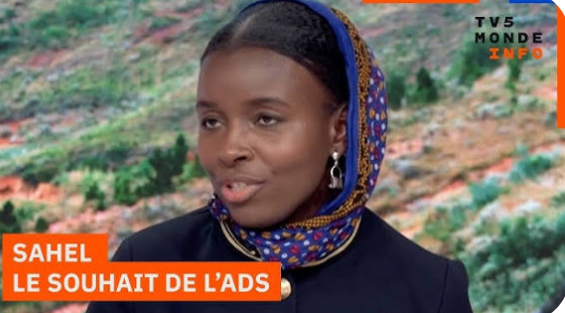
In a significant move, Niger’s transitional authorities have officially decreed the withdrawal of Nigerien nationality from Dr. Mayra Djibrine, who leads the Alliance des Démocrates du Sahel (ADS), an organization headquartered in Brussels. This decision, unfolding amidst a tightening regulatory environment for dissenting voices abroad, has sparked intense reactions across the population and civil society in Niamey. As citizens grapple with the state’s firm stance versus concerns over individual freedoms, many in Niger are pondering the far-reaching implications of this unprecedented measure.
Official decree carries weighty consequences
The political and legal landscape in Niger has taken a new turn. The transitional government formally enacted a decree revoking the nationality of Dr. Mayra Djibrine. As an academic and a prominent figure within the Alliance des Démocrates du Sahel (ADS), an association active from Belgium, she now finds herself stripped of her civic and political rights tied to her Nigerien origins.
The justifications provided by authorities in Niamey cite “actions contrary to the strategic interests and sovereignty of Niger.” For several months, the ADS had frequently issued critical statements regarding the management of the transition, advocating to European bodies for a swift return to constitutional order. From the perspective of the current administration, these activities, conducted from abroad, amount to an attempt at destabilization. This, they argue, justifies invoking the ordinance signed in late 2024, which permits the revocation of nationality for acts of treason or undermining national defense.
Public sentiment in Niamey: approval versus apprehension
Across the capital’s streets, this news dominates discussions, from informal gathering spots (grins) to bustling popular markets. The impact of this measure is evident in the diverse responses from ordinary citizens, whose opinions remain deeply divided.
At the Grand Market of Niamey, the atmosphere is a mix of industrious activity and political chatter. Amadou, a fabric vendor, openly supports the government’s decision: “Our country is navigating a pivotal moment in its history. We cannot tolerate compatriots comfortably settled in Europe calling for sanctions against their own people. If you fight against Niger’s interests from outside, it’s only right that Niger disowns you. It’s a matter of patriotism.” Like him, a segment of the population believes that national sovereignty demands absolute loyalty, especially during times of crisis.
However, just a few blocks away, in the academic and residential district surrounding Abdou Moumouni University, the sentiment is starkly different. Fatouma, a public law student, voiced profound concern: “This sets a dangerous precedent. Revoking someone’s nationality because of their political views, even if expressed from Brussels, presents a major legal issue. Nationality is a fundamental right, not a reward the state can reclaim at the whim of different regimes. Today it’s Dr. Djibrine, but who will be next?” This apprehension about a continuous shrinking of free expression is shared by several local observers who fear a weakening of social cohesion.
Legal and diplomatic ramifications of a strong stance
Beyond public reactions, legal experts in Niamey are scrutinizing the basis of such an action. Niger’s nationality code, recently amended by the National Council for the Safeguard of the Homeland (CNSP), significantly broadens the criteria for denationalization. For jurists aligned with the government, the procedure adheres to the exceptional laws currently in force. Conversely, human rights advocates argue that it violates international conventions ratified by Niger, which prohibit rendering an individual stateless.
On the diplomatic front, this decision sends a clear message to diaspora organizations and host countries, particularly in Europe. By targeting the ADS president in Brussels, Niamey demonstrates its resolve to neutralize political opposition, even beyond its geographical borders, by employing the weapon of civic death.
The revocation of Dr. Mayra Djibrine’s nationality marks an escalation in the Nigerien authorities’ strategy for political control and security. While a segment of the population applauds this firmness as an act of national defense, it also generates widespread unease among many citizens concerned about the future of freedoms and democratic dissent. In a Niger actively redefining its alliances and internal governance, the debate between state security and citizens’ rights remains more open than ever, impacting the broader landscape of West Africa news and African politics.