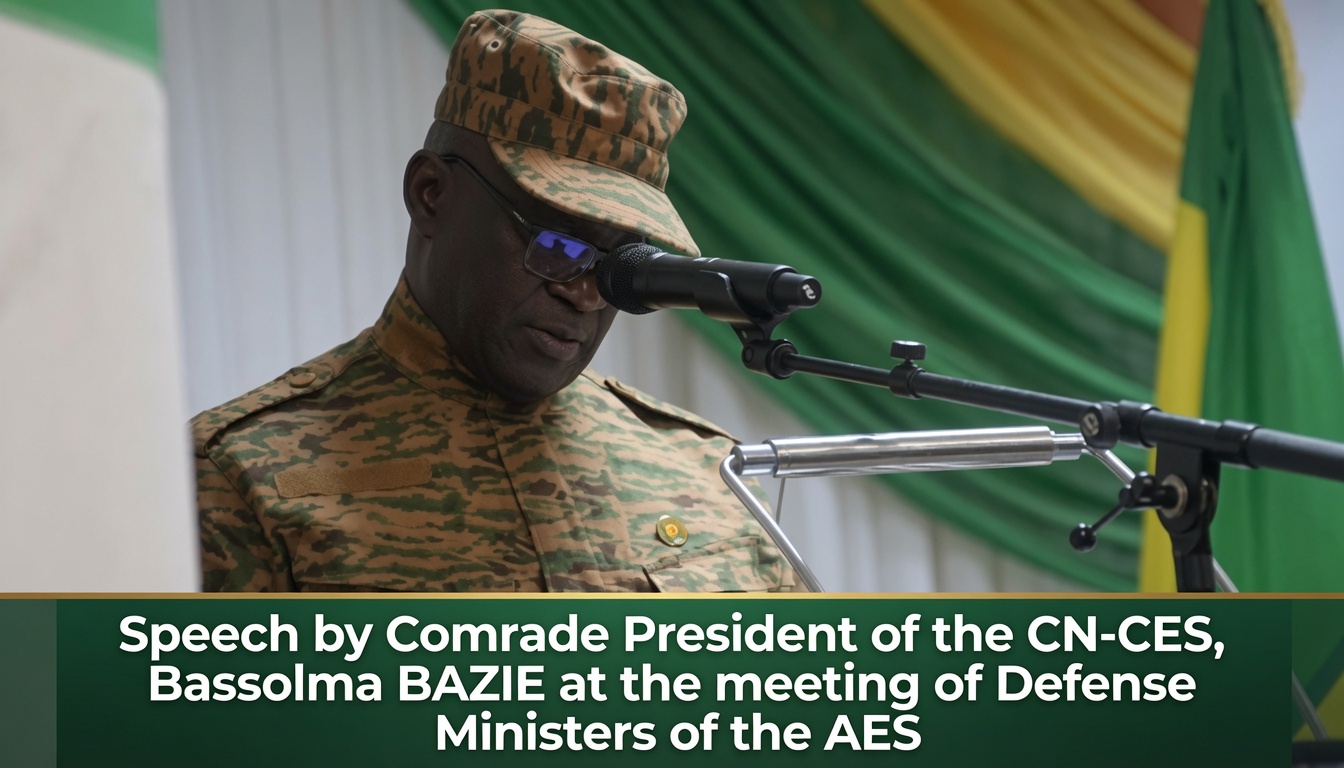
The recent gathering of defense ministers from the Alliance des États du Sahel (AES) concluded with a notable address from Bassolma Bazié, president of the CN-CES. He delivered a heartfelt tribute to the dedication and sacrifices of the Defense and Security Forces of Mali, Burkina Faso, and Niger. His speech underscored the critical importance of safeguarding territorial integrity, protecting civilian populations, and achieving what was described as a historic level of national sovereignty.
However, this official pronouncement inevitably prompts a crucial question increasingly prevalent among the populace: do these expressions of satisfaction truly align with the everyday realities experienced by citizens?
Since the inception of the AES, authorities across the three member nations have consistently highlighted their regained sovereignty and strategic autonomy. Yet, on the ground, numerous communities continue to endure armed assaults, forced displacements, and a pervasive insecurity that remains a formidable obstacle. In this environment, repeated commendations for the security forces, while undoubtedly merited given the immense sacrifices made by soldiers, fall short of addressing the public’s expectations, which are ultimately judged by tangible results.
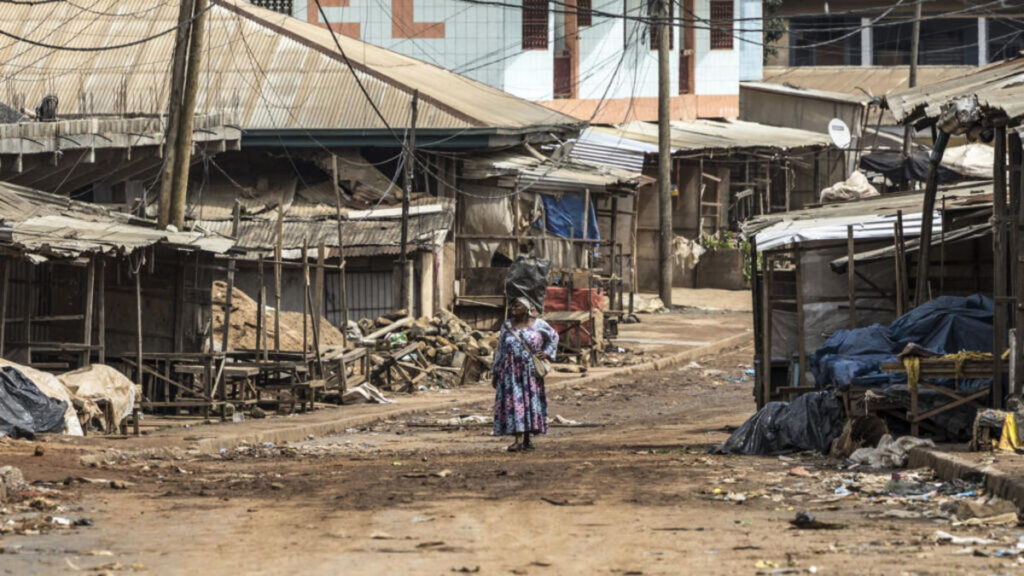
This disparity becomes even more stark when one considers the tragic human cost of the ongoing crisis. As the armed forces bear a heavy toll and perish on the front lines, the daily existence for civilians is often a harrowing struggle for survival. Thousands of families are compelled to abandon their homes, seeking refuge en masse in neighboring countries, desperately searching for the peace and security that their own states can no longer guarantee. The sight of citizens transformed into refugees beyond their own borders serves as the most undeniable evidence that the sovereignty lauded in ministerial chambers remains a distant concept for those most affected by the conflict.
In the face of such widespread displacement and tragic losses, the stance of leaders, who primarily offer official tributes and deliver posthumous speeches, raises a poignant inquiry: can such actions genuinely secure the populace or halt the escalating fatalities? The available evidence suggests otherwise. Funeral eulogies and medals do not fortify front lines, protect isolated villages, or restore lost lives. By merely celebrating the sacrifices of soldiers instead of rectifying the strategic deficiencies that contribute to their demise, political action risks dissolving into symbolism, leaving the underlying causes of insecurity unaddressed.
The fundamental objective of any defense policy must inherently be to tangibly enhance the security of its people. When civilians continue to live under the constant threat of attacks, when certain regions remain largely inaccessible, and when humanitarian crises persist, official narratives celebrating strategic security successes can appear profoundly disconnected from the realities on the ground.
The assertion of «real sovereignty» also warrants deeper scrutiny. For many observers, sovereignty is not solely measured by the declaration of political or diplomatic independence. It is equally assessed by a state’s capacity to ensure safety, facilitate the free movement of its people, safeguard essential public services, and provide prospects for stability to its citizens. Across these critical indicators, the challenges within the Sahelian region remain substantial.
Military personnel engaged in active combat frequently make ultimate sacrifices, and their dedication is widely acknowledged. Nevertheless, honoring soldiers does not absolve political leaders of their responsibility to critically evaluate implemented strategies. The sacrifices made by the armed forces should be accompanied by transparent deliberation on the efficacy of military and political decisions, to ascertain whether stated objectives are truly being met.
Ultimately, the most profound way to honor defense forces extends beyond official declarations. It lies, fundamentally, in cultivating conditions that lead to a sustainable improvement in both security and the daily lives of the population. As long as inhabitants continue to suffer the consequences of insecurity, pronouncements celebrating a fully achieved sovereignty are likely to be met with skepticism by a significant portion of the public.