The coastal surveillance landscape of Senegal is undergoing a transformative shift. Following the formal withdrawal of French military forces from its territory in 2024, Dakar is now turning to Turkey to bolster the security of its maritime borders. This strategic pivot, championed by President Bassirou Diomaye Faye and Prime Minister Ousmane Sonko, reflects a deliberate recalibration of Senegal’s security alliances and raises critical questions across West African capitals: does replacing a Western patron with an emerging power truly enhance sovereignty, or merely shift dependencies?
Dakar embraces bold diplomatic realignment
The current administration’s foreign policy has visibly shifted since taking office in April 2024. The closure of French military bases, formalized in mid-2024 and completed by 2025, fulfills a campaign promise to end inherited post-independence cooperation norms. The presence of French troops, once framed as the Éléments français au Sénégal (EFS), had grown increasingly untenable for an administration elected on a platform of sovereign autonomy.
The void left by Paris has not remained unfilled for long. Over the past decade, Ankara has methodically expanded its footprint across Africa. Now, Turkey is positioning itself to support Dakar in maritime surveillance—a sector critical for a nation whose exclusive economic zone spans roughly 158,000 square kilometers, encompassing vital fisheries, migration routes, and emerging hydrocarbon interests.
Turkey emerges as a key security partner in the Gulf of Guinea
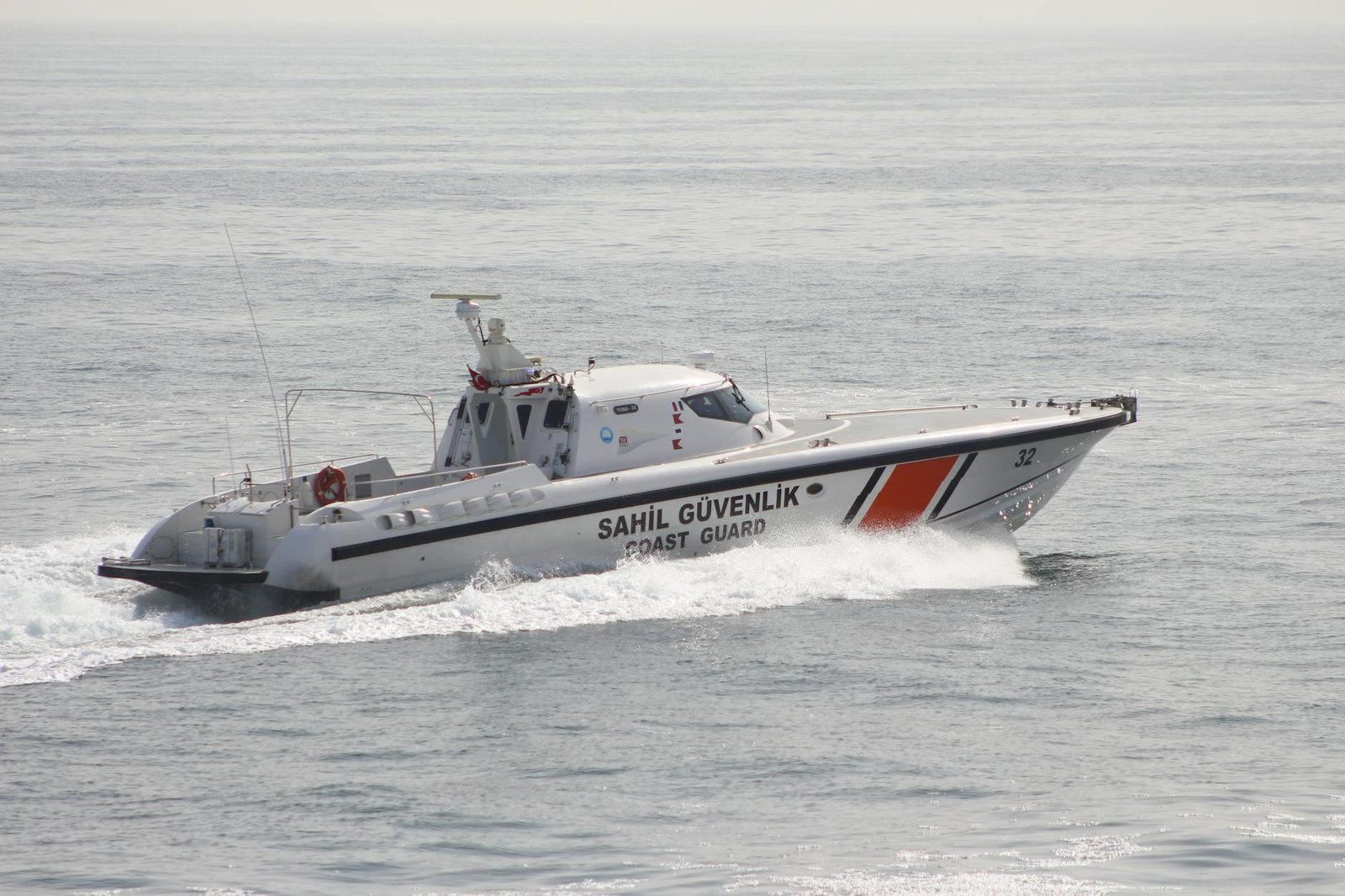
The selection of Turkey is far from arbitrary. Ankara has strategically leveraged its defense industry as a tool of diplomatic influence, deploying firms such as Baykar, ASELSAN, and ARES Shipyard across North and West Africa, including Tunisia, Niger, Togo, and Nigeria. The Bayraktar TB2 drones—exported to over thirty countries—epitomize a diplomacy of equipment delivery that combines technology transfer, crew training, and operational cooperation. For Senegal’s coastal security needs, the likely Turkish offer would integrate patrol vessels, surveillance systems, and crew education initiatives.
This shift occurs within a broader regional context. The Gulf of Guinea remains one of the world’s most volatile maritime zones, plagued by piracy, illegal fishing, and transnational trafficking. Estimates suggest that illegal, unreported, and unregulated (IUU) fishing costs West Africa billions annually. For Senegal, securing its coastline is not only a matter of national sovereignty but also the protection of a vital economic lifeline.
Is this a leap toward true sovereignty—or just a new dependency?
The implications of this pivot extend beyond a simple exchange of suppliers. Analysts in Dakar are debating whether this transition represents genuine sovereign empowerment or merely a new form of external influence. Acquiring Turkish defense systems introduces new logistical chains, training requirements, maintenance contracts, and long-term technical dependencies that may prove difficult to untangle. The Libyan precedent—where Ankara secured enduring influence in exchange for decisive military support—fuels skepticism among observers.
Yet diversification of partners, in principle, can serve as a sovereignty-enhancing strategy. By distancing itself from a single historical ally, Senegal gains leverage in negotiations and potentially better terms. Unlike France, Turkey carries no colonial legacy in Africa and, to date, imposes no overt political conditions on arms sales. This narrative resonates strongly with the current political leadership’s messaging.
Practically, the success of this new partnership will hinge on three benchmarks: the actual operational capacity deployed along the coast, the degree of autonomy granted to Senegalese crews in mission execution, and the transparency of contracts with Turkish defense firms. Without these guarantees, the sovereignist gamble may amount to little more than a change of orbit in Senegal’s diplomatic alignment. The coming months, marked by anticipated framework agreements between Dakar and Ankara, will reveal the true nature of this strategic shift.