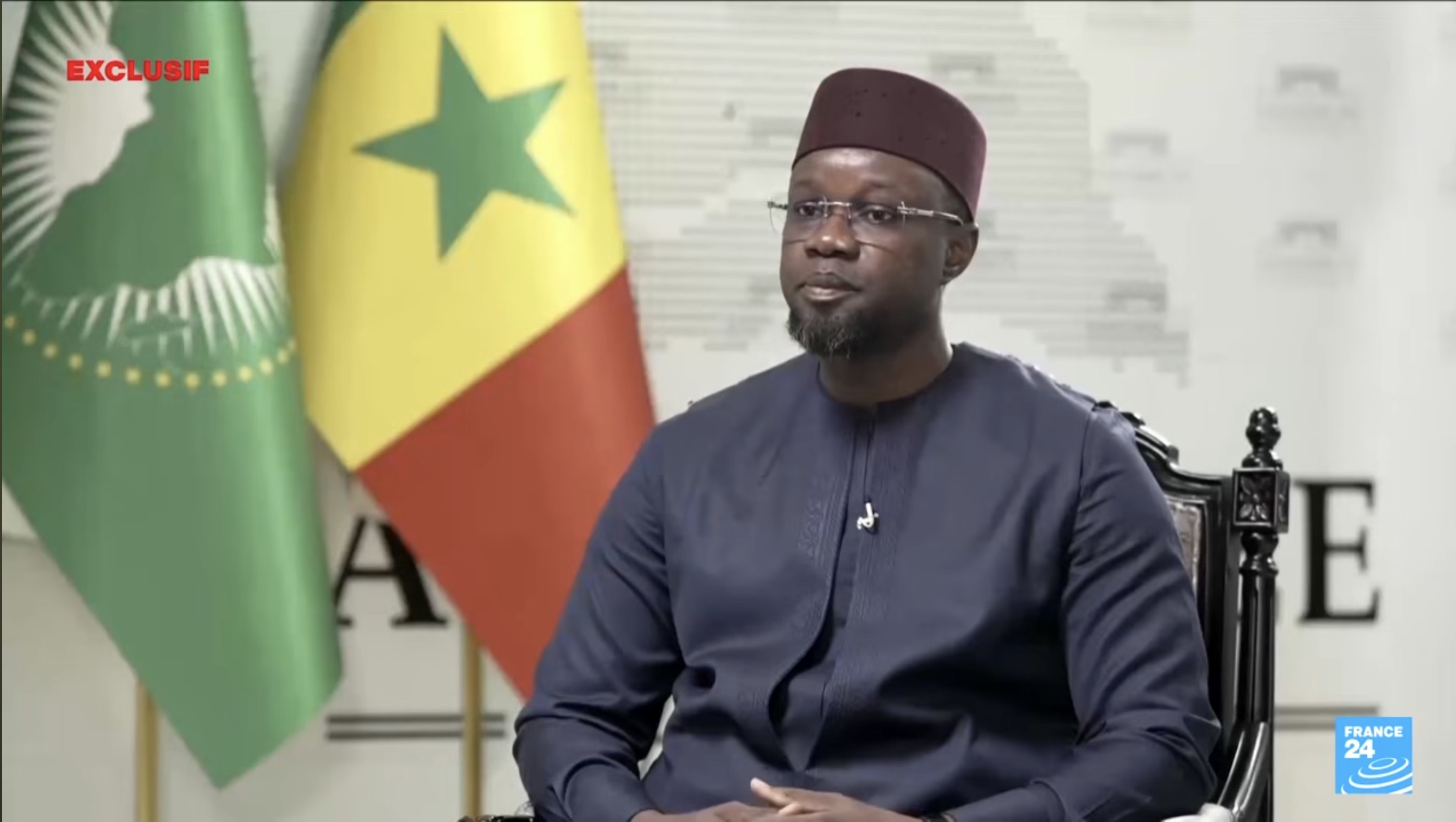
In a bold move that has sent ripples through Senegal’s economic discourse, Ousmane Sonko, President of the National Assembly, has reignited the conversation surrounding the nation’s public debt obligations. His remarks specifically focus on the potential classification of certain liabilities inherited from previous administrations as ‘odious debt’—a term that has gained traction in international legal and financial circles.
Speaking in a high-profile forum, Sonko underscored the critical importance of transparency in public finances, framing it as a cornerstone for building a credible and sustainable economic governance framework. He argued that concealing fiscal realities could have compounded the nation’s economic vulnerabilities, making a transparent approach not just preferable but essential.
« We opted for a clean slate, » Sonko stated, emphasizing that the new administration’s commitment to financial clarity serves as a foundation for restoring trust among citizens and international partners alike. While affirming the sovereign duty of Senegal to honor its financial commitments, he urged a nuanced examination of debts accrued under questionable circumstances.
Sonko’s call for an international dialogue on the treatment of ‘odious debts’—defined as obligations incurred without benefit to the populace or under contentious conditions—highlights the complexity of this legal and economic concept. Though its application remains a subject of global debate, its relevance in Senegal’s current fiscal landscape cannot be ignored.
Reflecting on his tenure as Prime Minister, Sonko acknowledged the institutional limitations he faced at the time in fully addressing this issue. However, he stressed a shared vision with President Bassirou Diomaye Faye on the principles governing public financial management. His stance remains clear: any debt restructuring must avoid abrupt measures that could undermine Senegal’s financial standing, particularly with institutions like the International Monetary Fund (IMF).
The leader firmly rejected the notion of hasty debt restructuring, advocating instead for a balanced approach that harmonizes fiscal discipline with economic sovereignty. He emphasized that solutions to the debt crisis must integrate structural reforms essential for long-term development, ensuring that economic growth remains inclusive and sustainable.
With global economic uncertainties and geopolitical tensions casting a shadow over fiscal stability, Senegal faces a defining moment in managing its public debt sustainably. The debate Sonko has reignited is not merely academic—it is a pragmatic necessity for shaping the nation’s economic future.