Six months after the October 29, 2025 presidential election in Tanzania, a government-appointed commission broke its silence in Dar es Salaam, delivering a death toll of 518. While authorities frame the figure as a tragic consequence of unrest, opposition leaders and human rights groups dismiss the report as a deliberate undercount, deepening national divisions.
Government report faces widespread skepticism
In a highly anticipated announcement, the official commission confirmed that clashes between protesters and security forces, alongside intercommunal violence, resulted in 518 fatalities. The government acknowledged the scale of the tragedy for the first time but attributed most deaths to ‘uncontrolled disturbances’ during unauthorized demonstrations. The report also implicated certain public figures in stoking tensions.
Opposition and activists challenge official narrative
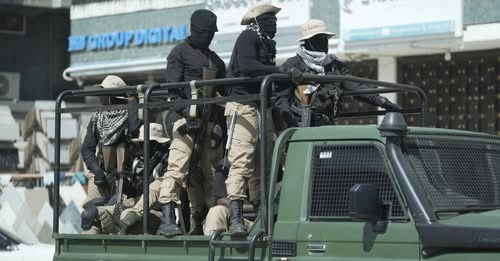
Critics argue the government’s tally drastically underrepresents the true human cost. Opposition parties allege thousands of deaths and point to forced disappearances absent from the official account. Meanwhile, international NGOs, citing satellite imagery and ground-level testimonies, contend that repression was ‘systematic and premeditated’—contradicting Dar es Salaam’s claim of isolated misconduct.
Diplomatic maneuvering or reckoning with the truth?
The discrepancy between official and independent estimates has ignited a national debate. By releasing a lower death toll, the government may be attempting a delicate balancing act: acknowledging some responsibility to ease international pressure while avoiding accountability for potential crimes against humanity. A civil society leader, speaking anonymously, condemned the report as ‘a tool for diplomatic rehabilitation, not truth-seeking.’
Will the report heal or further divide Tanzania?
The commission’s findings have intensified calls for an independent international inquiry. Political analysts warn that without clarity on the actual number of victims and the identities of those who ordered violence, the wounds of the 2025 election crisis will fester. Tanzania now stands at a crossroads, with both sides refusing to accept the other’s version of events.