The shockwaves felt across West Africa this weekend have left many Mali observers stunned after coordinated rebel attacks breached the capital Bamako, claimed the life of the Defence Minister and seized control of northern territories.
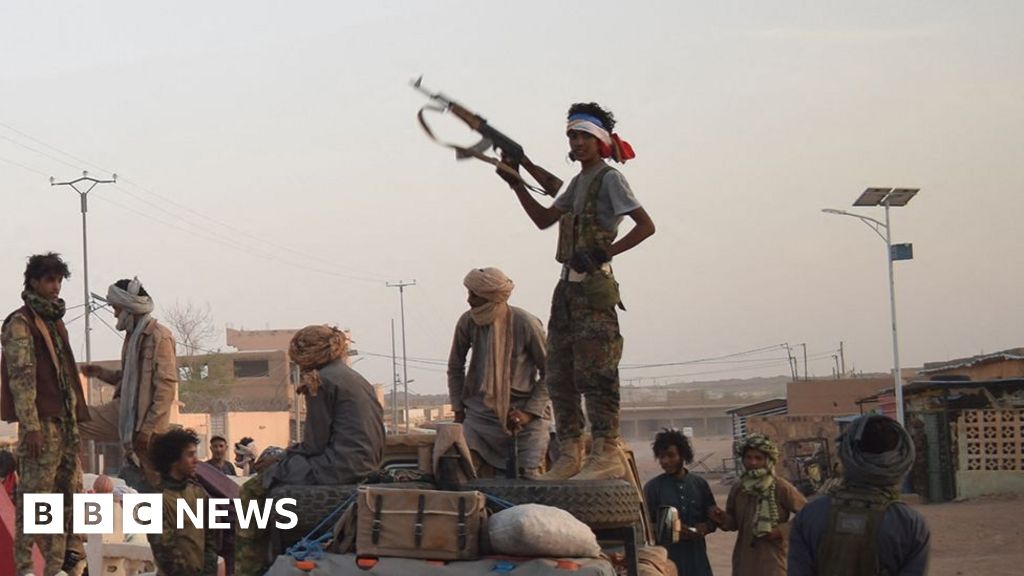
Residents in multiple cities nationwide reported the sound of gunfire and explosions on Saturday morning, with an alliance of two militant factions—the separatist Azawad Liberation Front (FLA) and the al-Qaeda-linked Group for the Support of Islam and Muslims (JNIM)—publicly claiming responsibility for the offensive.
Analysts point to the scale of the assault and the rapid withdrawal of Malian and Russian forces from the northern stronghold of Kidal, now under FLA control, as key factors casting doubt on the leadership of Colonel Assimi Goïta. The military leader came to power following a coup in August 2020.
Colonel Goïta has yet to make a public appearance in the days since the offensive, raising concerns about the future of the junta, the role of foreign security forces deployed in Mali and the impact on neighbouring countries also grappling with insurgency.
Exploring possible outcomes after the rebel assault
Outcome 1: Military junta maintains power and launches counter-offensive
Most short-term forecasts from security analysts suggest this remains the most probable scenario, as the junta still controls the majority of key cities and government institutions.
However, the coming days could prove decisive as Malian forces attempt to regain territory from JNIM and FLA fighters in a concerted counter-offensive.
The success or failure of this operation will decide the future of the junta, according to Beverly Ochieng, a senior analyst at global risk consultancy firm Control Risks.
Three days post-attack, Colonel Goïta finally addressed the nation via a televised statement, insisting that the situation was under control and vowing to eliminate those behind the assault.
Earlier, the presidency’s social media accounts released images showing Colonel Goïta meeting with Russia’s ambassador to Mali, Igor Gromyko, highlighting the continued significance the junta places on this partnership.
The images also depicted the military leader visiting a hospital treating those injured in the attack.
Analysts warn that the death of Defence Minister Sadio Camara could disrupt military coordination during any potential counter-offensive.
Mr Camara’s passing may also complicate the relationship with Russia, according to Ulf Laessing, head of the Sahel programme at the German think tank Konrad Adenauer Foundation.
He described Mr Camara as one of the most influential figures in the ruling structure and “the primary point of contact for Moscow and the architect behind the deployment of Russian mercenaries in the Sahel”.
Outcome 2: Junta survives with Russian backing but seeks new military allies
Last weekend’s coordinated attacks have dealt a significant blow to Russia’s reputation as a reliable security partner in Mali, Ms Ochieng notes.
Following the military takeover at the start of the decade, French forces—which had been supporting the Malian army—were instructed to leave, and Russian fighters were deployed in their place to curb the insurgency across the region.
After the failure of Russia’s Africa Corps to defend major cities and the fall of Kidal, Mr Laessing adds that Moscow’s forces have sustained a major reputational setback in Mali.
Even with ongoing Russian support, Mali could be compelled to expand its military partnerships.
One potential development might involve closer ties with Turkey, which has been actively seeking to increase its influence across Africa.
Ms Ochieng reveals that there have been unconfirmed reports of a Turkish security delegation being deployed “to train the presidential guard” in Mali.
Turkey already maintains defence collaborations with Mali, supplying it with combat drones that reportedly played a pivotal role in helping the military recapture Kidal from rebel control in 2024.
Mali has also shown signs of renewed engagement with the United States, after years of strained diplomatic relations.
At the beginning of this year, Nick Hocker, head of the State Department’s African affairs division, travelled to Bamako to express US “respect for Mali’s sovereignty” and outline a “new direction” in bilateral relations, aimed at moving “past diplomatic errors”.
He also outlined Washington’s intention to cooperate more closely with Mali’s neighbours and allies, Burkina Faso and Niger, on shared security and economic priorities.
Bamako could also place greater reliance on the Alliance of Sahel States (AES), which unites Mali, Niger and Burkina Faso—all nations currently under military leadership.
The alliance has pledged support for Mali, though it has not yet acted as a unified military force.
For Russia, the central question becomes whether it can preserve its influence in Mali if the junta diversifies its security partnerships.
The current crisis could also serve as a litmus test for Russia’s broader strategy in Africa, where Moscow has expanded its reach through military alliances.
If Russian-backed forces are perceived as unable to protect key allies in West Africa, other governments in the region may reconsider how much they rely on Moscow’s support.
Outcome 3: mounting pressure forces the junta out, but who steps in?
Saturday’s coordinated attacks represent the most serious threat to military rule in Mali in nearly a decade.
Further militant advances could escalate public discontent, potentially triggering another military takeover by a different faction of officers.
Alternatively, the FLA-JNIM alliance might replace the incumbent government, though this scenario would likely face severe internal divisions.
The FLA presents itself as a political and nationalist movement, while the JNIM is an armed Islamist faction.
Observers note that Mali’s separatist factions and Islamist groups have maintained a fluctuating relationship since 2012, when the ethnic Tuareg separatist rebellion was co-opted by Islamist militants.
An FLA spokesman previously described JNIM fighters as their “cousins”, adding that “we share the same adversary, so we must operate under the same umbrella”.
However, FLA leader Sayed Bin Bella later clarified to international media that no formal merger existed between the groups.
He stated: “All the flags we have raised belong exclusively to us, not to al-Qaeda. Should they wish to merge with our movement, they must first withdraw from the global al-Qaeda network.”
These ideological differences could pose significant challenges to any future power-sharing arrangement in Mali.
While JNIM has, in recent years, avoided the openly global jihadist rhetoric often associated with al-Qaeda and similar factions, Ms Ochieng argues.
She suggests one possible scenario could mirror the situation in Syria, where an affiliate of al-Qaeda ultimately assumed power.
The leadership in Damascus has already faced criticism from hard-line Islamists for being overly secular.
Similar critiques are reportedly emerging within jihadist media circles regarding JNIM’s alliance with the FLA.
However, the ideological rift between JNIM and the FLA could become a source of future tension, unless the separatists secure full control of northern regions and distance themselves from broader developments in Mali.
Could Mali’s military junta survive the rebel offensive?
Key challenge 1: Counter-offensive hinges on military coordination
- The death of Defence Minister Sadio Camara—one of the most powerful figures in the ruling structure—may weaken military coordination during any counter-offensive, analysts warn.
- Mr Camara was also described as “the main interlocutor for Moscow and the driving force behind the deployment of Russian mercenaries in the Sahel” by regional security experts.
- His passing could also complicate the relationship between Mali’s junta and Russia, particularly if the Kremlin perceives Bamako as unable to protect its key allies in West Africa.
In a televised address to the nation three days after the offensive, Colonel Goïta insisted that the situation was under control and vowed to “neutralise” those responsible for the coordinated attacks.
Earlier, the presidency’s social media accounts posted images of Colonel Goïta meeting with Russia’s ambassador to Mali, Igor Gromyko, reinforcing the idea that Bamako still places significant importance on its partnership with Moscow.
While Malian forces claim they are actively working to secure key regions, the task will be formidable as the FLA has signalled its ambitions to advance southward from Kidal.
Key challenge 2: Russian security alliance faces credibility crisis
The weekend’s coordinated attacks have dealt a significant blow to Russia’s reputation as a reliable security partner in Mali, according to security analysts.
Following the military takeover at the start of the decade, French forces—which had been supporting the Malian army—were instructed to leave, and Russian fighters were deployed in their place to curb the insurgency across the region.
After the failure of Russia’s Africa Corps to defend major cities and the fall of Kidal, regional security experts suggest that Moscow’s forces have sustained a major reputational setback in Mali.
What strategic shifts could Mali’s junta make next?
Potential shift 1: Seeking alternative military partnerships
Even with ongoing Russian support, Mali could be compelled to expand its military partnerships.
One potential development might involve closer ties with Turkey, which has been actively seeking to increase its influence across Africa.
Regional security analysts reveal that there have been unconfirmed reports of a Turkish security delegation being deployed “to train the presidential guard” in Mali.
Turkey already maintains defence collaborations with Mali, supplying it with combat drones that reportedly played a pivotal role in helping the military recapture Kidal from rebel control in 2024.
Mali has also shown signs of renewed engagement with the United States, after years of strained diplomatic relations.
At the beginning of this year, Nick Hocker, head of the State Department’s African affairs division, travelled to Bamako to express US “respect for Mali’s sovereignty” and outline a “new direction” in bilateral relations, aimed at moving “past diplomatic errors”.
He also outlined Washington’s intention to cooperate more closely with Mali’s neighbours and allies, Burkina Faso and Niger, on shared security and economic priorities.
Bamako could also place greater reliance on the Alliance of Sahel States (AES), which unites Mali, Niger and Burkina Faso—all nations currently under military leadership.
The alliance has pledged support for Mali, though it has not yet acted as a unified military force.
Potential shift 2: Russia’s influence in the Sahel faces a critical test
The current crisis could serve as a litmus test for Russia’s broader strategy in Africa, where Moscow has expanded its reach through military alliances.
If Russian-backed forces are perceived as unable to protect key allies in West Africa, other governments in the region may reconsider how much they rely on Moscow’s support.
Who could replace Mali’s military junta if public pressure mounts?
Saturday’s coordinated attacks represent the most serious threat to military rule in Mali in nearly a decade.
Further militant advances could escalate public discontent, potentially triggering another military takeover by a different faction of officers.
Alternatively, the FLA-JNIM alliance might replace the incumbent government, though this scenario would likely face severe internal divisions.
The FLA presents itself as a political and nationalist movement, while the JNIM is an armed Islamist faction.
Observers note that Mali’s separatist factions and Islamist groups have maintained a fluctuating relationship since 2012, when the ethnic Tuareg separatist rebellion was co-opted by Islamist militants.
An FLA spokesman previously described JNIM fighters as their “cousins”, adding that “we share the same adversary, so we must operate under the same umbrella”.
However, FLA leader Sayed Bin Bella later clarified to international media that no formal merger existed between the groups.
He stated: “All the flags we have raised belong exclusively to us, not to al-Qaeda. Should they wish to merge with our movement, they must first withdraw from the global al-Qaeda network.”
These ideological differences could pose significant challenges to any future power-sharing arrangement in Mali.
While JNIM has, in recent years, avoided the openly global jihadist rhetoric often associated with al-Qaeda and similar factions, regional analysts argue.
They suggest one possible scenario could mirror the situation in Syria, where an affiliate of al-Qaeda ultimately assumed power.
The leadership in Damascus has already faced criticism from hard-line Islamists for being overly secular.
Similar critiques are reportedly emerging within jihadist media circles regarding JNIM’s alliance with the FLA.
However, the ideological rift between JNIM and the FLA could become a source of future tension, unless the separatists secure full control of northern regions and distance themselves from broader developments in Mali.