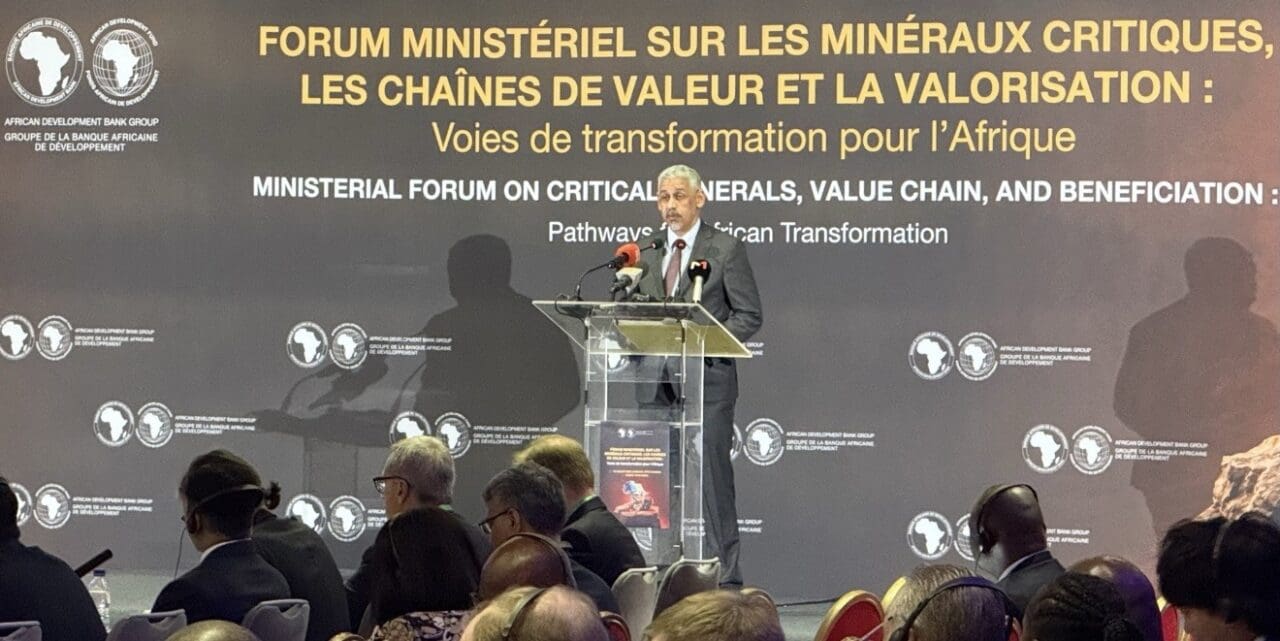
Ministers, investors and development partners from across Africa gathered in Abidjan this month to chart a new course for the continent’s critical minerals. The high-level talks focused on turning Africa’s vast underground wealth into engines for industrial growth, job creation and inclusive development. Key priorities included deepening local processing, securing fair financing and building regional supply chains to meet surging global demand.
Delegates from mineral-rich African nations joined representatives of the African Union Commission, the African Continental Free Trade Area secretariat, the UN Economic Commission for Africa, regional development banks, financial institutions and international investors for the ministerial forum.
Abidjan summit launches new African mining compact
The conference aimed to reshape how Africa manages its strategic mineral resources, ensuring these assets deliver lasting benefits to local communities. Discussions highlighted the need for fairer partnerships, stronger institutions and smarter investment to accelerate value addition on the continent.
A paradigm shift for Africa’s natural wealth
Opening the event, the President of the African Development Bank (AfDB), Sidi Ould Tah, called for a fundamental overhaul of how Africa’s natural resources are governed.
“This gathering is about shifting the narrative—replacing old extraction models with partnerships that empower African economies and populations,” he told delegates. “We must prioritize local refining and manufacturing to capture more of the value our minerals generate.”
The AfDB chief also urged reforming Africa’s fragmented development-finance architecture. “Africa hosts over 100 development-finance institutions, yet their combined balance sheets represent just 1% of global development-finance assets. Consolidation and recapitalization are long overdue.”
He emphasized that resilient infrastructure and homegrown industries are essential to maximizing returns from Africa’s mineral wealth.
Côte d’Ivoire bets big on its mineral future
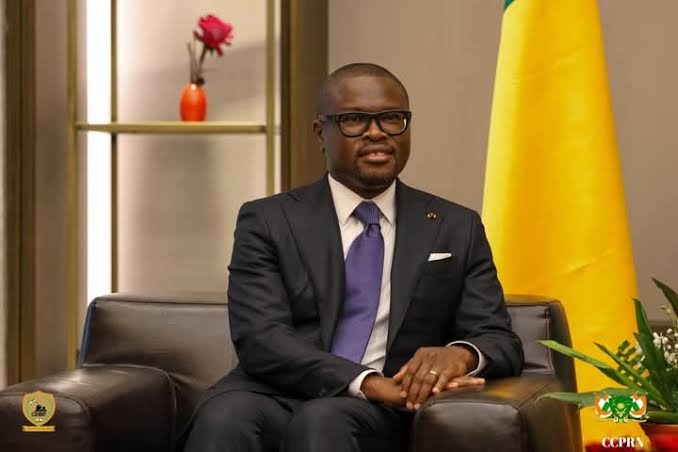
Ivorian Minister of Mines, Petroleum and Energy Mamadou Sangafowa-Coulibaly underscored the need for continental solidarity. “Transforming minerals into sustainable prosperity demands collaboration. No single country can go it alone—we must forge regional value chains that spread benefits widely.”
Highlighting Côte d’Ivoire’s untapped potential, he revealed that nearly three-quarters of the country’s landmass may hold critical minerals. This resource base is central to the government’s plan to elevate Côte d’Ivoire to upper-middle-income status by 2030.
The strategy, backed by a 38 trillion CFA franc investment plan (88% privately funded), outlines a 2026–2040 roadmap for integrated mineral and energy development aimed at unlocking new revenue streams and industrial opportunities.
Colossal reserves meet soaring global demand
Africa holds roughly 30% of the world’s critical minerals for the energy transition—including cobalt, lithium, graphite, rare earths, platinum-group metals, copper, manganese and nickel. The continent’s mineral wealth is valued at nearly $29.5 trillion, exceeding eight times its annual GDP and accounting for nearly one-fifth of global reserves. An estimated $8.6 trillion of these resources remain untapped.
Global demand is set to explode by 2040. Platinum-group metals needs could surge over 1,000%, lithium by 842% and copper by 88% compared to 2023 levels.
Seizing a once-in-a-generation opportunity
The transition to cleaner energy is reshaping global industry. The electric-vehicle and battery value chain alone could expand from $7 trillion in 2030 to $59 trillion by 2050. African leaders in Abidjan are determined to avoid repeating past mistakes of exporting raw materials. Their goal: harness critical minerals to drive industrialization, create jobs and build durable prosperity across the continent.