Benin and World Bank forge 10-year alliance to boost jobs and human capital
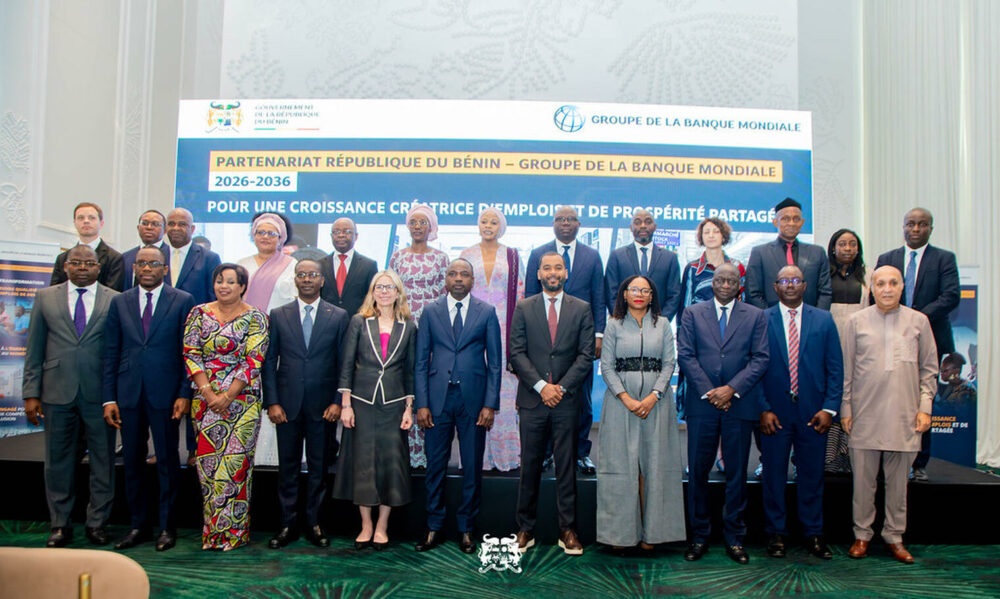
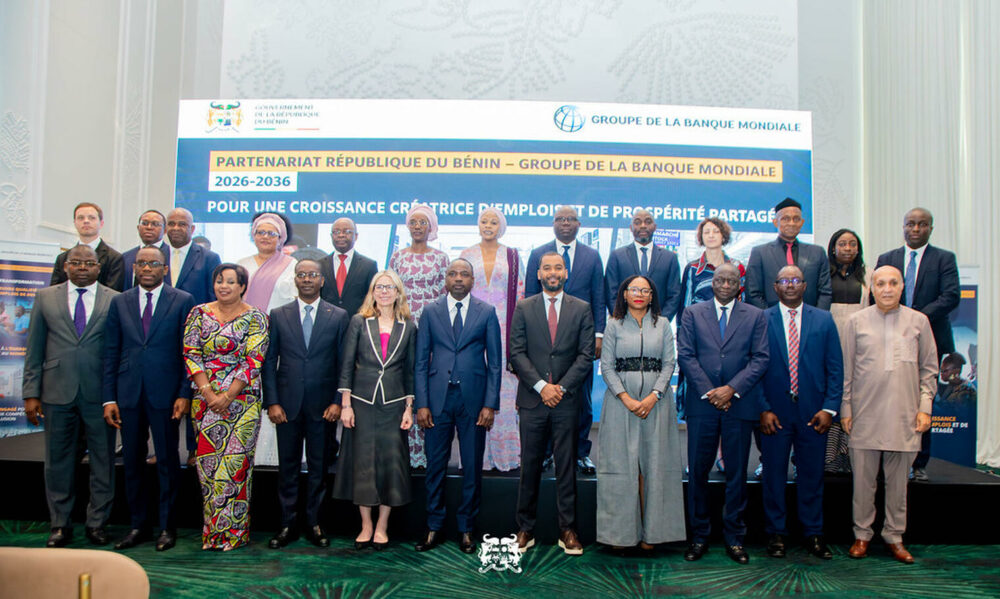
A landmark partnership between Benin and the World Bank took effect this month, marking the launch of a decade-long Country Partnership Framework (CPF) spanning 2026 to 2036. The initiative is designed to drive inclusive and sustainable economic growth across the West African nation.
The kickoff event in Cotonou drew high-level participation, including Benin’s government officials, international diplomats, and development partners. The new CPF aligns with Benin’s national development priorities and introduces a three-pillar strategy to accelerate progress over the next ten years.
Three pillars to transform Benin’s future
- Human capital enhancement: Focused on improving nutrition, healthcare access, and workforce skills to build a healthier, more productive population.
- Critical infrastructure development: Expanding essential services and networks to support economic activity and connect communities.
- Private sector-driven growth: Catalyzing investment and entrepreneurship to create jobs and foster long-term economic resilience.
The framework also embeds a resilience and prevention program aimed at strengthening national stability and social cohesion across Benin.
Global and local leaders unite behind shared goals
Anna Bjerde, World Bank Managing Director of Operations, praised Benin’s leadership for championing the CPF at a pivotal moment. She highlighted the country’s forward-looking strategy, *Alafia Benin 2060*, as a blueprint for turning ambition into measurable outcomes—especially for youth and local entrepreneurs.
“Investing in people and productive infrastructure is vital to achieving sustainable, job-creating growth,” Bjerde noted, reaffirming the World Bank’s commitment to supporting Benin’s efforts to enhance competitiveness and improve living standards nationwide.
Benin’s Minister of Economy, Finance, and Cooperation, Aristide Medenou, echoed this vision, emphasizing that the CPF complements national priorities in agriculture, private sector expansion, and youth employment. He described the partnership as a catalyst for faster socio-economic transformation, greater resilience, and brighter prospects for future generations.